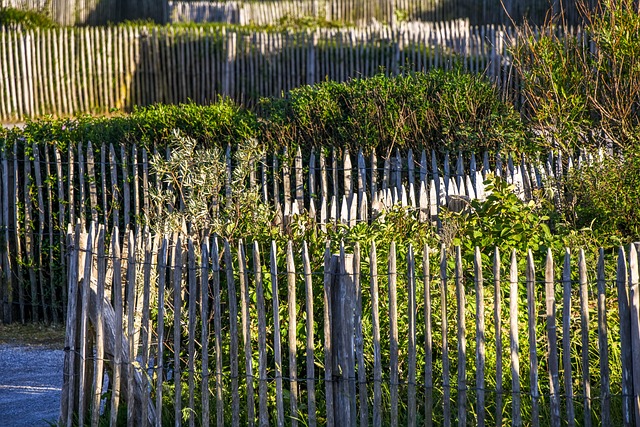
Introducing Fence Staining and Sealing for Lasting Protection
Wooden fences are not just structural elements; they define your outdoor space, enhancing curb appeal and privacy. Proper staining and sealing, however, are crucial to maintaining their aesthetic allure and structural integrity. This article delves into the essential process of fence staining and sealing, guiding you through understanding the benefits and types available, preparing your fence, selecting the right products, and mastering application techniques for long-lasting results.
- Understanding Fence Staining: Benefits and Types
- Preparing Your Wooden Fence for Staining and Sealing
- Choosing the Right Stain and Sealer for Optimal Protection
- Application Techniques for Long-Lasting Results
Understanding Fence Staining: Benefits and Types
Fence staining is an excellent way to enhance the appearance and protect your wooden fences. It involves applying a colour or finish to the wood, which offers both aesthetic and functional advantages. By understanding the benefits and different types of fence staining, you can make an informed decision to transform your outdoor space.
One of the key benefits is longevity. Staining forms a protective barrier against elements like sunlight, rain, and humidity, which can fade and deteriorate wooden fences over time. It also fills in cracks and knots, giving the wood an even finish. Various types of stains are available, from semi-transparent to solid colours, each providing different levels of protection and visual appeal. Semi-transparent stains allow some wood grain to show through, while solid colours offer complete coverage and can be tailored to match any desired shade.
Preparing Your Wooden Fence for Staining and Sealing
Before applying stain or sealer, preparing your wooden fence is a crucial step to ensure optimal results. Start by thoroughly cleaning the fence to remove any dirt, dust, mildew, or mold. This can be done using a pressure washer or a soft-bristled brush and a mild detergent solution. Ensure the wood is dry before proceeding.
Inspect the fence for any damaged or rot areas, and repair these issues before staining. Fill any cracks or holes with a suitable wood filler, and sand the surface gently to create an even texture. This process helps the stain adhere better and prevents early peeling or flaking.
Choosing the Right Stain and Sealer for Optimal Protection
When it comes to protecting your wooden fence, selecting the appropriate stain and sealer is key. Different stains offer various levels of shade and transparency, so choose one that matches your desired aesthetic while still providing protection. Water-based stains are a popular choice as they are environmentally friendly and easy to clean up. They also penetrate the wood, enhancing its natural beauty and offering moderate to high durability.
For ultimate protection against elements like UV rays, rain, and mold growth, opt for a sealer alongside your stain. Sealers form a protective barrier on top of the wood, shielding it from moisture and UV damage. This is particularly important if your fence is exposed to harsh weather conditions or if you want to prolong its lifespan. Always consider factors like climate, sun exposure, and traffic when making your selection for optimal results.
Application Techniques for Long-Lasting Results
For long-lasting fence staining and sealing, the application technique is key. Start by cleaning the wooden fence to remove any dirt, dust, or mildew. This step ensures that the stain adheres properly. Use a pressure washer or a mild detergent and brush to achieve a clean surface.
After cleaning, prepare your workspace and protect nearby plants and surfaces from stains. Apply the sealant or stain using a roller, brush, or sprayer, ensuring even coverage. For intricate designs or hard-to-reach areas, use a small paintbrush. Allow each coat to dry completely before applying the next, typically following manufacturer instructions for drying times. This meticulous approach guarantees a professional finish and protects your fence from the elements for an extended period.