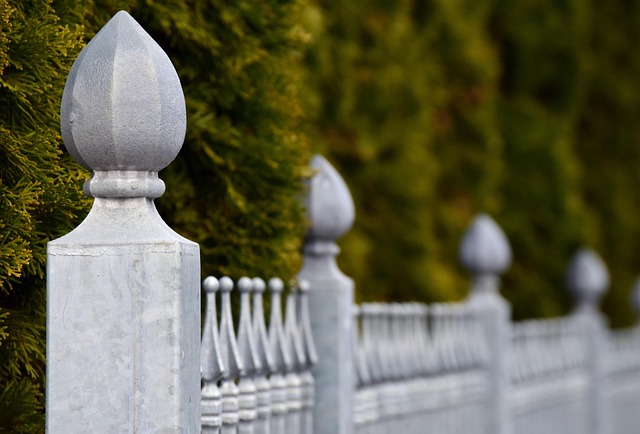
Fences serve both functional and aesthetic purposes in our outdoor spaces. To maintain their beauty and longevity, proper staining and sealing are essential. This article guides you through the process, from understanding the benefits of fence staining to choosing the right products, applying them effectively, and ensuring long-lasting protection through sealing. Additionally, maintenance tips will help keep your wooden fence looking fresh and vibrant for years to come.
- Understanding Fence Staining: Benefits and Techniques
- Choosing the Right Stain: Color, Type & Application
- Sealing for Protection: Why It's Essential Step
- Maintenance Tips: Keeping Your Fence Looking New
Understanding Fence Staining: Benefits and Techniques
Fence staining is a popular method to enhance the aesthetics and durability of wooden fences. By applying a coat of stain, you can transform your fence from ordinary to extraordinary. The process offers numerous benefits, such as protecting the wood from fading, cracking, and rot, while also adding a vibrant color that complements your outdoor space.
There are various techniques to choose from when staining a fence. One common approach is brush-on staining, which allows for precise control over coverage and color intensity. For larger areas or more even application, rollers or sprayers can be used. Another technique involves using semi-transparent sealers that penetrate the wood, providing protection without altering its natural look. Proper preparation is key; cleaning the fence to remove dirt and mildew, sanding for a smooth finish, and sealing gaps are essential steps for long-lasting results.
Choosing the Right Stain: Color, Type & Application
Choosing the right stain is a crucial step in fence staining and sealing. First, consider the color you desire, ranging from natural wood tones to vibrant shades, each offering a unique aesthetic appeal. The type of stain is also essential; oil-based stains penetrate deep into the wood, providing excellent protection but requiring more maintenance, while water-based stains are easier to clean and dry faster, though they offer less penetration.
During application, it’s vital to follow the manufacturer’s instructions carefully. Typically, this involves cleaning the fence beforehand, stirring the stain thoroughly, and applying it evenly using a brush, roller, or sprayer. Testing a small area first can help ensure the desired color result and allow you to adjust accordingly.
Sealing for Protection: Why It's Essential Step
Sealing a wooden fence is an essential step beyond simple staining, offering a crucial layer of protection against the elements. Over time, wood is susceptible to water damage, UV radiation from the sun, and extreme temperature fluctuations, all of which can weaken the material and lead to rot, warping, or cracking. A high-quality sealant creates a protective barrier, preventing moisture and UV rays from penetrating the wood’s surface. This barrier slows down the aging process, ensuring your fence remains sturdy and aesthetically pleasing for years to come.
By sealing your wooden fence, you’re investing in its longevity and maintaining its initial beauty. This simple yet vital step will save you time and money in the long run by reducing the need for frequent repairs or replacements. It’s a smart way to protect your property and ensure your fence remains a striking feature of your outdoor space.
Maintenance Tips: Keeping Your Fence Looking New
Regular maintenance is key to keeping your wooden fence looking new and vibrant. Start by cleaning the fence at least once a year, removing any dirt, mold, or mildew with a pressure washer or mild detergent solution. This step ensures that your stain adheres properly and provides an even finish.
After cleaning, inspect the wood for any damaged or rotten sections. Repair or replace these areas promptly to prevent further deterioration. Finally, reapply a fresh coat of stain every 2-3 years, depending on exposure to weather conditions. Using a high-quality semi-transparent or solid color stain will provide protection against fading and UV damage while enhancing the natural beauty of your wood fence.