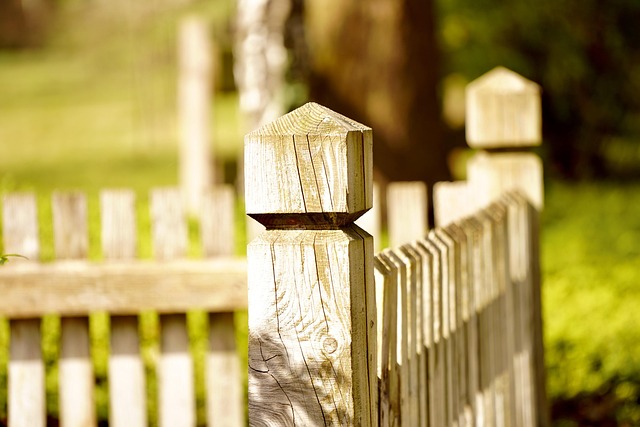
Fences serve as more than mere boundaries; they enhance outdoor spaces and contribute to a home’s aesthetic appeal. Fence staining and sealing are essential processes for preserving wood’s natural beauty while offering protection against elements that can cause deterioration. This article guides you through understanding the benefits of staining, preparing your wooden fence, choosing the right stain, applying it effectively, and sealing for long-lasting protection. Learn these steps to ensure your fence remains a stunning addition to your landscape.
- Understanding Fence Staining: Benefits and Types
- Preparing Your Wood Fence for Staining
- Choosing the Right Stain: Color and Formula
- Applying the Stain: Techniques and Tools
- Sealing for Protection: The Final Step
- Maintenance Tips for Longevity and Beauty
Understanding Fence Staining: Benefits and Types
Fence staining is not just about enhancing aesthetics; it offers numerous practical benefits too. By applying a protective layer, stains shield wood from the elements, preventing rot, mold, and mildew growth. This, in turn, increases the fence’s lifespan, saving you money on repairs or replacements. Moreover, regular sealing can make maintenance easier, as cleaning becomes simpler with a stained surface.
There are various types of fence staining solutions available, each designed to cater to different needs. Water-based stains are popular for their low odor and quick drying time. They provide a subtle color enhancement while remaining safe for both pets and plants. On the other hand, oil-based stains penetrate deeper into the wood, offering superior protection against UV rays but taking longer to dry. Choosing the right type depends on your climate, the level of sun exposure, and personal preferences for color intensity.
Preparing Your Wood Fence for Staining
Before applying any stain or sealer, preparing your wooden fence is crucial. Start by cleaning the fence thoroughly to remove any dirt, dust, or debris. Use a pressure washer or a bristled brush to ensure a deep clean. This step is essential as it allows the stain to adhere better and creates an even finish.
Next, repair any damaged areas of the wood. Fill in cracks, splits, or rot with a suitable wood filler. Sand the fence gently to create a smooth surface, removing any rough patches. Ensure all repairs are complete and the wood is dry before proceeding to the staining process. Proper preparation guarantees a high-quality finish that will protect and enhance your wooden fence for years to come.
Choosing the Right Stain: Color and Formula
Choosing the right stain is an essential step in fence staining and sealing. Consider the desired color as your first point of reference, whether it’s a natural wood tone or something more bold and vibrant. Different stains offer various color options, so selecting one that aligns with your aesthetic vision is crucial.
In addition to color, pay close attention to the stain’s formula. Water-based stains are popular for their low odor and easy cleanup, making them ideal for areas with high foot traffic or sensitive environments. Oil-based stains, on the other hand, offer superior durability and a richer finish but may require more time for cleaning up. Assess your needs, environmental factors, and upkeep preferences to make an informed decision that ensures long-lasting protection for your wooden fence.
Applying the Stain: Techniques and Tools
Applying stain to your wooden fence involves careful consideration of techniques and tools. Start by cleaning the fence surface thoroughly to ensure the stain adheres properly. Use a pressure washer or a brush with mild detergent to remove dirt, dust, and loose debris. Once the fence is dry, choose your preferred application method – a brush, roller, or sprayer. For detailed work and better control, a brush is ideal for corners and intricate designs. A roller covers larger areas quickly, leaving an even finish. Sprays offer precision and are great for long, straight runs but require protective gear.
Load your chosen applicator with the appropriate wood stain, following the manufacturer’s instructions on dilution. Apply the stain in even strokes, working from the top down to prevent drips onto previously stained areas. For a consistent finish, overlap each stroke by 50%. Allow the stain to dry according to the product’s guidelines before adding a sealer for enhanced protection and longevity of the vibrant color.
Sealing for Protection: The Final Step
Sealing is the final step in fence staining and an essential process to ensure the longevity of your wooden fence. It acts as a protective barrier, shielding the wood from the elements, UV rays, and moisture that can cause fading, cracking, and eventual rot. A good seal not only improves the aesthetic appeal but also strengthens the fence structure.
Choosing the right sealant is key. Look for products designed specifically for outdoor use and wooden fences. Water-based sealants are popular due to their low odor and environmental friendliness, while oil-based options offer superior durability and protection against stains. Applying a fresh coat of sealant every one to two years will keep your fence looking its best and protect it from the wear and tear of daily exposure.
Maintenance Tips for Longevity and Beauty
Regular maintenance is key to keeping your wooden fence looking its best and ensuring its longevity. A simple cleaning routine can go a long way in protecting the finish and preventing premature fading or peeling. Use a soft brush or sponge to gently remove any dirt, debris, or mildew buildup on the fence’s surface. Avoid using harsh chemicals as they may damage the wood. Instead, opt for a mild detergent or vinegar-water solution. After cleaning, allow the fence to dry completely before proceeding to the next step.
Sealing your wooden fence at least once a year is essential to shield it from environmental elements. Choose a high-quality sealant designed specifically for outdoor use and suitable for wood. Apply the sealant evenly across all surfaces of the fence using a brush or roller. This protective layer will create a barrier against water, UV rays, and other harsh conditions, preserving the color and grain of the wood while maintaining its beauty over time.