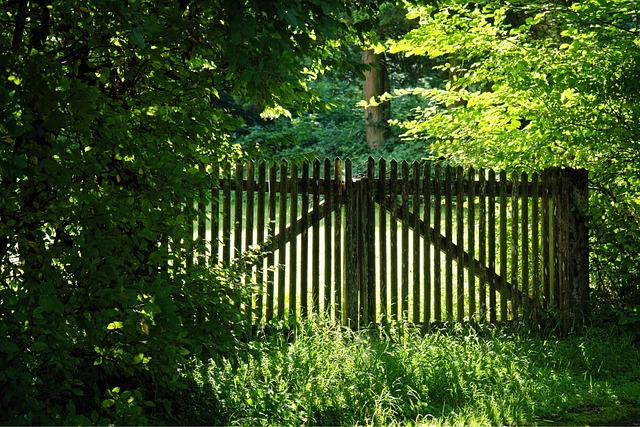
Coastal areas present unique challenges for fencing due to harsh weather conditions and salt air. This article explores durable wooden fencing as a strong and aesthetically pleasing solution for these environments. We’ll delve into the specific advantages of this material, guide you through selecting the ideal wood species, and provide essential maintenance tips to ensure longevity. By the end, you’ll be equipped to make informed decisions for your coastal fencing needs.
- Understanding Coastal Fencing Challenges
- Advantages of Durable Wooden Fencing
- Choosing the Right Wood Species
- Maintenance and Longevity Tips
Understanding Coastal Fencing Challenges
Coastal areas present unique challenges when it comes to fencing due to their harsh environments. Strong winds, salty air, and frequent rainfall can take a toll on traditional fence materials, leading to frequent replacements and increased maintenance costs. Additionally, coastal landscapes often feature uneven terrain, making installation more complex.
The salt content in the air is particularly damaging to many synthetic and even some wooden fence options. This element accelerates material deterioration, compromising structural integrity over time. Durable wooden fencing for these areas needs to be not only weather-resistant but also able to withstand the corrosive effects of saltwater.
Advantages of Durable Wooden Fencing
Durable wooden fencing offers an array of benefits for coastal areas, where traditional materials might struggle to withstand harsh weather conditions. Firstly, wood is a natural and aesthetically pleasing option that seamlessly blends with the surrounding landscape. It provides a warm and inviting atmosphere, enhancing the overall curb appeal of any property. Moreover, compared to metal or vinyl alternatives, wooden fences are more flexible in terms of design and customization, allowing homeowners and architects to create unique and personalized barriers.
One of the most significant advantages is their longevity. Properly treated and maintained wooden fences can withstand salt spray, strong winds, and other coastal challenges for several years, making them a cost-effective and sustainable choice. Additionally, wood has excellent insulation properties, helping regulate temperatures and reducing energy costs associated with cooling or heating nearby structures.
Choosing the Right Wood Species
When selecting wood for coastal fencing, understanding the local climate is key. Salty air, high humidity, and regular exposure to moisture can significantly impact a wood’s longevity. Opting for rot-resistant species like cedar, redwood, or treated pine is an excellent starting point. These woods possess natural oils that repel water and inhibit mold and fungal growth.
Additionally, considering the fence’s aesthetic and functional requirements will narrow down your choices. For example, if visual appeal is a priority, you might choose fine-grained woods like oak or maple. Conversely, if strength and durability are paramount for securing the fence against harsh weather conditions, denser woods such as teak or ipe could be ideal.
Maintenance and Longevity Tips
To ensure your wooden fencing stands the test of time in a coastal environment, proper maintenance is key. Regular cleaning with a mild detergent and soft brush will help remove salt buildup and other marine deposits that can weaken the wood over time. Avoid using harsh chemicals or power washers, as these can damage the fence’s finish and structure.
Staining your fencing every one to two years with a water-based, UV-resistant stain is recommended to protect against fading, cracking, and rot. Seal any gaps or cracks promptly to prevent moisture intrusion. Additionally, checking for loose nails or screws and tightening them regularly will maintain the fence’s stability and structural integrity. With these simple steps, your durable wooden fencing can endure the coastal elements for many years to come.