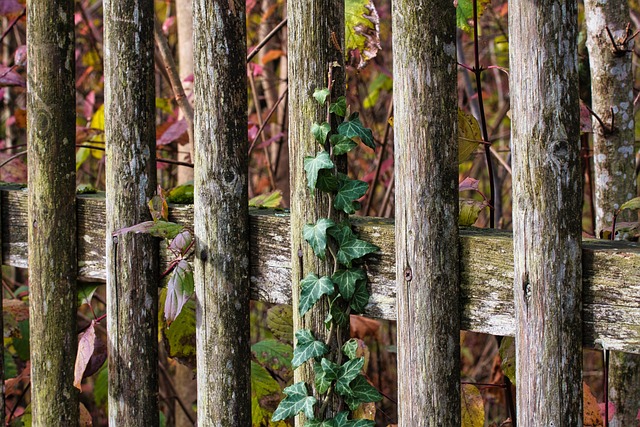
Fences serve not only as boundaries but also as a design element enhancing outdoor spaces. Fence staining and sealing are crucial steps to protect your wooden fences, preserving their beauty and longevity. This guide offers an in-depth look at understanding fence staining—its benefits and types—and choosing the perfect stain for your wood. We’ll walk you through preparing your fence, step-by-step staining instructions, and effective sealing techniques, ensuring your fence stands strong against elements.
- Understanding Fence Staining: Benefits and Types
- Choosing the Right Stain for Your Wood
- Preparing Your Wooden Fence for Staining
- Step-by-Step Guide to Fence Staining
- Sealing Techniques to Protect Your Fence Longevity
Understanding Fence Staining: Benefits and Types
Fence staining is not just about aesthetics; it’s a protective layer for your wooden fences. By blocking out ultraviolet rays from the sun, stain preserves the wood by preventing fading and cracking. It also fills in grain patterns and hides imperfections, giving your fence a uniform and attractive appearance.
There are several types of fence stains available, each offering unique benefits. Water-based stains are environmentally friendly, easy to apply, and quick-drying. Semi-transparent stains allow some light penetration, showcasing the wood’s natural beauty while providing protection. Solid or opaque stains offer maximum protection by blocking light entirely, concealing the wood’s appearance and enduring longer.
Choosing the Right Stain for Your Wood
Choosing the right stain for your wooden fence is an essential step in ensuring a long-lasting, attractive finish. Consider the type of wood you have and its natural color. Some stains enhance the wood’s natural tones, while others transform it into a completely new shade. For example, if you have redwood or cedar, an oil-based stain can highlight their warm undertones.
Additionally, think about the level of protection you need. Water-based stains are often easier to apply and emit fewer odors but might not offer the same degree of resistance against fading from UV exposure as oil-based options. Solid color stains provide complete coverage, hiding any imperfections in the wood grain, while transparent or semi-transparent stains allow the natural beauty of the wood to show through while still offering some protection.
Preparing Your Wooden Fence for Staining
Before applying any stain or sealer to your wooden fence, proper preparation is key. Start by thoroughly cleaning the fence to remove any dirt, dust, mildew, or loose debris. You can use a pressure washer for this step, ensuring it’s set on a low setting to avoid damaging the wood. Once clean, inspect the fence for any repairs needed; fill in cracks and holes with a suitable filler, and sand any rough spots smooth.
Next, ensure the wood is dry completely. You can speed up the drying process by using a hairdryer on its lowest setting or simply allow it to air dry for several days, depending on weather conditions. Lastly, consider sanding the fence lightly with fine-grit sandpaper to create a rough surface that will help the stain adhere better.
Step-by-Step Guide to Fence Staining
Staining your wooden fence is a great way to enhance its beauty and protect it from the elements. Here’s a straightforward, step-by-step guide to help you achieve professional results. Begin by preparing the fence surface. This involves cleaning the fence thoroughly to remove any dirt, dust, or debris using a pressure washer or brush. Allow the fence to dry completely before proceeding.
Next, apply a coat of primer designed for exterior use. This step is crucial as it prepares the wood, improving the stain’s adhesion and longevity. Allow the primer to dry according to the manufacturer’s instructions. Once the primer is dry, select your desired stain color and apply an even coat using a brush or roller. Ensure you work in small sections to maintain control over the application. Let the stain dry, then add another coat if needed for the desired shade. Finally, seal the fence with a high-quality water-based sealer to protect it from UV rays, rain, and other environmental factors.