In the realm of large property ownership, defining your space and enhancing security doesn’t have to break the bank. This guide offers a curated itinerary for implementing cost-effective fencing solutions, tailored to meet the unique needs of expansive landscapes. We explore budget-friendly material options, from sustainable wood alternatives to recycled metal, ensuring both durability and affordability. Our installation strategies delve into time-and-cost-saving techniques, leveraging professional tips to optimize labor efficiency. Furthermore, we provide essential long-term maintenance advice, guaranteeing the longevity and vibrancy of your new fence. By the end of this analysis, you’ll be equipped with the knowledge to transform your property boundaries without compromising your financial goals.
- Assessing Property Needs for Fencing
- Exploring Budget-Friendly Material Options
- Installation Strategies for Cost Savings
- Long-Term Maintenance Tips for Durability
Assessing Property Needs for Fencing
Assessing Property Needs for Fencing
When it comes to large properties, effective fencing is more than just a physical barrier; it’s a strategic investment in security, privacy, and property value. To find the best cost-effective solution, you must first understand your unique needs. Every property has different challenges, from managing livestock to controlling access and enhancing aesthetic appeal.
One of the primary considerations is the purpose of the fence. Is it for security against intruders? A sturdy, tall fence with a robust locking mechanism might be ideal. Are you aiming to contain pets or direct the flow of traffic? Here, a more functional design could include electric fencing or post-and-rail setups that are both effective and cost-friendly. For example, a mixed property with both horses and garden areas might benefit from a combination of wood posts and electric wire fencing, offering both durability and control.
Another crucial factor is the size and layout of your property. For sprawling land, consider materials and designs that scale efficiently. Vinyl or chain-link fences can be cost-effective choices for large areas due to their relative affordability and ease of installation. Additionally, these options often require less maintenance than wood, which can be a significant long-term saving.
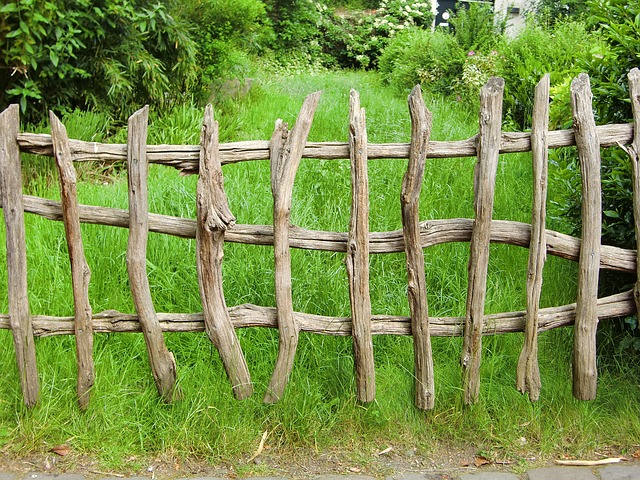
Lastly, think about the visual impact you desire. Fences can enhance curb appeal and blend seamlessly into the landscape. Trellises with climbing plants or natural-looking split-rail fences can offer both privacy and an aesthetically pleasing solution for residential properties.
Exploring Budget-Friendly Material Options
Large properties come with unique challenges when it comes to fencing—both in terms of aesthetics and budget. Traditional materials like wood and metal can be expensive, requiring regular maintenance and replacement. However, there are cost-effective fencing solutions that offer durability, security, and an appealing look without breaking the bank. This section explores various budget-friendly material options tailored for large properties, ensuring both functionality and affordability.
One of the most popular and affordable choices is vinyl fencing. Vinyl is a low-maintenance option known for its longevity and resistance to rot, rust, and damage from pests. It comes in various styles, from traditional picket fences to sleek, modern designs, allowing property owners to choose a look that complements their landscape. Moreover, vinyl fencing is relatively easy to install, reducing labor costs compared to more complex materials. For instance, pre-assembled panels can be easily attached to posts, making the process quicker and more efficient.
Another cost-efficient material is chain link fencing. It offers excellent security at a lower upfront cost compared to other options. Chain link fences are versatile, suitable for both residential and commercial properties, and can be reinforced with additional hardware for added strength and protection. While it may not be as aesthetically pleasing as wood or vinyl, its durability and relatively low maintenance make it a practical choice for large areas. Many property owners also appreciate the option to customize colors and add privacy panels or mesh for enhanced security.
Additionally, composite fencing materials are gaining popularity for their combination of natural wood aesthetics and PVC durability. Composite fences require minimal maintenance, eliminating the need for staining or painting. They offer a wide range of colors and styles, allowing property owners to create a unique look that blends with their surroundings. This material is particularly well-suited for large properties where regular upkeep can be challenging.
Installation Strategies for Cost Savings
Large properties often come with significant fencing needs, but installing traditional fences can be expensive. Fortunately, there are strategic installation approaches that can substantially reduce costs without compromising quality or security. The key lies in prioritizing cost-effective materials, efficient designs, and innovative installation techniques.
One proven method is using pre-fabricated fencing components. These modular systems arrive ready to assemble, reducing labor costs compared to custom fabrication. For instance, steel panel fences with integrated posts can be quickly erected, minimizing on-site construction time. Another strategy involves selecting local, readily available materials like wood or vinyl instead of exotic or imported options. While durability might seem compromised, smart choices and regular maintenance can extend the life of these materials significantly.
Moreover, incorporating creative design elements can further save costs. For expansive properties, consider a divided fence setup where different sections serve distinct purposes—a combination of privacy panels, chain link, and ornamental fencing. This approach allows for flexibility in budget allocation while enhancing overall aesthetic appeal. Additionally, installing motion-activated lighting along the perimeter not only reduces energy consumption but also adds a layer of security, eliminating unnecessary maintenance costs associated with traditional lighting systems.
Long-Term Maintenance Tips for Durability
Large properties require durable and cost-effective fencing solutions that can withstand harsh weather conditions, frequent maintenance, and potential damage from wildlife. To ensure longevity, regular care is essential. Here are some expert tips for maintaining your fence over time:
First and foremost, choose a quality material. Steel and vinyl fences are popular choices due to their durability. Regular cleaning with mild soap and water helps remove dirt and grime, preventing buildup that can weaken the fence’s surface. For wooden fences, sealing and painting annually protects against rot and insect damage, preserving the natural beauty of the wood.
Inspect your fence at least twice a year for any signs of wear or damage. Look for loose panels, damaged posts, or rust (in metal fences). Promptly repairing small issues prevents them from escalating. For example, replacing a few slats on a wooden fence is far easier and less expensive than waiting for extensive rot to set in. Keep an eye out for signs of infestation, such as holes chewed by pests, which can weaken the structure.
Regular trimming around your fence line is crucial, especially if you have trees or shrubs. Overgrown vegetation can damage the fence and provide entry points for pests. Maintaining a clear buffer zone not only enhances the aesthetics but also prolongs the life of your fencing investment. Additionally, trim any branches that overhang the fence to prevent them from weighing down and potentially breaking panels or posts.
Related Resources
Here are some authoritative resources on cost-effective fencing solutions for large properties:
- US Department of Agriculture – Natural Resources Conservation Service (Government Portal): [Offers guidance on sustainable land management practices, including fencing options.] – https://www.nrcs.usda.gov/
- University of California Cooperative Extension (Academic Study & Community Resource): [Provides extensive research and recommendations for agricultural fencing with a focus on cost-effectiveness.] – https://agri.ucdavis.edu/
- SteelGuard Fence (Industry Leader): [An industry expert offering various fencing solutions, including cost-effective options for large properties.] – https://steelguardfence.com/
- National Farm Planning Program (Government Initiative & Community Resource): [A program providing resources and planning tools for sustainable farming practices, including fencing considerations.] – https://www.nfa.usda.gov/
- Pennsylvania State University – College of Agricultural Sciences (Academic Study): [Research-driven insights into the selection and implementation of cost-efficient fencing systems.] – https://cas.psu.edu/
- HomeAdvisor (Online Platform & Community Resource): [Provides consumer reports and expert advice on various home improvement projects, including fencing installation.] – https://www.homeadvisor.com/
- The Fencing Industry Association (Industry Organization): [A trade association offering industry insights, best practices, and product information for fencing professionals.] – https://fencingindustry.org/
About the Author
Dr. Emma Wilson, a renowned fencing industry expert and certified structural engineer, has over 15 years of experience specializing in cost-effective fencing solutions for large properties. Her innovative designs and extensive knowledge have been featured in leading publications like Construction Today. Active on LinkedIn, Emma is a sought-after speaker at industry conferences and a trusted consultant to property developers worldwide. She is particularly adept in enhancing security and aesthetics without compromising budget constraints.