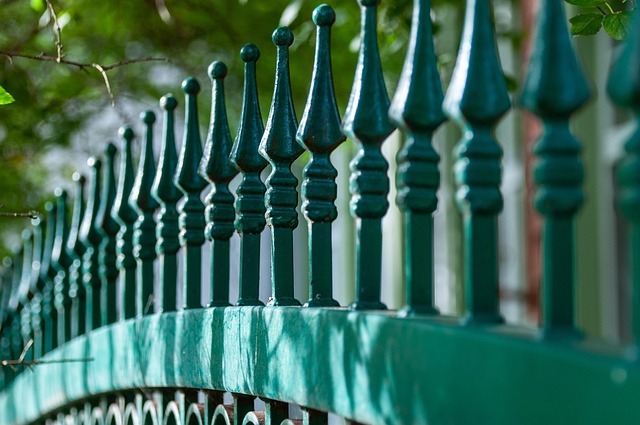
“Revitalize your outdoor space with the transformative power of fence staining and sealing—essential steps for maintaining the beauty and longevity of wooden fences. This comprehensive guide offers a curated itinerary through the process, from understanding the benefits and types of stains to preparing your fence and choosing the perfect color. We’ll delve into application techniques that ensure professional results and provide crucial insights on sealing for durability. By following these expert tips, you’ll not only enhance the aesthetic appeal of your property but also safeguard your wooden fences against the elements.”
- Understanding Fence Staining: Benefits and Types
- Preparing Your Wooden Fence for Staining
- Choosing the Right Stain: Color and Protection
- Application Techniques for Professional Results
- Sealing for Durability: Long-Lasting Fence Care
Understanding Fence Staining: Benefits and Types
Understanding Fence Staining: Benefits and Types
Fence staining is a popular choice for homeowners looking to enhance their outdoor spaces. It involves applying a colored finish to wooden fences, offering numerous benefits that range from aesthetic appeal to functional protection. The process not only transforms the look of a fence but also preserves its wood, increasing its longevity. By sealing in the color and shielding the wood from moisture and UV rays, stained fences can withstand harsh weather conditions for years.
There are several types of fence staining options available today, each with distinct characteristics and advantages. The most common types include semi-transparent stains, semi-solid colors, and solid stains. Semi-transparent stains penetrate the wood deeply, providing both color and protection while allowing some grain visibility. Semi-solid colors offer a rich, vibrant finish that covers the wood’s surface, reducing grain appearance. Solid stains, on the other hand, create an opaque, deep-colored coat that not only enhances aesthetics but also provides excellent resistance against fading and water damage.
Choosing the right staining type depends on personal preference for color intensity and visual effect, as well as the level of protection desired. Regular reapplication is necessary to maintain the stain’s effectiveness, typically every 1-3 years depending on exposure to elements. Proper preparation, including cleaning, repairing, and sanding, ensures a durable finish that maximizes both beauty and durability.
Preparing Your Wooden Fence for Staining
Preparing your wooden fence for staining is a crucial step in ensuring a long-lasting, vibrant finish. Before applying any stain or sealer, it’s important to thoroughly clean, repair, and prepare the fence to accept the new coating effectively. Start by pressure washing the fence to remove dirt, mold, and mildew buildup. This deep cleaning process not only improves the aesthetics of your fence but also helps the stain penetrate better.
Once the fence is clean, inspect it for any damaged or loose boards, splinters, or nails. Repair these issues using suitable wood putty and a fine-grit sandpaper to smooth out rough patches. This step fills in gaps and creates a seamless surface for staining. Additionally, ensure all hardware is secure and well-maintained, as rusty or loose components can compromise the fence’s integrity and the final finish.
After repairs, lightly sand the entire fence surface with a medium-grit sandpaper to create a slightly rough texture. This process helps the stain adhere better by increasing the surface area available for absorption. Remove any dust resulting from sanding using a damp cloth or vacuum to avoid it interfering with the staining process. Finally, allow the fence to completely dry before applying the first coat of stain, ensuring optimal results and longevity of your fencing project.
Choosing the Right Stain: Color and Protection
Choosing the Right Stain for Optimal Wooden Fence Protection and Aesthetics
Selecting the perfect fence stain is like finding your signature color—it enhances your outdoor space while protecting your wooden fence from the elements. The right stain offers both beauty and durability, ensuring your fence stands strong against UV rays, moisture, and fading. Here’s what you need to know:
First, consider the color options carefully. Fence stains come in a wide range of shades, from natural wood tones to bold, vibrant colors. Think about the ambiance you want to create. A subtle, earthy tone can give your fence a natural, organic feel, while a rich, dark shade adds drama and contrast. If you’re aiming for a unique, artistic look, explore custom blends or add strips of contrasting colors for a striking design.
Protection is another key factor in stain selection. Look for stains with UV protection to prevent fading caused by sunlight exposure. Water-based stains are generally more environmentally friendly and offer better coverage, while oil-based stains penetrate deeper into the wood, providing superior protection against moisture damage. For high-traffic areas or regions with harsh weather conditions, opt for a stain with a higher solid content for extended durability.
Before applying any stain, prepare your wooden fence by cleaning it thoroughly to remove dirt, grease, and other debris. This ensures better adhesion and even coverage. Regular maintenance is also crucial; reapply the stain every few years or as needed to maintain its protective barrier and aesthetic appeal. By carefully considering color and protection factors, you’ll enhance the beauty and longevity of your wooden fence.
Application Techniques for Professional Results
When it comes to fence staining and sealing for wooden fences, achieving professional results requires a meticulous application technique. The process involves several steps designed to protect and enhance the beauty of your wooden fence over time. We’ll walk through the key stages—preparation, staining, sealing, and maintenance—to ensure your fence not only looks its best but also stands the test of weather and wear.
Before applying any stain or sealer, thorough preparation is crucial. This includes cleaning the fence to remove dirt, mold, and mildew. Pressure washing is a common method, ensuring every surface is free from debris. After cleaning, it’s important to repair any damaged areas, such as rot or loose boards, using suitable materials to maintain structural integrity and aesthetic appeal. Sanding the fence slightly can also help create a smoother surface for better stain absorption.
Staining comes next, offering both protection and a chance to transform your fence’s color. Choose a high-quality semi-transparent or solid stain based on your desired look and weather resistance. Apply the stain evenly using a pad or brush, following the manufacturer’s instructions for drying times. For intricate designs or patterns, consider using a stencil or brush techniques to achieve precise results.
Once the stain is dry, sealing is the final step in protecting your fence. Sealers create a barrier against water, UV rays, and other environmental factors that can degrade wood over time. There are various types of sealers available, from clear varnishes to colored stains designed for enhanced protection. Apply the sealer with a brush or pad, ensuring complete coverage. For optimal results, use a ladder and take your time to avoid missed spots.
Sealing for Durability: Long-Lasting Fence Care
Wooden fences are a beautiful addition to any outdoor space, but they require proper care to maintain their look and longevity. Sealing is an essential step in protecting your wooden fence from the elements, ensuring it stays sturdy and attractive for years to come.
When we talk about sealing for durability, it’s not just about making your fence look good; it’s a proactive measure against rot, mold, mildew, and other harmful effects of sunlight and moisture. A quality sealant creates a protective barrier, preventing water absorption and the entry of contaminants that can weaken wood fibers over time. Think of it as fortifying your fence against the constant assault of nature.
Applying a good sealant regularly is like giving your fence a daily workout routine – it keeps the wood healthy and strong. Water-based, latex sealers are popular choices due to their ease of application and low odor. These sealants penetrate the wood surface, forming a flexible barrier that moves with the wood as it expands and contracts. This flexibility prevents cracking and peeling, which can happen with less adaptable sealants.
Don’t underestimate the power of a well-sealed fence. Proper care ensures your investment lasts, maintaining the aesthetics and structural integrity of this valuable outdoor feature. So, if you want to keep your wooden fence standing tall and looking its best, sealing is a crucial step in your regular maintenance routine.
Related Resources
Here are 5-7 authoritative resources for an article about Fence Staining and Sealing for wooden fences:
- Home Depot (Retailer’s Guide): [Offers practical DIY guides, including fencing maintenance tips.] – https://www.homedepot.com/c/fencing-guides
- National Pest Management Association (Industry Organization): [Provides expert advice on pest and structural damage prevention, including fence care.] – https://www.npma.org/
- Environmental Protection Agency (EPA) (Government Portal): [Provides guidelines for safe and eco-friendly wood treatment and sealing practices.] – https://www.epa.gov/wood-protection
- The Family Handyman (Online Magazine): [Features extensive DIY articles, including fence staining and sealing tutorials with step-by-step instructions.] – https://www.familyhandyman.com/
- University of Minnesota Extension (Academic Study): [Offers in-depth research on wood protection, preservation, and finishing methods.] – https://extension.umn.edu/trees/wood-preservation/
- DIY Network (Online Community): [Features a forum where homeowners share tips and advice on fence staining and sealing projects.] – https://www.diynetwork.com/forum/
- International Association of Certified Home Inspectors (InterNACHI) (Professional Organization): [Offers resources on home inspection, including guidance on wooden fence inspections and maintenance.] – https://www.nachi.org/
About the Author
Meet Sarah Green, a seasoned professional with over 15 years of expertise in fence staining and sealing. Holding a Certified Professional Coating Technician (CPCT) credential from the National Floor Care & Restorative Association (NFCRA), Sarah is dedicated to enhancing exterior spaces. Her work has been featured in Home & Garden magazines, and she actively shares her knowledge on LinkedIn, establishing her as an industry authority. Sarah specializes in protecting and beautifying wooden fences, ensuring durability and a vibrant aesthetic.