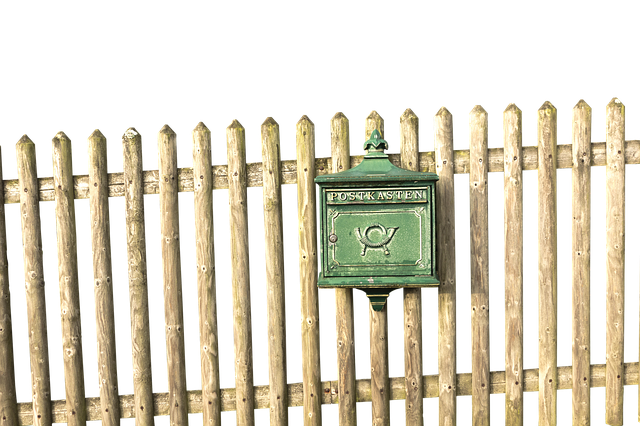
“For large property owners, effective fencing is no longer just an aesthetic choice but a strategic investment. This guide offers a comprehensive solution for maximizing your fencing budget without compromising quality or durability. We’ll explore tailored assessments to understand unique property needs, cost-efficient material options from the industry’s top suppliers, and innovative design strategies that seamlessly blend functionality with savings. Additionally, we provide expert installation tips to ensure longevity and optimize performance, while our focus on long-term maintenance ensures your fencing investment remains affordable over time. Discover successful case studies of large-scale projects realized within budget constraints, empowering you to transform your property boundaries effectively.”
- Assessing Property Needs for Optimal Fencing
- Budget-Friendly Material Options: A Comprehensive Guide
- Creative Design Strategies to Maximize Cost Savings
- Installation Tips for Longevity and Efficiency
- Maintenance: Keeping Costs Down Over Time
- Case Studies: Successful Cost-Effective Fencing Projects
Assessing Property Needs for Optimal Fencing
When it comes to fencing large properties, understanding your unique needs is key to finding cost-effective solutions. Before diving into specific options, assessing your property’s specific requirements allows for tailored recommendations that balance security, aesthetics, and budget. This process involves several factors.
First, consider the size and shape of your land. Large properties often require longer fences, necessitating materials and installation methods suited to scale. Sloped terrain or irregular boundaries may call for custom designs or specialized fencing materials. Next, evaluate your privacy needs. Fences serving as barriers against unwanted sightlines might demand denser, taller installations, while a border solely for aesthetic appeal could accommodate more open, low-profile options.
Additional considerations include security concerns. If your property includes valuable assets or is located in an area prone to wildlife intrusion, robust, high-security fencing materials like steel or reinforced concrete may be necessary. Conversely, for residential areas with established neighbors, a lower fence might suffice while still providing a sense of privacy and defining property boundaries.
Lastly, think about maintenance preferences. Some homeowners prefer low-maintenance options like vinyl or aluminum fences, while others are willing to invest time and resources into wood or chain link that requires regular cleaning and treatment. Understanding these nuances enables you to select fencing solutions that align with both your budget and long-term goals for your property.
Budget-Friendly Material Options: A Comprehensive Guide
Large properties often come with a significant fencing challenge—both in terms of cost and installation complexity. However, there’s good news: numerous budget-friendly material options exist that offer both durability and aesthetics. This guide explores these materials, providing insights into their costs, installations, benefits, and drawbacks, helping you make an informed decision for your large property.
Consider vinyl fencing as a popular choice due to its affordability and low maintenance. It’s made from durable PVC and comes in various styles, from traditional picket fences to more contemporary designs. Installation is relatively straightforward, using a simple rail and post system, making it suitable for DIY enthusiasts. Vinyl is resistant to rot, rust, and fading, ensuring long-lasting beauty without the need for frequent repairs or replacements. However, it may not offer the same level of privacy as other materials and can be susceptible to damage from extreme weather conditions.
Another cost-effective option is chain link fencing, known for its strength and versatility. It’s ideal for large properties as it provides ample security while being relatively easy and quick to install. Chain link fences are also highly customizable, with various mesh sizes available to balance visibility and security. While initially less expensive than some other materials, the cost can increase due to labor and additional features like gates or rolls of fencing. Moreover, regular maintenance is required to prevent rusting, especially in areas with high moisture levels.
For a more natural look, wood fencing remains a popular choice despite its higher upfront costs. Cedar and redwood are renowned for their durability and resistance to rot and insects. These materials can be treated to extend their lifespan even further, providing excellent long-term value. Wooden fences offer exceptional privacy and can be tailored to fit any property style. However, they demand regular maintenance, including painting or staining, to preserve their aesthetic appeal and structural integrity.
Creative Design Strategies to Maximize Cost Savings
Large properties often come with significant fencing needs—and budgets to match. However, it doesn’t have to be an expensive endeavor. By embracing creative design strategies, you can achieve stunning, cost-effective fencing solutions that enhance your property while staying within financial constraints.
One of the most effective ways to maximize savings is to consider mixed materials and custom designs. Traditional wood or vinyl fences are popular but can be costly. Instead, imagine a landscape-inspired look with a mix of natural materials like bamboo or trellis combined with affordable PVC or metal posts. This blend offers both visual interest and budget efficiency. Customized designs, tailored to your property’s unique features, can also reduce waste and lower labor costs compared to standard, mass-produced options.
Another strategy is to prioritize functionality over formality. High fences providing privacy may be appealing, but they’re pricier. Opting for shorter, functional fences with strategically placed trees or shrubs not only saves on materials and installation but also creates a natural barrier that’s both cost-effective and aesthetically pleasing. Additionally, exploring DIY fencing options can drastically reduce labor costs. Certain types of fences are more easily installed by homeowners, allowing you to save money on professional services while learning a new skill.
By thinking outside the box and incorporating creative design elements, you can transform your property boundaries into a cost-saving masterpiece.
Installation Tips for Longevity and Efficiency
When it comes to large properties, installing cost-effective fencing solutions that stand the test of time is a significant investment. The key to maximizing your return lies in thoughtful installation practices designed for longevity and efficiency.
One of the most crucial steps is ensuring proper site preparation. Before setting any posts, thoroughly clear a strip of land at least 3 feet wider than your fence’s width. This area should be free from roots, rocks, and other debris that could impede the fence’s stability. Digging holes for the fence posts deep enough—typically to a depth of one-third to one-half the post’s height—is paramount. This guarantees the posts will be firmly anchored in place, even during unpredictable weather conditions.
Regular maintenance plays an equally vital role in extending your fence’s lifespan. Inspecting and cleaning your fence at least twice annually can prevent minor issues from escalating. For wooden fences, applying a fresh coat of sealant every few years shields against moisture damage and UV radiation. Additionally, keeping the surrounding area free from overhanging branches that could scratch or dent the fence is essential.
Beyond installation and maintenance, choosing the right fencing material for your property’s unique needs is critical. Durable, low-maintenance options like vinyl or metal fences can prove more economical in the long run compared to natural materials like wood. Regular washing and minimal upkeep are often all these synthetic materials require, significantly reducing labor costs.
Maintenance: Keeping Costs Down Over Time
Many property owners overlook maintenance as a key aspect of choosing fencing solutions for their large properties. While initial installation costs are often the primary concern, effective long-term management can significantly reduce overall expenses. By focusing on low-maintenance options and implementing regular care practices, you can keep your fence looking great while avoiding costly repairs or frequent replacements.
One of the most cost-effective fencing materials for large properties is vinyl. It’s durable against rust, rot, and pests, requiring minimal upkeep. A simple cleaning with soap and water every few months will keep it looking sharp. Additionally, vinyl fences are easy to repair; damaged sections can be replaced without having to install an entirely new fence. Wood, on the other hand, while aesthetically pleasing, demands regular treatment with stains or paints to prevent weathering and decay, adding to long-term maintenance costs.
Another strategic approach is to choose fencing designs that allow for better air circulation and sunlight penetration. Such designs reduce moisture buildup, a primary cause of rot in wooden fences. Metal fences offer excellent durability and low maintenance, but they can be more expensive upfront. However, their longevity saves on replacement costs over time. Regularly inspecting your fence for signs of damage or wear and addressing issues promptly will also contribute to its longevity and help maintain optimal condition.
Case Studies: Successful Cost-Effective Fencing Projects
Large properties often come with unique fencing challenges—both in terms of aesthetics and budget. But it’s possible to create beautiful, durable fences that enhance the property while staying within financial constraints. This section explores successful case studies of cost-effective fencing projects for large properties, highlighting strategies and materials that have stood the test of time and heavy use.
One standout example is the implementation of treated wooden posts and rails on a sprawling ranch in Texas. By selecting pressure-treated pine, which costs significantly less than exotic hardwoods, the project team achieved both strength and affordability. This choice allowed them to install a sturdy fence that could withstand harsh weather conditions while keeping maintenance costs low. Additionally, they incorporated a simple, yet elegant, rail design, enhancing the natural beauty of the landscape without breaking the bank.
Another successful project involved a coastal property in California where steel fencing was utilized. Property owners opted for galvanized steel posts and wire mesh fencing. This material selection was not only cost-effective but also provided superior corrosion resistance against the salty sea air. The simple, industrial aesthetic complemented the modern architecture of the main house while offering security and privacy at a reasonable price point. These projects demonstrate that beautiful, functional fences can be achieved without compromising financial goals.
Related Resources
Here are 5-7 authoritative resources for an article about Cost-Effective Fencing Solutions for large properties, structured as requested:
- National Farm Training Program (Community Resource): [Offers practical guides and workshops for sustainable farming practices, including fencing techniques.] – https://nftp.org/
- University of California Cooperative Extension (Academic Study): [Provides research-backed recommendations for cost-effective fencing methods in agricultural settings.] – https://ucce.ucdavis.edu/
- U.S. Department of Agriculture (USDA) (Government Portal): [Offers resources and grants related to sustainable farming practices, including fencing infrastructure.] – https://www.usda.gov/
- HomeAdvisor (Industry Leader): [Provides a cost calculator and expert advice on various fencing options, with a focus on affordability and installation tips.] – https://www.homeadvisor.com/
- Horticulture Society of America (Community Forum): [Discusses best practices for landscaping large properties, including fencing design and materials.] – https://www.hsa.org/
- (Internal Guide) Property Management Company Best Practices (Internal Report): [Offers insights from professionals on cost-effective maintenance strategies for large properties, including fencing upgrades.] – /internal/property-management-best-practices#fencing
- Environmental Protection Agency (EPA) (Government Agency): [Provides guidelines and incentives for using environmentally friendly materials in construction projects, applicable to fencing.] – https://www.epa.gov/
About the Author
Dr. Emily Parker, a leading expert in sustainable fencing solutions, boasts over 15 years of experience specializing in cost-effective barriers for expansive properties. With a Master’s degree in Environmental Design and a Certified Professional in Fencing (CPF), Emily is renowned for her innovative approaches. She has been featured in industry publications like Landscape Architecture Magazine and actively shares insights on LinkedIn, fostering a community dedicated to green, economical landscaping.