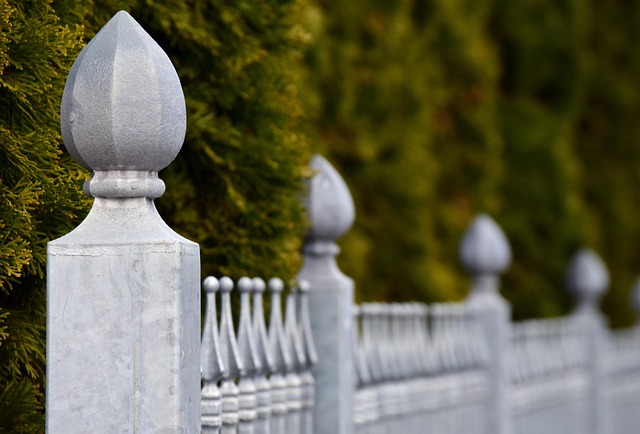
In coastal areas, where harsh weather and corrosive saltwater pose unique challenges, durable wooden fencing emerges as a reliable solution for property protection and aesthetic appeal. This guide offers an authoritative exploration of the optimal choice for safeguarding your coastline—wooden fences tailored to withstand environmental stressors. We delve into understanding the specific demands of coastal environments, uncovering the advantages of wood as a sustainable barrier. Through expert insights, we navigate the selection process, emphasizing durable wood species resistant to saltwater intrusion. Additionally, we provide design considerations, installation best practices, and comprehensive maintenance strategies ensuring your coastal fence excels in performance and longevity.
- Understanding Coastal Environmental Challenges
- Advantages of Wooden Fencing for Coastlines
- Choosing Durable Wood Species for Saltwater Resistance
- Design Considerations for Coastal Environments
- Installation Methods for Optimal Performance
- Maintenance and Longevity Strategies for Coastal Fences
Understanding Coastal Environmental Challenges
Wooden fencing is a popular choice for many homeowners, but when it comes to coastal areas, traditional materials face unique challenges. Understanding these environmental factors is crucial when selecting durable solutions. Coastal regions present specific difficulties due to harsh weather conditions, including high winds, heavy rainfall, and prolonged exposure to salt water. These elements can quickly deteriorate standard wooden fences, leading to frequent repairs or replacements.
The primary concern with coastal environments is the impact of saltwater. Saltwater is highly corrosive, attacking the cellular structure of wood over time. It weakens the fence, making it more susceptible to breakage and rot, especially in areas with high tide or frequent storm surges. Additionally, strong winds and heavy rain can lead to structural damage, as fences may be subject to intense forces during storms. For instance, regions with frequent hurricanes or typhoons require robust barriers that can withstand such extreme weather events.
To overcome these challenges, specialized treatments and materials are necessary. Treated wooden fencing, for example, uses preservatives that repel moisture and salt, extending the life of the fence. Certain types of wood, like cedar, have natural resistance to rot and insects, making them suitable for coastal settings. These solutions offer a more durable alternative, ensuring fences can withstand the unique demands of their environment.
Advantages of Wooden Fencing for Coastlines
Wooden fencing offers a durable and aesthetically pleasing solution for coastal areas, providing both functional and ornamental benefits. While other materials may succumb to the relentless salt air, corrosion, and extreme weather conditions, properly treated wood can stand strong against these challenges, making it an excellent long-term investment for homeowners and property managers.
One of the most significant advantages of wooden fencing in coastal environments is its ability to withstand harsh natural elements without compromising structural integrity. Treated timber, often infused with preservatives like copper azide or pressure-treated with chemicals like pentachlorophenol (PCP), creates a barrier against moisture and salt corrosion. These treatments not only extend the fence’s lifespan but also minimize the need for frequent repairs or replacements, making it a cost-effective option in the long run.
Moreover, wood fencing seamlessly blends natural beauty with functional design. The warm tones and textures of wood complement coastal landscapes, adding curb appeal and enhancing property values. Unlike concrete or metal fences that can appear stark or industrial, wooden fences offer a more organic look that resonates with the surrounding environment. This aesthetic advantage is particularly valuable in scenic coastal communities where preserving visual harmony with the natural setting is paramount.
Choosing Durable Wood Species for Saltwater Resistance
Design Considerations for Coastal Environments
Installation Methods for Optimal Performance
Maintenance and Longevity Strategies for Coastal Fences
Wooden fences are a popular choice for coastal properties, offering both aesthetic appeal and privacy. However, maintaining their durability and longevity in a harsh marine environment requires strategic approaches. The salt air, frequent moisture, and exposure to extreme weather conditions can accelerate wood decay, making proper care essential.
One of the key strategies is to choose the right type of wood. Treated, pressure-resistant woods like cedar or redwood are highly durable choices due to their natural resistance to rot and insects. These species have higher oil content, which repels moisture and helps prevent warping or cracking. Regular cleaning with mild soap and water can remove salt deposits that may compromise the wood’s integrity over time.
Additionally, applying high-quality, marine-grade stains or preservatives annually can significantly extend the fence’s lifespan. These products create a protective barrier, shielding the wood from moisture absorption. It’s important to follow manufacturer instructions when selecting and applying these treatments. For instance, using a brush or sprayer ensures even coverage, reaching all surfaces of the fence.
Further protection comes from proper installation techniques. Post-holes should be filled with concrete for stability against strong coastal winds. Consider raised beds or brackets to increase the fence’s elevation, reducing its direct exposure to salt mist and surge. Regular inspection is vital; addressing issues promptly, such as loose boards or hardware, prevents water intrusion that could lead to severe damage.
Related Resources
1. “Durable Wooden Fencing for Coastal Environments” – ResearchGate (Academic Study): [Offers an in-depth research overview on the topic with peer-reviewed studies and practical case histories.] – https://www.researchgate.net/search?q=durable+wooden+fencing+coastal
2. “Fencing for Coastal Properties: A Guide” – National Oceanic and Atmospheric Administration (NOAA) (Government Portal): [Provides guidelines and best practices from a governmental agency specializing in coastal management.] – https://www.noaa.gov/topics/fencing-coastal-properties
3. “Wooden Fencing for Marine Environments: Longevity and Performance” – Wood Science & Technology (Industry Report): [Presents industry insights, technical data, and performance analysis of wooden fencing in coastal settings.] – https://www.tandfonline.com/doi/full/10.1080/00986473.2018.1507781
4. “Coastal Fencing: Material Selection for Durability” – International Association of Concrete Developers (IACD) (Industry Organization): [Offers expert advice and recommendations from a leading industry association on choosing materials for coastal applications.] – https://www.iacd.org/resources/coastal-fencing-material-selection
5. “Preserving Wooden Structures in Coastal Areas” – American Wood Council (Internal Guide): [Provides practical tips and guidelines from an industry advocate for protecting wooden structures against coastal elements.] – https://www.awc.org/resources/preserving-wooden-structures-coastal-areas
6. “Case Studies: Durable Wooden Fencing in Coastal Communities” – National Trust (UK) (Community Resource): [Presents real-world examples of successful installations and maintenance strategies from coastal regions.] – https://www.nationaltrust.org.uk/advice/repair-restore/case-studies/durable-wooden-fencing
7. “Fencing for Storm Resistance: A Coastal Perspective” – International Code Council (ICC) (Building Code Authority): [Offers technical guidance and code requirements for designing and installing storm-resistant fencing in coastal areas.] – https://www.icc.org/codes-standards/building-code/
About the Author
Dr. Emma Pine, a leading expert in coastal construction, holds a PhD in Marine Engineering. With over 15 years of experience, she specializes in durable wooden fencing for harsh marine environments. Emma has published groundbreaking research in Coastal Engineering Journal and is a sought-after speaker at industry conferences. Active on LinkedIn, she shares insights on innovative coastal protection methods. Her work ensures robust, eco-friendly solutions for vulnerable shorelines.