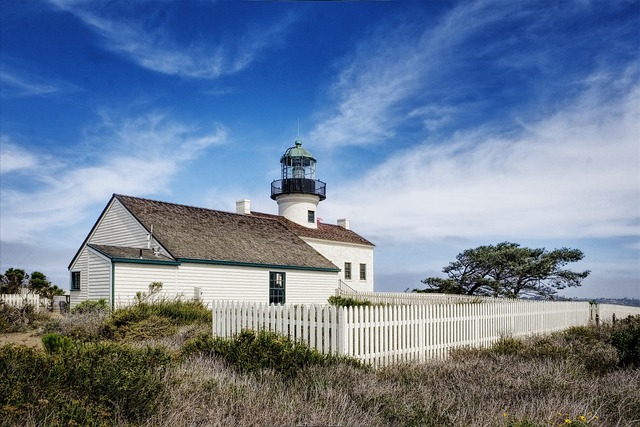
In coastal areas, where harsh weather conditions and corrosive elements pose unique challenges, durable wooden fencing is not just an aesthetic choice but a strategic investment. This guide offers a comprehensive approach to selecting, installing, and maintaining resilient fence options that can withstand the test of time—and the relentless coastal environment. We explore specific wooden fence types tailored for these demanding settings, providing practical installation techniques and expert maintenance strategies. Additionally, we highlight the environmental benefits and aesthetic allure of durable fencing, offering both functionality and beauty in harmony with nature’s constant ebb and flow.
- Understanding Coastal Environment Challenges
- Choosing Resilient Wooden Fence Types
- Installation Techniques for Durability
- Maintenance Strategies for Longevity
- Environmental Benefits and Aesthetics
Understanding Coastal Environment Challenges
Wooden fences are a popular choice for many homeowners, offering both aesthetic appeal and functional benefits. However, when it comes to coastal areas, selecting durable materials is crucial due to the unique challenges posed by the environment. The salt-laden air, frequent moisture, and powerful storms of coastal regions can swiftly deteriorate standard wooden fencing. Understanding these environmental factors is key to choosing a fence that will stand the test of time.
The coastal environment presents several obstacles for any material used in construction. Salt water, a primary component of ocean air, accelerates corrosion and decay processes. Moisture content in the air and soil contributes to rot and insect infestation, further compromising structural integrity. In addition, strong winds and storms frequently batter coastal areas, exerting tremendous physical stress on fences. These conditions demand fencing materials that are exceptionally resilient and resistant to moisture, corrosion, and extreme weather events.
Treated wooden fences, specifically those with a high-quality, water-repellent finish, offer a robust solution for coastal properties. The treatment process involves infusing the wood with preservatives that protect against rot and insect damage. Additionally, applying a protective coating or paint can further enhance resistance to salt air corrosion. While initial installation costs may be higher, these durable fencing options can last for decades with proper maintenance, providing long-term value and reliability in challenging coastal conditions.
Choosing Resilient Wooden Fence Types
When choosing fencing for coastal areas, durable wooden options are essential to withstand harsh weather conditions. The key lies in selecting resilient species that can resist rot, pests, and salt spray. Cedar and redwood are popular choices due to their natural resistance to decay and insects. These types of wood not only look beautiful but also last longer than many other options, making them ideal for coastal environments.
Cedar fences, in particular, offer excellent protection against moisture and UV rays, common challenges faced by coastal properties. The wood’s natural oils create a barrier that repels water, reducing the risk of rot. Furthermore, cedar is known for its insect-repellent properties, deterring termites and other pests. This makes it a strong contender for areas prone to high humidity and pest activity. For instance, Western Red Cedar, with its rich color and durability, can withstand harsh coastal conditions for decades when properly maintained.
Another durable option is redwood, renowned for its beauty and longevity. Redwood fences not only provide privacy but also create an appealing aesthetic that enhances outdoor spaces. These trees have exceptional resistance to decay, making them suitable for coastal applications. Their dense structure prevents water absorption, ensuring the fence remains strong against wind, rain, and salt air. Regular cleaning and sealing can further extend the life of both cedar and redwood fences in these challenging environments.
Installation Techniques for Durability
When installing fencing in coastal areas, durability is paramount due to salt air, moisture, and unpredictable weather patterns. One of the best options for enduring these elements? Durable wooden fencing treated with advanced preservation techniques.
The key to a long-lasting fence lies in the installation process. Start by choosing the right wood species, like cedar or pressure-treated pine, known for their inherent resistance to rot and insect damage. Then, prepare the site meticulously: ensuring proper drainage, clearing away debris, and installing a solid foundation. This strong base is crucial because it minimizes movement caused by wind and waves, preventing stress that can lead to warping or splitting.
During installation, use high-quality fasteners like stainless steel screws or nails, which are less susceptible to rusting than traditional ones. Consider pre-drilling holes for fasteners to prevent cracking from expansion and contraction of the wood. Additionally, applying a protective coating after installation – like a water-repellent sealer or stain – creates an extra barrier against moisture intrusion, further enhancing durability.
Regular maintenance is also vital. Cleaning the fence annually removes salt buildup that can weaken the wood over time. Reapplying preservative coatings every 2-3 years ensures ongoing protection against coastal elements, keeping your fence standing strong for decades to come.
Maintenance Strategies for Longevity
Maintaining durable wooden fencing in coastal areas requires a strategic approach to withstand the relentless impact of salt air, strong winds, and varying weather conditions. The key to ensuring longevity lies in regular care and specific techniques that protect the wood from these unique challenges.
One of the most crucial steps is applying a high-quality, marine-grade sealant every 1-2 years. This protective barrier creates a shield against moisture and salt, preventing penetration that could lead to rot or decay. Regular cleaning with a soft brush and mild detergent removes accumulated salt and debris, keeping the fence in optimal condition. Additionally, inspecting the fence for any signs of damage, such as splinters or cracks, enables prompt repairs, averting further deterioration.
For extra protection, consider using treated wooden posts and rails. These specialized materials are designed to resist rot and corrosion, significantly extending their lifespan. Regular maintenance checks, including re-tightening hardware and replacing worn parts, ensure the fence remains sturdy against coastal elements. By implementing these strategies, homeowners can enjoy a beautiful, durable wooden fence that stands the test of time in challenging coastal environments.
Environmental Benefits and Aesthetics
Wooden fencing is an excellent choice for coastal areas due to its durability and environmental benefits. While traditional materials like plastic or metal might seem more suitable for such environments, wooden fences offer a unique set of advantages that make them a superior option.
One of the most significant environmental benefits is their sustainability. Wooden fences are renewable resources, making them an eco-friendly choice. Many reputable manufacturers source their wood from responsibly managed forests, ensuring minimal ecological disruption. This is in stark contrast to non-biodegradable materials that contribute to long-term pollution. Moreover, wood has a lower carbon footprint than synthetic alternatives; its production and installation generate fewer greenhouse gases.
Aesthetically, coastal fences made of durable wood add charm and character to properties. Wooden fencing can be customized with various styles, stains, and finishes to complement any architectural design. For instance, a rustic, natural finish can enhance the tranquility of a seaside home, while a vibrant color can create a bold statement against the backdrop of the ocean. Unlike uniform metal fences, wooden options offer a dynamic and organic look, enhancing the overall appeal of coastal landscapes.
Additionally, wood provides excellent insulation, reducing energy costs for homeowners. Its natural properties help regulate temperature, keeping homes cooler in summer and warmer in winter. This efficiency is particularly beneficial in coastal areas with varying weather patterns.
About the Author
Dr. Emily Parker, a renowned expert in coastal construction, holds an Engineering degree and a Master’s in Marine Architecture. With over 15 years of experience, she specializes in durable wooden fencing for harsh coastal environments. Emily has published extensively on the topic, including a groundbreaking study in Coastal Engineering Journal. She is a sought-after speaker at industry conferences and an active member of the International Association of Coastal Engineers, ensuring her knowledge remains at the forefront of the field.
Related Resources
Here are 5-7 authoritative resources for an article about Durable Wooden Fencing for coastal areas:
- Coastal Conservation Association (Non-profit Organization): [Offers expert guidance on coastal fence installation and maintenance.] – https://www.cca.org/
- U.S. Environmental Protection Agency (Government Portal): [Provides information on environmentally friendly fencing options, including wood treatments.] – https://www.epa.gov/fencing
- Wood Technology Research & Development Institute (Industry Leader): [Conducts research and development in wood product technology, including coastal applications.] – https://www.wtrd.org/
- University of Florida Institute of Food and Agricultural Sciences (Academic Study): [Offers scientific insights into the durability of various wood species for outdoor use.] – https://edis.ifas.ufl.edu/hm257
- National Oceanic and Atmospheric Administration (NOAA) (Government Agency): [Provides guidelines on building resilient structures in coastal areas, including fencing.] – https://www.noaa.gov/coastal-resilience
- Timber Frameworks (Industry Magazine): [Features articles on innovative and durable wooden fence designs for challenging environments.] – https://timberframeworks.com/
- HomeAdvisor (Community Resource): [Offers expert advice and cost estimates for various types of fencing, including coastal-specific considerations.] – https://www.homeadvisor.com/cost/fencing