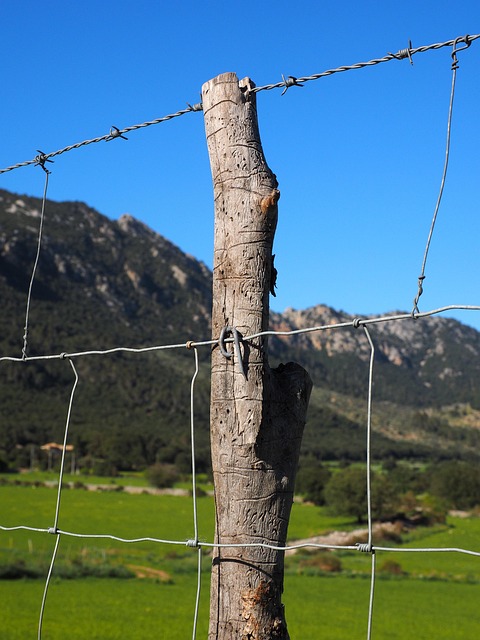
“The exterior of your home sets the first impression, and your wooden fence plays a pivotal role in this presentation. Fence staining and sealing is not just about aesthetics; it’s a crucial process that protects your wood, enhances its beauty, and increases your property’s value. This guide offers an authoritative approach to understanding fence staining—from deciphering benefits and choosing the right stain for your unique wood type to mastering application techniques and selecting the best sealers. We’ll also delve into preparation, maintenance tips, and why these steps are essential for ensuring your fence looks exquisite and lasts for years to come.”
- Understanding Fence Staining: Benefits and Types
- Choosing the Right Stain: Color, Finish, and Wood Type
- Preparation is Key: Cleaning and Repairing Your Fence
- Applying the Stain: Techniques and Tools for Even Coverage
- Sealing for Protection: Best Practices and Products
- Maintenance and Longevity: Regular Care for Your Stained Fence
Understanding Fence Staining: Benefits and Types
Understanding Fence Staining: Benefits and Types
Fence staining and sealing are essential maintenance practices for wooden fences, offering both aesthetic appeal and protection. By applying a fresh coat of stain or sealer, you safeguard your fence against environmental elements, prolonging its lifespan, and enhancing its beauty. The primary benefit lies in preventing wood rot, fading, and cracking due to sun exposure, moisture, and extreme temperatures. Regular staining also seals in natural oils, preserving the wood’s texture and color.
There are two main types of fence staining: semi-transparent and solid. Semi-transparent stains allow some light penetration, showcasing the wood grain while providing a degree of protection. These are ideal for maintaining the natural look of your fence while offering moderate weather resistance. Solid colors, on the other hand, create a complete barrier between the wood and the elements, hiding the grain and providing maximum protection against fading, mold, and mildew. While more expensive, solid stains offer longer-lasting results and are perfect for fences in high-traffic areas or harsh climates.
Choosing the right stain depends on factors like fence location, weather conditions, and desired aesthetic. Regular reapplication is crucial to maintain both functionality and visual appeal. Whether you opt for semi-transparent or solid, remember that proper preparation, including cleaning and sanding, ensures the best results and prolongs the life of your fence’s new coat.
Choosing the Right Stain: Color, Finish, and Wood Type
When it comes to enhancing your wooden fence with stain, choosing the right one is key. The perfect stain isn’t just about aesthetics; it must complement your fence’s natural beauty while protecting it from the elements. Let’s break down how to select the ideal color, finish, and consider the unique traits of your wood type.
First, let’s talk color. Fences can range from rich, deep hues like mahogany or oak to lighter, natural shades akin to cedar. The color you pick should align with both your personal style and the overall ambiance of your outdoor space. Consider the fence’s location—is it in full sun, partial shade, or a sheltered area? This will impact how colors fade over time. Additionally, darker stains may hide minor imperfections, while lighter shades can make wood graining more prominent, adding character.
Finish is another crucial factor. Stains come in various types: semi-transparent, semi-solid, and solid. Semi-transparent stains allow for some natural wood color to show through, offering subtle protection while preserving the fence’s breathability. Semi-solid and solid stains provide stronger color and better defense against water penetration, but they can reduce light transmission and may require more frequent reapplication. Choose a finish that balances aesthetics and durability based on your climate and how often you want to maintain your fence.
Lastly, don’t forget about the wood type. Different types of wood, such as cedar or pine, have distinct porosity levels which absorb stain differently. Pre-treating or sealing the wood before staining can help ensure even coverage. For example, a water-based stain might be ideal for cedar due to its natural resistance to moisture, while an oil-based stain could offer better protection for pine, despite being more prone to yellowing over time. Understanding your wood type and choosing a stain designed for it will extend the life of your fence.
Preparation is Key: Cleaning and Repairing Your Fence
Preparation is a crucial step in fence staining and sealing. Before you begin, it’s essential to clean and repair your wooden fence to ensure the best results. This process involves several key steps.
First, carefully inspect your fence for any signs of damage, such as broken boards or peeling paint. If needed, replace or repair damaged sections to create a solid foundation for staining. Next, thoroughly clean the fence using a pressure washer or a stiff brush and mild detergent. This removes dirt, mold, and mildew, allowing the stain to adhere better. After cleaning, check again for any remaining debris or loose particles and ensure the wood is dry to the touch.
For a long-lasting finish, fixing small issues like split boards, weatherproofing cracks, and sanding rough spots can make all the difference. These repairs not only enhance the visual appeal but also prevent further damage by blocking moisture from seeping into the wood. By taking the time to prepare your fence correctly, you’ll achieve better color penetration from the stain and a more durable seal, extending the life of your fencing.
Applying the Stain: Techniques and Tools for Even Coverage
Applying the Stain: Techniques and Tools for Even Coverage
Staining a wooden fence is an art that requires attention to detail and the right tools for uniform color and lasting protection. The process begins with selecting the appropriate stain, considering factors like wood type and desired finish. Once chosen, proper application techniques are key to achieving an even coat. This involves preparing the surface, using a brush or roller for application, and following up with a sealer to lock in the color and protect the wood.
For best results, start by cleaning the fence to remove dirt, dust, and mildew. This ensures the stain adheres smoothly. Next, use a brush for corners, crevices, and intricate designs, offering precise control. For larger areas, a paint roller is ideal, allowing for quick, even coverage. Load the roller with a liberal amount of stain, ensuring it’s evenly distributed. Apply the stain in long, even strokes, overlapping each pass slightly to avoid streaks.
After staining, let the finish dry completely. Then, apply a sealer to shield the wood from moisture and UV rays, enhancing durability and color longevity. Remember, multiple thin coats are better than one thick coat, promoting even absorption and a more consistent final look.
Sealing for Protection: Best Practices and Products
When it comes to protecting your wooden fence, sealing is a crucial step that often gets overlooked. While staining enhances the aesthetic appeal, sealing acts as a shield, guarding against the elements, UV rays, and moisture that can cause wood to rot, crack, and eventually fail.
The best sealers are designed to penetrate the wood’s surface, creating a barrier that repels water and blocks out harmful UV rays. This prevents the wood from drying out too quickly, which is when cracks often form. It also keeps mildew and mold from taking hold. When choosing a sealer, opt for products labeled as “water-based” or “acid-free.” These are gentler on the environment and less likely to cause damage to the wood over time.
Before sealing, it’s vital to prepare your wooden fence. This includes thoroughly cleaning it to remove dirt, dust, and any existing stains or finishes. Sanding the surface slightly can also help create a smoother, more even application. Always follow the manufacturer’s instructions for proper application, usually involving multiple thin coats rather than one thick layer.
Regular sealing every 1-3 years, depending on exposure to weather, will keep your wooden fence looking great and extend its lifespan significantly. Remember, a properly sealed fence isn’t just an investment in aesthetics; it’s a protective measure that safeguard the structural integrity of your property for years to come.
Maintenance and Longevity: Regular Care for Your Stained Fence
Maintaining a stained wooden fence is an essential part of ensuring its longevity and preserving its beautiful finish. Regular care will not only keep your fence looking its best but also protect it from the elements, decay, and discoloration. Here’s a breakdown of how to keep your stained fence in top condition.
The most crucial step in maintaining your fence is regular cleaning. Debris, dirt, and mildew can build up over time, dulling the stain and leading to faster degradation. At least twice a year, power wash your fence to remove any accumulated gunk. Use a soft-bristled brush to gently scrub areas with heavy buildup. After cleaning, reapply a fresh coat of sealer to protect the wood and maintain the vibrant color of the stain.
While sealing is important, it’s not enough to do it just once. To ensure maximum protection, seal your fence annually. Different climates and exposure to elements may require more frequent applications. Water-based seals are environmentally friendly and easy to apply, making them a popular choice among homeowners. Always follow the manufacturer’s instructions for proper application and drying times.
Inspecting your fence regularly is another key component of maintenance. Look for any signs of damage, rot, or peeling, especially in areas exposed to direct sunlight or heavy rainfall. Address these issues promptly to prevent further deterioration. Regular inspection also allows you to identify potential problems early on, making them easier and less expensive to fix.
Related Resources
Here are some authoritative resources for an article on fence staining and sealing:
- Home Depot (Retailer’s Guide): [Offers practical DIY guides, including detailed instructions on fencing maintenance.] – https://www.homedepot.com/c/fencing-installation-and-repair
- ExtenTech (Industry Expert Blog): [Features articles by industry experts on fence care and preservation techniques.] – https://www.exten-tech.com/fence-staining-guide
- Environmental Protection Agency (EPA) (Government Portal): [Provides information on environmentally safe painting and staining practices.] – https://www.epa.gov/pestice-safety/paint-stripping-and-reapplication
- The Family Handyman (Online Magazine): [Offers how-to articles and expert advice for home improvement projects, including fencing.] – https://www.familyhandyman.com/
- Deck Staining Experts (Specialized Website): [A resource with detailed guides on staining various types of wood, including fences.] – https://www.deckstainingenvironment.com/fencing-staining
- University of Minnesota Extension (Academic Resource): [Offers research-based information on wood preservation and protection methods.] – https://extension.umn.edu/resources/wood-preservation/
- National Association of Home Builders (NAHB) (Industry Organization): [Provides industry insights, standards, and best practices for home building and remodeling.] – https://www.nahb.org/
About the Author
Meet Sarah Thompson, a renowned wood protection specialist with over 15 years of experience in fence staining and sealing. Certified by the National Wood Conservation Association (NWCA), she is a trusted authority on preserving outdoor wooden structures. Her expertise lies in developing long-lasting solutions for various climates, as evidenced by her successful projects across North America. Sarah shares her insights through her popular blog, “The Fence Doctor’s Guide,” and is an active member of the International Association of Certified Professional Inspectors (IACPI).