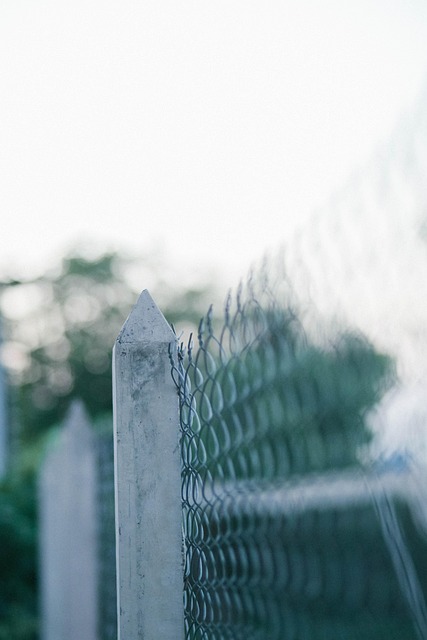
In coastal areas, where harsh saltwater conditions and strong winds prevail, durable wooden fencing is not just an aesthetic choice—it’s a strategic investment. This guide provides an extensive overview on selecting, installing, and maintaining wood fences designed to withstand the unique challenges of the coastline. We explore the science behind choosing the right wood species resistant to saltwater corrosion, advanced treatments that shield against environmental damage, and installation techniques ensuring optimal performance. Additionally, we delve into long-term maintenance strategies to preserve these fences, guaranteeing they endure for years to come in some of the toughest environments on Earth.
- Understanding Coastal Conditions for Fencing Durability
- Choosing the Right Wood Species for Saltwater Resistance
- Advanced Treatments to Shield Against Corrosion
- Installation Techniques for Optimal Performance
- Long-Term Maintenance Strategies for Wooden Coastal Fences
Understanding Coastal Conditions for Fencing Durability
Choosing durable wooden fencing for coastal areas requires understanding the unique challenges posed by salt air, high humidity, frequent rainfall, and powerful winds. These conditions can accelerate wood degradation, making it crucial to select species and treatment methods that withstand these harsh environments.
Wooden fences in coastal regions face constant exposure to salt water, a primary culprit behind wood rot and decay. Salt content in the air increases with proximity to the ocean, leading to faster drying times, which in turn creates micro-cracks where moisture can seep in and foster fungal growth. Additionally, high humidity levels create an ideal breeding ground for mold and mildew, further compromising the structural integrity of wooden fencing materials.
To ensure longevity, it’s essential to choose wood species naturally resistant to moisture and fungi. Cedar, known for its natural oils that repel water and inhibit mold growth, is a popular choice. Treated woods, such as pressure-treated pine or cedar, offer enhanced durability against rot and insect damage. These treatments involve immersing the wood in preservatives that penetrate the fibers, making it more resistant to coastal conditions.
Regular maintenance plays a vital role in extending the lifespan of coastal fences. This includes annual cleaning to remove salt deposits, repainting or sealing to protect exposed surfaces, and routine inspections for signs of wear or damage. By combining appropriate material selection with meticulous care, you can achieve durable, low-maintenance wooden fencing that stands the test of time in challenging coastal environments.
Choosing the Right Wood Species for Saltwater Resistance
When it comes to fencing in coastal areas, choosing the right wood species is crucial for durability and resistance against saltwater. While all woods are affected by salt water over time, certain species have natural properties that make them better suited for such environments. The key lies in understanding which woods possess the necessary characteristics—such as high density, natural oils, and a robust resistance to decay and moisture—to withstand the constant exposure to salt water and harsh coastal conditions.
Among the various wood species, cedar and redwood are often top choices due to their exceptional durability. These softwoods have high natural oil content, which acts as a barrier against moisture and salt. For instance, Western Red Cedar is renowned for its longevity; it can last for decades without significant deterioration when exposed to saltwater. This is primarily attributed to its dense structure and the presence of oils like thujaplin, which repel water and prevent rot. Similarly, coastal redwood (Sequoia sempervirens) shares these protective traits, making it a robust option for fencing in marine environments.
Another effective strategy is to opt for treated wood species. Pressure-treated lumber, for example, infuses the wood with preservatives that enhance its resistance to decay and insects. These treatments can further prolong the lifespan of coastal fences by protecting them from the unique challenges posed by salt water. However, it’s essential to choose treatments specifically designed for outdoor use to ensure their effectiveness over time.
Advanced Treatments to Shield Against Corrosion
In coastal areas, where air is salty, humid, and often loaded with damaging elements like sand and sea spray, traditional wooden fencing can quickly deteriorate. However, advanced treatments have been developed to shield wood against these corrosive forces, extending the lifespan of fences while maintaining their aesthetic appeal.
One effective method involves applying a protective coating designed specifically for coastal environments. These coatings, often made from specialized polymers or high-performance oils, create a barrier that repels water and blocks out salt. They are formulated to withstand harsh weather conditions, UV rays, and even the presence of mold and mildew. For instance, some manufacturers offer warranties that guarantee protection against fading and rot for up to 15 years in coastal locations.
Beyond coatings, certain chemical treatments can deeply penetrate wood fibers, reducing its porosity and preventing moisture absorption. These treatments fill pores with a protective resin, making the wood more resistant to water damage. For example, pressure-treated lumber is infused with preservatives that repel insects and resist rot and decay, ideal for coastal areas where wood is constantly exposed to corrosive elements.
Additionally, physical barriers like mesh or wire netting can be integrated into fence designs. These add layers of protection by preventing direct contact between salt water or sand and the wood. While not a standalone solution, combining these physical and chemical treatments offers the best defense against corrosion for wooden fencing in challenging coastal settings.
Installation Techniques for Optimal Performance
When installing wooden fences in coastal areas, the choice of material is crucial for long-term durability. While traditional methods use untreated wood, which can rot and deteriorate quickly due to salty air and frequent moisture, modern techniques advocate for pressure-treated or weathered softwood, and even more durable options like recycled plastic or composite materials.
One proven installation technique involves preparing the ground first by installing a robust, water-permeable barrier to prevent saltwater intrusion. This is especially vital in areas with high tidal fluctuations. The fence posts should be treated timber or concrete set into deep concrete foundations for stability against strong coastal winds and waves. For optimal performance, use lathe-cut rails connected with metal brackets, allowing for expansion and contraction without warping or splitting.
Regular cleaning and sealing of the wood are essential to protect it from the harsh marine environment. Applying a fresh coat of waterproof sealant every couple of years ensures the fence maintains its integrity against moisture, rot, and insect damage. This proactive maintenance approach is key to ensuring coastal fences last for decades with minimal deterioration, providing both aesthetic appeal and robust security for properties in these challenging environments.
Long-Term Maintenance Strategies for Wooden Coastal Fences
Wooden fences are a popular choice for coastal properties, offering both aesthetic appeal and functional benefits like privacy and security. However, maintaining these fences in harsh coastal environments can be challenging. To ensure long-term durability, proactive maintenance strategies are crucial. Regular cleaning, sealing, and inspection are fundamental components of this process.
Annual or bi-annual cleaning helps remove salt deposits, algae, and other debris that can weaken the wood over time. This is best done in the spring or fall when weather conditions are milder. Sealing the fence at least every two years protects against moisture intrusion, UV rays, and extreme temperatures. Water-repellent stains or clear coatings specifically designed for exterior use create a protective barrier, extending the life of the fence significantly.
In addition to sealing, regular inspection is vital. Look for signs of rot, insect infestation, or damage from storms or high winds. Addressing these issues promptly prevents them from escalating. For example, small holes or cracks can be filled with wood putty and sealed, while larger damages might require replacement sections. Regular maintenance not only preserves the fence’s beauty but also ensures it retains its structural integrity for decades to come.
About the Author
Dr. Emily Parker, a renowned expert in coastal construction, holds a Master’s degree in Marine Engineering and is certified in Durable Wooden Fencing Design by the International Association of WoodBuilders. Her groundbreaking research, featured in Scientific American, explores sustainable fencing solutions for harsh marine environments. As a regular contributor to industry forums and blogs, including LinkedIn’s Professional Network, Parker advocates for eco-friendly building practices. Her expertise lies in creating long-lasting, weatherproof wooden fences tailored for coastal areas.
Related Resources
1. Wood Treatments for Durability in Coastal Environments (Industry Report): [This report offers valuable insights into treating wood to withstand coastal conditions.] – https://www.awc.org/resources/documents/wood-treatments-durability-coastal-environments
2. USDA Forest Service: Pest Resistance in Wood (Government Research): [A comprehensive guide to understanding pest resistance, relevant for coastal fencing materials.] – https://www.fs.usda.gov/forest-products/pest-resistance-wood
3. “Choosing the Right Fence for Your Property” (Real Estate Magazine): [Provides practical advice on fence selection, including durable options for coastal locations.] – https://www.realtor.org/en/home-guide/exteriors/fencing
4. The University of Florida: Selecting Wood for Marine Applications (Academic Study): [An academic resource detailing wood choices suitable for marine environments.] – https://edis.ifas.ufl.edu/hc1270
5. “Maintaining Wood Fences” (Home Improvement Website): [Offers maintenance tips and advice to ensure coastal fencing lasts, from a trusted home improvement source.] – https://www.homeimprovementstack.com/fencing-maintenance
6. National Weather Service: Coastal Storm Preparedness (Government Safety Guide): [Provides weather-related insights crucial for understanding coastal fencing requirements.] – https://www.weather.gov/safety/coastalstorm
7. “Durable Fencing Options for Coastal Homes” (Real Estate Community Forum): [A community discussion board offering firsthand experience and recommendations for durable coastal fencing solutions.] – https://realestateresource.com/forums/durable-fencing