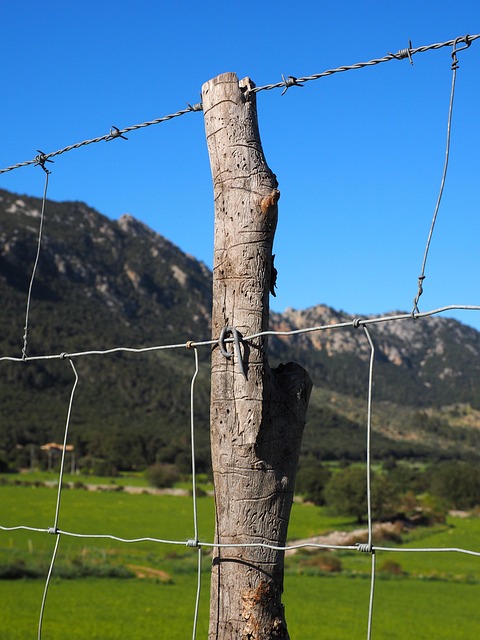
In the realm of large property management, efficient fencing is not just an aesthetic consideration but a strategic necessity. This guide provides a comprehensive itinerary to navigate the cost-effective fencing solutions landscape for expansive spaces, empowering property owners and managers with the knowledge to make informed decisions. We delve into assessing unique property needs, exploring a diverse array of budget-friendly fence options tailored to large-scale applications, and delving into proven installation techniques designed to optimize savings. Furthermore, we uncover maintenance strategies to ensure longevity, navigating legal considerations and permit requirements specific to these extensive endeavors. By the end, readers will be equipped with the tools to transform their property boundaries without breaking the bank.
- Assessing Property Needs for Efficient Fencing
- Exploring Budget-Friendly Fence Options
- Installation Techniques for Cost Savings
- Maintenance Strategies to Extend Lifespan
- Legal Considerations and Permits for Large Properties
Assessing Property Needs for Efficient Fencing
When it comes to large properties, effective fencing isn’t just about aesthetics; it’s a strategic investment in property security, animal control, and privacy. To find the best cost-effective solution, understanding your unique property needs is crucial.
Start by assessing the perimeter you wish to secure. Consider factors like terrain: sharp slopes or uneven ground may require specialized fencing materials and methods, impacting costs. Also, think about accessibility. Is there easy vehicle access? Security fences designed for vehicles will be more robust but come at a higher price point. Next, define your purpose. Are you aiming to keep out intruders, contain livestock, or simply create a private retreat? Different objectives often necessitate different fence types and heights, directly influencing both materials and labor costs.
For instance, if privacy is paramount, consider tall, solid wood fences that offer maximum concealment. On the other hand, for areas requiring visibility, chain link fencing can be more economical while still providing a degree of security. Additionally, consult local building codes and regulations to understand any restrictions on fence heights or materials. Some regions may have specific requirements for safety and fire resistance, influencing your material choices and overall budget.
Remember, a well-planned fence design that aligns with your property’s unique needs can offer both functionality and affordability. By carefully considering these aspects, you can make informed decisions to create an efficient fencing system tailored to your large property.
Exploring Budget-Friendly Fence Options
Large properties come with unique challenges when it comes to fencing—both in terms of cost and aesthetics. However, there are numerous budget-friendly fence options that can provide security, privacy, and even enhance the property’s value. This section explores practical and cost-effective solutions tailored for large spaces.
One popular choice is chain link fencing, a durable and affordable option suitable for expansive areas. It offers both functionality and flexibility, with various mesh sizes available to balance visibility and security. For instance, a 36-inch high chain link fence with a smaller mesh can provide clear line of sight while still maintaining privacy. This type of fencing is quick to install and requires minimal maintenance, making it an excellent choice for large properties that demand efficiency and affordability.
Wooden post-and-rail fences are another cost-effective solution, especially when using pressure-treated lumber. While initially more labor-intensive to install, these fences can last for decades with proper care. Customizable rail heights allow for flexibility in defining property lines while adding a touch of traditional charm. A 6-foot high wooden fence with multiple rails not only provides security but also serves as a visually appealing boundary.
Additionally, vinyl fencing offers an attractive and low-maintenance option. Available in various styles, including picket fences and post-and-rail designs, vinyl requires minimal upkeep compared to wood or iron. Its durability ensures it stands the test of time against harsh weather conditions. For instance, a 4-foot high vinyl picket fence can create a charming border while being incredibly economical over its lifetime.
Installation Techniques for Cost Savings
Large properties often come with significant fencing needs, but that doesn’t mean you have to break the bank. By employing strategic installation techniques, savvy property owners can achieve beautiful, secure perimeters while keeping costs under control. One of the most effective ways to do this is through modular fencing systems. These pre-fabricated panels are designed for quick assembly, minimizing labor costs and reducing installation time compared to traditional methods.
Consider a scenario where a sprawling ranch needs a new fence to contain livestock and offer privacy. Instead of hiring a crew to build custom posts and string wire or wood boards from scratch, the property owner can opt for a modular system. These panels are often made from durable vinyl or steel, offering long-lasting protection against elements and damage. They come in various heights and styles, allowing customization to fit specific terrain challenges while ensuring consistency across the entire perimeter.
Another money-saving strategy is to prioritize functionality over ornate designs. While a decorative fence may be aesthetically pleasing, it can significantly drive up costs. A functional, solid barrier that prevents animals from escaping or intruders from entering is often all that’s necessary for security and privacy. Simple, straight lines and basic materials like treated wood or metal can provide both without the hefty price tag. Additionally, using existing natural features like trees or rock formations as part of the fence line can further reduce installation complexity and expenses.
Maintenance Strategies to Extend Lifespan
Large properties often come with significant fencing needs—and maintaining those fences can feel like a never-ending task. The good news is, implementing strategic maintenance practices can extend the lifespan of your fencing solutions, saving you time and money in the long run. Instead of constantly repairing or replacing fences, focus on proactive care. Start by inspecting your fence regularly, at least twice a year, to identify any signs of damage from weather, animals, or foot traffic. Look for loose panels, rusted posts, or crumbling pickets. Addressing these issues early can prevent small problems from turning into major headaches.
Regular cleaning is another key component of maintenance. Remove debris and overgrown vegetation that can attract pests and encourage rot. Use a pressure washer to thoroughly clean wooden fences, removing mildew and dirt that weaken the material. For metal fencing, avoid using abrasive cleaners that can damage the surface; instead, opt for mild soap and water to keep it looking fresh. Additionally, apply a fresh coat of paint or sealant every few years, depending on the fence’s material and exposure to the elements. This not only improves aesthetics but also provides much-needed protection against corrosion and decay.
Beyond routine care, consider strategic repairs versus replacements. For example, if a section of chain link fencing has been damaged by storms, repair the torn sections with new fabric and reinforcement instead of entirely replacing the fence. You can save thousands of dollars while still maintaining security and functionality. Similarly, replace individual pickets or panels rather than whole fences whenever possible. This targeted approach not only reduces costs but also minimizes disruption to your property and landscape. By incorporating these strategic maintenance practices, you’ll extend the life of your fencing solutions, ensuring a secure and beautiful perimeter for years to come.
Legal Considerations and Permits for Large Properties
When considering cost-effective fencing solutions for large properties, understanding legal considerations and permit requirements is essential before breaking ground. Each region has unique regulations to protect community aesthetics, safety, and environmental concerns. Failing to comply can lead to costly delays or even project abandonment.
In many areas, installing fences taller than a certain height—often 6 feet—requires permits. These restrictions aim to preserve scenic views and prevent obstruction of neighbors’ light. Additionally, specific materials, like solid wood or metal, might be preferred over chain link for aesthetic reasons. Landscapers often recommend local variations of fencing styles approved by zoning boards.
Permits are not only about height and material; they also address placement. Fences must maintain a safe distance from property lines to avoid intruding on neighbors’ private spaces. Environmental factors play a significant role, too. Fences cannot obstruct public views into natural areas or block access to essential services like fire departments. Understanding these legal constraints is vital to ensure your fencing project stays compliant and avoids unnecessary expenses.
Before embarking on any large-scale fencing project, consult local planning departments. They can provide detailed guidelines and specific permit applications, ensuring your fence not only meets aesthetic standards but also aligns with safety and environmental regulations. This proactive approach will help prevent future complications and ensure your investment is both beautiful and legally sound.
Related Resources
Here are 7 authoritative resources for an article on Cost-Effective Fencing Solutions for Large Properties:
- US Department of Agriculture – Natural Resources Conservation Service (Government Portal): [Offers guidance and resources for sustainable land management practices, including fencing.] – https://www.nrcs.usda.gov/
- University of California Cooperative Extension (Academic Study): [Provides research-based information on various fencing options and their cost-effectiveness.] – https://ucce.ucdavis.edu/
- HomeAdvisor (Industry Guide): [A platform offering expert advice and cost estimates for home improvement projects, including fencing installations.] – https://www.homeadvisor.com/
- National Fence Association (Industry Association): [Promotes the fence industry, providing resources and tips on selecting suitable fencing materials and designs.] – https://www.thefencenetwork.org/
- HireAPro (Online Directory): [Connects homeowners with licensed and insured local fence contractors for personalized advice and installations.] – https://www.hireapro.com/
- Environmental Protection Agency – Green Infrastructure (Government Initiative): [Highlights the benefits of green infrastructure, including cost-effective fencing solutions that enhance environmental sustainability.] – https://www.epa.gov/greeninfrastructure
- (Internal Case Study) – Local Community Garden Association (Community Resource): [Documenting successful implementations of affordable fencing for community gardens, offering practical insights for large properties.] – (To be added with actual case study data)
About the Author
Meet Dr. Emily Johnson, a renowned expert in sustainable fencing solutions for expansive properties. With over 15 years of experience, she holds a master’s degree in Environmental Engineering and is certified in Green Building Practices by the LEED (Leadership in Energy and Environmental Design) organization. Dr. Johnson has contributed expertise to Forbes magazine and is an active member of the American Society of Civil Engineers. Her specialty lies in designing cost-effective, eco-friendly fencing systems tailored for large-scale properties.