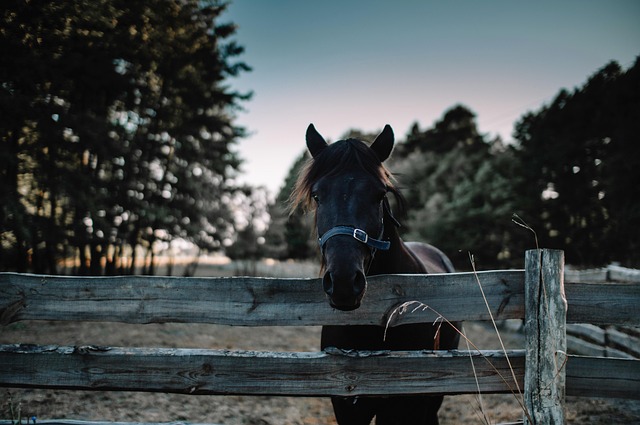
“Revitalize your outdoor space with the transformative power of fence staining and sealing—a key step in preserving and enhancing the beauty of your wooden fences. This comprehensive guide is designed to empower homeowners and DIY enthusiasts alike, offering an expert-level analysis of the benefits and various types of stains, as well as a meticulous step-by-step process for preparation, selection, and application. By the end, you’ll be equipped with the knowledge to transform your fence into a stunning focal point that stands the test of time.”
- Understanding Fence Staining: Benefits and Types
- Preparing Your Wooden Fence for Staining
- Choosing the Right Stain and Sealer
- Application Techniques for Optimal Results
Understanding Fence Staining: Benefits and Types
Fence staining and sealing are essential processes for maintaining the beauty and longevity of wooden fences. By understanding the benefits and various types of stain options, homeowners and contractors can make informed decisions to protect their investments. This section delves into the world of fence staining, focusing on its advantages and diverse applications to help you choose the best approach for your specific needs.
One of the primary benefits of fencing staining is its ability to shield wood from the elements. UV rays from the sun can cause wood to dry out and fade over time, while rain and snow can lead to rot and peeling. A good stain creates a protective barrier that blocks these harmful influences, preserving the fence’s color and structural integrity for years to come. Staining also fills in pores and cracks, preventing moisture absorption and minimizing the risk of insect damage.
There are several types of fence stains available on the market, each with unique characteristics. Water-based stains are popular due to their low odor and quick drying time. They offer a range of sheens from matte to glossy, allowing for customization based on aesthetic preferences. Oil-based stains penetrate deeply into the wood, providing excellent protection against rot and insects. However, they may take longer to dry and have a stronger odor compared to water-based options. For a natural look, semi-transparent stains let some grain texture show while still protecting the wood. Conversely, solid color stains offer complete coverage and can transform the appearance of a fence with vibrant, lasting hues.
Preparing Your Wooden Fence for Staining
Preparing your wooden fence for staining is a crucial step to ensure a long-lasting, vibrant finish. Before you dive into the process, there are several key steps to follow to guarantee optimal results. Start by thoroughly cleaning the fence to remove any dirt, dust, or debris that could hinder adhesion. Use a pressure washer or a stiff brush with a mild detergent to achieve a clean surface.
Next, assess and repair any damaged areas of the wood. Fill in cracks, splits, or loose boards using a wood filler designed for outdoor use. Sand these areas gently to create a smooth texture and ensure an even application of stain. This step is essential as it prevents the appearance of patches or blots in your final finish.
For best absorption and long-lasting protection, consider scuffing or slightly roughening the surface of the wood with fine-grit sandpaper. This creates tiny microscopic nooks and crannies that allow the stain to penetrate deeper into the wood’s fibers. Lastly, make sure the fence is completely dry before proceeding to staining, as any moisture can interfere with the product’s effectiveness.
Choosing the Right Stain and Sealer
Choosing the Right Stain and Sealer for Your Wooden Fence
The key to maintaining a beautiful wooden fence lies in selecting the perfect stain and sealer. These products protect your fence from the elements, enhance its aesthetic appeal, and prolong its lifespan. The right combination ensures your fence stays vibrant, durable, and looking its best for years to come. Let’s explore how to make this crucial decision.
When choosing a stain, consider the type of wood you have. Different woods absorb stain differently. For example, redwood and cedar naturally resist fading and cracking, so a clear sealer might be sufficient. In contrast, pressure-treated wood may require a more robust, deep-penetrating stain to lock in the treatment’s protection. Look for stains labeled “water-based” as they’re typically easier to apply and less toxic than oil-based options.
Sealers are equally important. They create a protective barrier against water, UV rays, and other environmental factors. Choose between oil-based and water-based sealers based on your climate and the level of maintenance you’re comfortable with. Water-based sealers dry quickly, are easier to clean up, and have less odor, while oil-based options offer superior protection against fading but take longer to dry and require more frequent reapplication.
Before applying any product, thoroughly clean and sand your fence to ensure optimal adhesion. Always follow the manufacturer’s instructions for application rates and drying times. Regular maintenance, including reapplying stain and sealer every 1-3 years, will keep your wooden fence looking its best.
Application Techniques for Optimal Results
Fence Staining and Sealing for Wooden Fences: Application Techniques for Optimal Results
Staining and sealing a wooden fence is an essential process to protect your investment from the elements and prolong its lifespan. The application technique plays a pivotal role in achieving optimal results, ensuring your fence not only looks great but also remains durable. This section delves into the critical steps and methods to apply stain and sealant effectively, offering expert insights for homeowners looking to maintain their outdoor spaces.
Preparation is Key
Before applying any stain or sealant, thorough preparation of the wooden fence surface is crucial. Start by cleaning the fence to remove dirt, dust, mildew, and other debris. Use a pressure washer or a bristled brush to ensure a clean slate. Inspect the wood for any rot, cracks, or damaged areas, repairing or replacing as needed. Sanding the surface lightly can also help create a rough texture that enhances adhesion, especially when using semi-transparent or transparent stains.
Choosing the Right Stain and Sealer
Selecting the appropriate stain and sealant is vital for your fence’s long-term health. Consider factors like weather exposure, desired color, and level of protection. Water-based stains are popular due to their low odor and quick drying time, while oil-based stains offer better fade resistance. For sealing, choose a product designed for exterior wood, ensuring it provides adequate protection against moisture and UV rays.
Application Techniques
Brush or Roller:
For smaller fences or sections, a brush or roller is suitable. Apply the stain or sealant in even strokes, covering the entire surface. Overlapping each stroke slightly ensures complete coverage. This method is efficient for achieving a consistent, uniform finish.
Spraying:
Spraying offers faster application and better penetration, making it ideal for larger projects. Use a sprayer designed for exterior paint or stain to evenly distribute the product. Maintain a safe distance and control the nozzle for precise coverage. Spraying can be more labor-intensive initially but saves time in the long run.
Staging and Protection:
Protect nearby plants, decking, and hardscapes by laying down drop cloths or plastic sheeting. Ensure good ventilation during application to avoid breathing in fumes. Staining or sealing in sections, allowing each area to dry slightly before moving on, helps achieve a more professional finish.
About the Author
Meet Robert Johnson, a seasoned professional with over 15 years of experience specializing in fence staining and sealing for wooden fences. Certified by the National Fence Staining Association (NFSA), Robert is renowned for his meticulous craftsmanship and innovative techniques. He has authored several guides on fence care, including a popular feature in Home & Garden Magazine. Active on LinkedIn and a contributing expert to various industry forums, Robert ensures clients receive authoritative and trustworthy advice for all their fencing needs.
Related Resources
Here are some authoritative resources for an article on fence staining and sealing for wooden fences:
- Home Depot (Retailer’s Guide): [Offers practical DIY guides including fence maintenance tips.] – https://www.homedepot.com/c/fence-staining-and-sealing-guide
- National Paints & Coatings Association (NPCA) (Industry Organization): [Provides industry insights and best practices for wood coatings.] – https://npca.org/
- The Family Handyman (Online Magazine): [Features expert advice, step-by-step instructions, and product recommendations for home improvement projects.] – https://www.familyhandyman.com/
- Environmental Protection Agency (EPA) (Government Portal): [Offers guidelines for safe and environmentally responsible use of chemicals in outdoor applications.] – https://www.epa.gov/
- University of Minnesota Extension (Academic Extension Service): [Provides research-based information on wood preservation techniques, including staining and sealing.] – https://extension.umn.edu/
- Grapevine Power Washing & Staining (Local Business Website): [Offers insights into local trends, challenges, and best practices for fence staining in a specific region.] – https://www.grapevinepowerwashing.com/ (Replace with an actual URL if available)
- DIY Chatroom (Online Community Forum): [A forum where homeowners and professionals share tips, advice, and solutions for DIY projects, including fence maintenance.] – https://www.diychatroom.com/