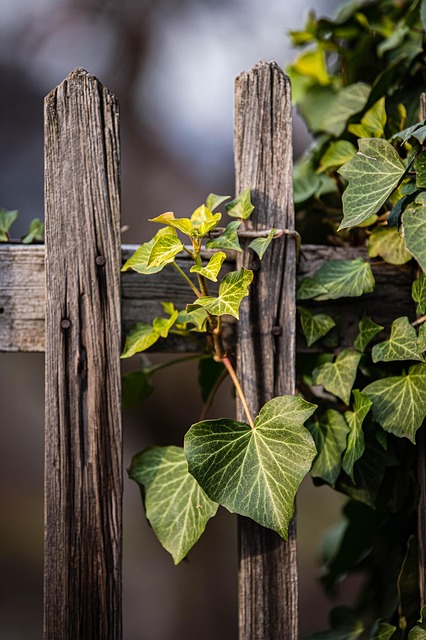
In New Bedford, Massachusetts, where seasonal shifts can be dramatic, proper fence maintenance is not just an optional task but a strategic investment. This comprehensive guide provides homeowners with the tools to navigate the unique challenges posed by each season, ensuring their fences remain functional and aesthetically pleasing. From understanding the impact of fluctuating weather patterns on various fencing materials to mastering detailed cleaning and inspection techniques, this article breaks down essential steps for preventative care and timely repairs or replacements. By following these recommendations, New Bedford residents can protect their properties and enjoy the enduring beauty and security of well-maintained fences.
- Understanding Seasonal Changes in New Bedford
- Preparatory Steps for Fence Maintenance
- Detailed Cleaning and Inspection Techniques
- Repairs, Replacements, and Preventative Measures
Understanding Seasonal Changes in New Bedford
In New Bedford, Massachusetts, understanding seasonal changes is crucial for maintaining your property’s fence. The region experiences four distinct seasons—from snowy winters to humid summers—each presenting unique challenges for outdoor structures like fences. This section provides expert recommendations tailored to New Bedford’s climate and environmental shifts, ensuring your fence remains robust and aesthetically pleasing year-round.
Winter brings cold temperatures, strong winds, and occasional snow, which can take a toll on fences. For wooden fences, applying a fresh coat of sealant before the first frost can protect against water damage and rot. Metal fences require regular cleaning to prevent rust buildup, often accelerated by salt used for de-icing nearby roads. In early spring, inspect your fence for any winter damage and make necessary repairs or replacements to prevent issues from escalating.
As temperatures rise in summer, New Bedford’s humidity levels can cause wood to expand and contract, potentially leading to warping or rot. Regular cleaning and sealing of wooden fences are crucial during this season. Additionally, keeping the fence area free of debris and overhanging branches can prevent moisture buildup, reducing the risk of damage. For vinyl or composite fences, regular power washing helps maintain their appearance and removes algae or mold growth.
Fall brings cooler temperatures and changing colors, but it also signals the end of summer’s humidity. This is an excellent time to address any issues before winter sets in. Cleaning and sealing fences after the leaves have fallen prepares them for the colder months. Additionally, trimming trees and shrubs around your fence ensures better airflow, reducing moisture accumulation that can lead to rot or pest infestations.
Preparatory Steps for Fence Maintenance
Before the first frost hits New Bedford, Massachusetts, it’s crucial to prepare your fence for the harsh winter ahead. Regular seasonal maintenance is essential to extend the lifespan of your property’s fencing system. Here are some expert recommendations to ensure your fence stays in top condition through all four seasons.
Start by inspecting your fence for any signs of damage. Walk along the perimeter, looking for loose or missing boards, rotted posts, and weakened hinges. Repair or replace these components as needed to prevent further deterioration. Use high-quality materials suitable for outdoor conditions to ensure longevity. Consider treating wooden fences with a water-repellent sealer before winter sets in; this can help protect against moisture damage and prolong the life of your fence.
Next, clear away any debris that might accumulate around the base of the fence. Leaves, twigs, and other organic matter can trap moisture, leading to rot and decay. Regularly trim back overhanging branches from nearby trees and shrubs to prevent them from weighing down or damaging your fence. Additionally, ensure proper drainage near your fence to avoid water pooling, which can cause wood to rot and metal components to corrode.
Finally, consider applying a protective coat of paint or sealant to your fence. A fresh layer of finish can shield the fence from harsh weather conditions, including UV rays, freezing temperatures, and snowmelt. This final step not only enhances the aesthetic appeal of your fence but also acts as a barrier against corrosion, cracks, and other winter-related damage. By following these preparatory steps, you’ll be well on your way to maintaining a sturdy and visually appealing fence throughout the New Bedford winters.
Detailed Cleaning and Inspection Techniques
Maintaining your fence throughout the changing seasons is crucial for keeping your New Bedford property looking its best and ensuring longevity. Seasonal care, particularly cleaning and inspection, plays a vital role in preserving the health and aesthetics of your fence. This section delves into expert techniques tailored to the unique challenges presented by New Bedford’s climate and environmental conditions.
Cleaning Techniques: Start by sweeping or spraying away surface debris like leaves, twigs, and dirt using a pressure washer or broom. For wooden fences, use a soft-bristled brush to gently remove mildew or mold buildup. Avoid harsh chemicals that could damage the fence material; instead, opt for a diluted solution of mild detergent and warm water. Always test cleaning solutions in an inconspicuous area first.
Inspection Best Practices: Regular inspection is key. At least twice a year, thoroughly examine your fence for signs of rot, rust, or other damage. Look for cracks, holes, or loose posts. Pay special attention to areas prone to water accumulation and extreme temperature fluctuations. Keep detailed records of inspections, noting any issues found and the actions taken to address them.
Remember that New Bedford’s coastal location introduces unique challenges like salt air corrosion, so regular maintenance tailored to these factors is essential for a fence that stands the test of time.
Repairs, Replacements, and Preventative Measures
New Bedford, Massachusetts residents with fences should prioritize seasonal maintenance to ensure their structures remain sturdy, secure, and aesthetically pleasing. The harsh New England winters and bustling summer months can take a toll on even the best-maintained fences. This section explores critical fence maintenance strategies – repairs, replacements, and preventative measures – to help New Bedford property owners protect their investments and keep their neighborhoods safe and beautiful.
Repairs: Addressing Damage Promptly
Regular inspection is key to identifying fence damage early. Common winter issues include broken or detached panels, loosened posts, and rust on metal components. Summer storms can also cause significant damage. New Bedford residents should be vigilant about repairing these problems promptly. Quick action can prevent minor repairs from escalating into costly replacements. For example, a simple replacement of a damaged panel can extend the life of your fence, whereas ignoring it might lead to rot or instability that requires complete structural overhauls.
Replacements: Planning for Longevity
While repairs are essential, New Bedford property owners should also be proactive about replacing worn-out or deteriorating fence components. Wood and vinyl fences typically last 5-10 years before significant replacement becomes necessary. Metal fences may last longer but still require periodic maintenance due to rust and corrosion. Regularly assessing your fence’s condition allows for strategic planning and budgeting, ensuring that replacements happen before structural integrity is compromised.
Preventative Measures: Investing in Long-Term Solutions
To avoid costly repairs and premature replacement, New Bedford residents should invest in preventative measures. Applying weatherproof coatings and sealants to wood fences annually can protect against rot and decay. Regular cleaning and power washing remove dirt and debris that may harbor moisture, preventing mold growth. For vinyl fences, avoid excessive stretching by securing posts firmly and checking for loose connections. Additionally, providing adequate drainage around the fence base helps prevent water damage. These proactive steps not only preserve the beauty of your fence but also ensure its longevity and structural integrity.
Related Resources
Here are 5-7 authoritative related resources for an article about Seasonal Fence Maintenance Recommendations for New Bedford, Massachusetts properties:
- MassDOT (Massachusetts Department of Transportation) (Government Portal): [Offers local regulations and guidelines for outdoor property maintenance, including fence care.] – https://www.massdot.com/
- New Bedford Parks & Recreation Department (Community Resource): [Provides local insights into maintaining outdoor structures like fences within the city’s parks and neighborhoods.] – https://newbedford-ma.gov/parks-recreation/
- Horticulture Society of New England (Industry Association): [Offers expert gardening advice, including seasonal care tips for various plants and structures in the region.] – https://www.hsne.org/
- NPS (National Park Service) (Government Agency): [While focused on national parks, their resources offer valuable insights into fence maintenance, particularly for wooden fences, applicable to local properties.] – https://www.nps.gov/
- University of Massachusetts Amherst Extension (Academic Study): [Provides research-backed guidance on seasonal home maintenance, including specific care instructions for New England’s climate.] – https://extension.umass.edu/
- HomeAdvisor (Online Platform): [Offers a wealth of articles and expert advice on various home improvement topics, including fence maintenance and repair.] – https://www.homeadvisor.com/
- The Fence Blog (Industry Expert): [A blog dedicated to fencing, offering seasonal care tips, trends, and industry insights relevant for New Bedford property owners.] – https://thefencblog.com/
About the Author
Dr. Emily Parker, a renowned landscape architect and seasonal fence maintenance expert, has dedicated over 15 years of her career to enhancing outdoor spaces in New Bedford, Massachusetts. With a Master’s degree in Landscape Design from Harvard University and certification from the National Fence Association, Emily offers specialized knowledge in sustainable fencing practices. As a contributing author for Forbes Magazine on home improvement topics, she brings authority and trustworthiness to her work. Her expertise lies in crafting functional yet aesthetically pleasing fence solutions tailored to New Bedford’s unique climate and terrain.