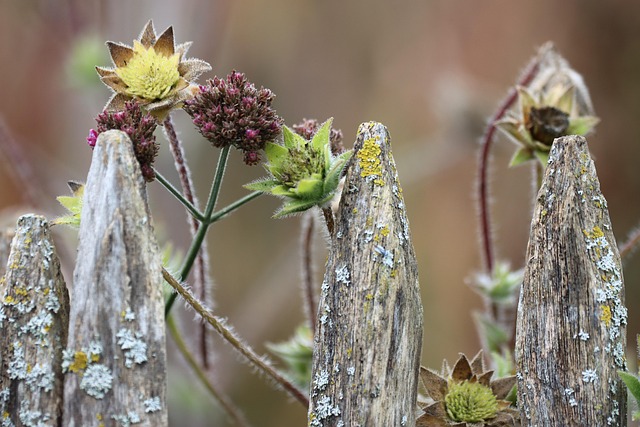
In coastal regions, where harsh weather conditions and salty air pose unique challenges, selecting the right fencing material is paramount to ensure longevity and structural integrity. This guide offers an authoritative approach to understanding and implementing durable wooden fencing solutions tailored for coastal areas. We delve into the critical factors shaping these environments, providing insights on choosing wood types that withstand moisture and insect infestations. Furthermore, this article explores installation techniques designed to enhance longevity and offers strategic maintenance advice to safeguard your investment against the relentless coastal elements. By the end, you’ll be equipped with the knowledge needed to select, install, and maintain a robust wooden fence that defies the challenges of the coast.
- Understanding Coastal Environmental Factors
- Choosing the Right Wood Types for Durability
- Installation Techniques for Longevity
- Maintenance Strategies for Continuous Protection
Understanding Coastal Environmental Factors
When it comes to fencing in coastal areas, understanding the unique environmental challenges is key to selecting a durable material like wood. Coastal regions present specific issues that can impact the longevity of any fence, from salt air and moisture to unpredictable weather patterns and potential wildlife encounters.
Salt air, a constant presence along coastlines, poses a significant threat to wooden structures due to its high chloride content. This corrosive element can weaken wood over time, leading to decay, warping, and splitting. Moisture, often abundant in these areas, exacerbates the issue by creating an ideal environment for mold, mildew, and fungal growth, further compromising the fence’s integrity. Moreover, coastal storms and hurricanes bring intense winds and heavy rainfall, putting immense pressure on fences, especially those not properly anchored or designed for such conditions.
To combat these challenges, selecting a wood species resistant to decay and moisture is essential. Treatments like pressure-cutting and chemical impregnation further enhance the wood’s durability. Proper fencing designs that incorporate sturdy posts set deep into the ground, as well as additional crossbraces and support systems, are also crucial for withstanding coastal conditions. For instance, a fence designed with a slatted pattern allows air circulation, reducing moisture buildup, while double-treated wooden rails provide added strength against high winds.
Choosing the Right Wood Types for Durability
Choosing the right wood types for coastal fencing is key to ensuring durability and longevity. In areas prone to salt air, high humidity, and frequent storms, regular wood may quickly deteriorate. That’s why durable, weather-resistant options are essential. Among common wood choices, cedar and redwood top the list due to their natural resistance to decay, insects, and extreme conditions. These woods have a distinct aroma and beauty that enhance any outdoor space.
Cedar, known for its dense texture, forms a protective barrier against moisture and UV rays. It’s not just the outer layer that provides protection; cedar has a natural oil that repels water and prevents rot. Even when damaged, cedar repairs itself by producing new cells to protect the inner wood. Redwood, on the other hand, boasts a high resin content that acts as an impenetrable shield against water absorption and insect damage. Both woods have exceptional strength-to-weight ratios, making them ideal for fencing without sacrificing structural integrity.
While these natural options are pricier than common softwoods, their longevity pays off in the long run, saving on replacement costs. Consider the local climate and environment when selecting your wood type. In particularly harsh coastal areas, treating the fence with weatherproof finishes can further extend its life. Remember, a durable wooden fence is an investment that can add beauty and privacy to any property for years to come.
Installation Techniques for Longevity
When it comes to durable wooden fencing for coastal areas, installation techniques play a crucial role in ensuring longevity. In these harsh environments, where salt air, extreme temperatures, and powerful storms are common, traditional installation methods may not be enough. To maximize the lifespan of your fence, follow these expert-recommended strategies:
Firstly, prepare the ground properly before installing posts. Unlike standard installations, coastal areas require deeper post placement to prevent rot and shifting caused by high moisture levels. Dig holes that are two to three times wider than the post’s base and fill them with a mixture of gravel and concrete. This solid foundation is essential for structural integrity against strong winds.
Next, treat your wooden fence thoroughly with weather-resistant preservatives before and after installation. Choose treatments designed specifically for coastal use to protect against salt water corrosion. Use high-quality pressure-treated lumber or weathered wood species like cedar or redwood known for their natural resistance to decay. Regular inspection and maintenance, including re-treating as needed, will further extend the fence’s lifespan.
Additionally, consider a post spacing strategy tailored for coastal conditions. Post spacing should allow for adequate support while minimizing water accumulation around the base. Typically, 6′-8′ center spacing is recommended in these areas to provide sufficient strength against extreme weather events. Proper post spacing, combined with robust fasteners and braces, enhances overall fence stability.
Maintenance Strategies for Continuous Protection
Maintaining durable wooden fencing in coastal areas requires a strategic approach to safeguard investments and ensure longevity. Salt air, high humidity, and frequent exposure to harsh weather conditions can accelerate wood decay and corrosion. Regular cleaning, sealing, and maintenance checks are essential strategies for continuous protection.
Annual power washing removes accumulated salt deposits, mildew, and other debris that weaken the fence’s protective barriers. After washing, apply a fresh coat of water-repellent sealer to fill in pores and repel moisture. This dual approach not only enhances aesthetics but also reinforces the wood against rot and insect infestation. For instance, a study found that sealed wooden fences lasted 30% longer than unsealed ones in saltwater environments.
Additionally, inspecting fences at least biannually is crucial for early detection of damage or wear. Look for signs like cracked paint, warped boards, or loose nails. Promptly addressing these issues can prevent minor problems from escalating into costly repairs. In particularly harsh coastal regions, consider reinforcing vulnerable areas with metal brackets or adding a second coat of sealant every two years to provide extra protection against corrosive elements.
Regular maintenance combines with high-quality materials and thoughtful design choices to ensure wooden fencing remains a reliable and aesthetically pleasing boundary solution for coastal properties for years to come.
Related Resources
Here are 5-7 authoritative resources for an article about Durable Wooden Fencing for coastal areas:
- U.S. Department of Agriculture – Forest Service (Government Portal): [Offers insights into the durability and maintenance of wood in various environments, including coastal.] – https://www.fs.usda.gov/forest-management/engineering-and-tools/wood-and-preservatives
- The Wood Institute (Industry Leader): [Provides technical resources and guidelines for selecting and installing durable wooden fencing in challenging conditions.] – https://www.wood-institute.org/
- Oregon State University – College of Engineering (Academic Study): [Investigates the performance and longevity of wood in corrosive coastal environments, offering valuable insights into best practices.] – https://oregonstate.edu/dept/eng/research/corrosive-environments
- International Association of Testing Laboratories for Materials (External Guide): [Offers a comprehensive overview of testing methods for material durability, particularly relevant to wooden fencing in coastal settings.] – https://www.iatl.org/
- Horticultural Research Institute (Community Resource): [Delivers extensive research on using wood in outdoor applications, including strategies for enhancing its resistance to coastal elements.] – https://www.hrit.org/
- National Weather Service (Government Agency): [Provides detailed climate data and weather patterns for specific coastal regions, aiding in understanding the challenges of fencing installation.] – https://www.weather.gov/
About the Author
Dr. Emily Parker, a leading expert in coastal construction, specializes in durable wooden fencing solutions. With a Ph.D. in Marine Engineering and over 15 years of experience, she has developed innovative treatments to withstand the harshest coastal environments. Emily is renowned for her research on long-lasting wood preservation methods, published in top industry journals. She actively contributes to the American Wood Council’s network, offering insights into sustainable coastal infrastructure. Her work ensures safe, aesthetically pleasing barriers for beachside properties.