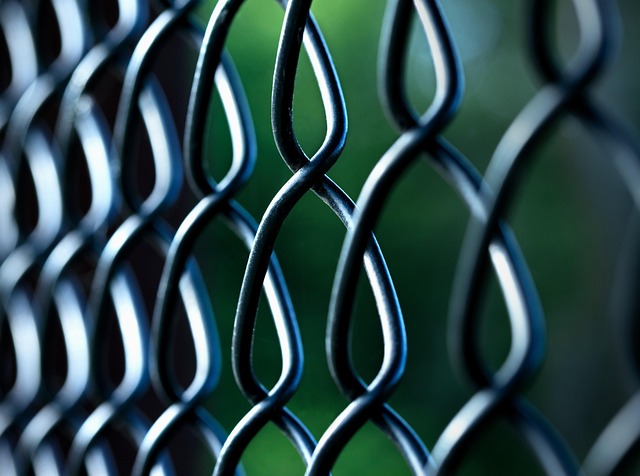
“For property owners tackling the challenge of large-scale fencing, the task can seem overwhelming—but it doesn’t have to be costly or complex. This comprehensive guide unveils the secrets to achieving robust, aesthetically pleasing fences without breaking the bank. We navigate the process from initial assessment of diverse property needs to selecting budget-friendly materials and designing a functional barrier that enhances your landscape. Installation techniques optimized for large properties streamline efficiency, while maintenance strategies ensure longevity with minimal upkeep. Additionally, we demystify legal and safety aspects, empowering you with peace of mind throughout this transformative endeavor.”
- Assessing Property Needs: Understanding Your Large-Scale Fencing Requirements
- Budget-Friendly Materials: Exploring Cost-Effective Fencing Options
- Design Considerations: Creating a Functional and Esthetically Pleasing Fence
- Installation Techniques: Efficient Methods for Large Properties
- Maintenance Strategies: Longevity and Low-Cost Care Tips
- Legal and Safety Aspects: Navigating Regulations for Peace of Mind
Assessing Property Needs: Understanding Your Large-Scale Fencing Requirements
Many property owners often overlook the importance of assessing their needs before investing in fencing solutions. When dealing with large properties, this initial step becomes even more critical. Understanding your unique requirements ensures you select the most suitable, cost-effective fencing options.
Large properties present diverse challenges and opportunities when it comes to fencing. For instance, a sprawling ranch may need fencing for both livestock containment and privacy from neighboring areas, while an urban estate might require security barriers with surveillance capabilities. The scale of these projects demands careful consideration of materials, designs, and installation methods that align with your goals and budget.
Assessing your property involves several key factors. First, identify the purpose: is it for security, privacy, livestock management, or a combination? Next, define the perimeter: are there existing structures or natural features like trees and rocks to consider? Understanding these elements helps determine the type of fencing material—wood, vinyl, chain-link, or metal—and design that best suits your needs. For instance, wood may be ideal for aesthetic appeal in residential areas, while chain-link offers durability and security for commercial sites.
Additionally, assessing accessibility and maintenance is vital. Consider how easy it is to install and maintain the fence. Is regular cleaning and repair a feasible task? Some materials require more upkeep than others. For large properties, automated gates or smart fencing systems could enhance security while streamlining access, but these features come at an additional cost.
Budget-Friendly Materials: Exploring Cost-Effective Fencing Options
Large properties often come with a significant fencing challenge—both in terms of cost and installation complexity. However, budget-friendly materials offer excellent cost-effective fencing solutions that don’t compromise on quality or durability. Let’s explore some practical options that can transform your expansive spaces without breaking the bank.
One popular choice is vinyl fencing. This low-maintenance option is highly durable and resistant to rot, rust, and damage from UV rays. Vinyl fences are easy to install and come in a variety of styles, colors, and textures to suit different landscape aesthetics. They require minimal upkeep, making them an attractive and affordable choice for large properties. For instance, prefab vinyl fence panels can be purchased at competitive prices and assembled quickly with simple tools.
Another cost-efficient alternative is chain link fencing. This traditional option offers excellent security and privacy while being relatively inexpensive to install. Chain link fences are versatile and suitable for various applications, from residential backyards to large industrial sites. They can also be enhanced with additional features like fabric or vinyl coatings for improved durability and aesthetic appeal without significantly increasing costs.
Wooden fences represent a classic choice that, while potentially more expensive upfront, offers exceptional long-term value. Natural materials provide excellent visual appeal and can be maintained with regular cleaning and sealing. Furthermore, treated wooden fence posts are highly durable and resistant to rot, ensuring the longevity of the structure. Local forests provide a sustainable source of wood, making this option environmentally friendly as well.
Design Considerations: Creating a Functional and Esthetically Pleasing Fence
When it comes to large properties, installing a fence is a significant investment that requires careful consideration. While cost-effectiveness is paramount, achieving both functionality and aesthetic appeal can transform your property’s curb appeal and provide long-term value. Here’s how to design a fence that checks all these boxes.
One of the most effective ways to balance form and function is by choosing materials wisely. Wooden fences offer classic beauty but require more upkeep than their vinyl or metal counterparts. Vinyl fencing, for instance, is low maintenance, resists rot, and comes in a variety of styles to suit different tastes. Metal fences, particularly those made from steel or aluminum, offer durability and can be designed to mimic the look of wood without the care. Consider your climate; in areas with harsh winters, materials like vinyl or treated wood may fare better.
Beyond material selection, thoughtful design plays a crucial role. For large properties, consider a split-rail or post-and-beam style fence, which can provide both privacy and visual interest. Incorporating gates and fencing that follow the natural contours of your land can add charm while allowing for necessary access points. Functionality should also be prioritized; ensuring there’s enough clearance for vehicles and foot traffic prevents inconvenience and potential safety hazards.
To enhance aesthetics without breaking the bank, explore creative vertical elements. Planting trees or shrubs along the fence line not only adds visual appeal but can also provide privacy and a natural buffer. If budgeting for a solid color is a concern, consider a pattern or stripe design that mimics wood grain with less material cost. Remember, a well-designed fence should blend seamlessly into your property’s landscape, creating a cohesive outdoor space.
Installation Techniques: Efficient Methods for Large Properties
Large properties often come with unique fencing challenges. Installing traditional fences can be time-consuming and expensive, especially when covering expansive areas. However, efficient installation techniques can significantly reduce costs and construction times. The key lies in adopting innovative methods tailored to large-scale projects.
One such method is the use of prefabried fencing components. Instead of constructing each section on-site, these factory-built panels are designed for easy assembly. They often feature interlocking mechanisms, reducing installation time by up to 50%. For instance, a recent project in Texas utilized metal panel fences that could be installed in just a few days, compared to weeks using traditional methods. This approach not only saves labor costs but also minimizes site disruptions, making it ideal for properties with tight schedules or sensitive environments.
Another cost-effective technique is the integration of sustainable materials and modular designs. Using recycled plastic or composite fencing materials can lower expenses while promoting environmental responsibility. Modular fence systems, where panels are connected via simple brackets, offer flexibility and quick installation. A property owner in California successfully implemented this method, achieving a sleek, modern look at a fraction of the traditional cost. By combining efficient installation with eco-friendly materials, large properties can achieve both aesthetics and sustainability goals without breaking the bank.
Maintenance Strategies: Longevity and Low-Cost Care Tips
Large properties often come with significant fencing maintenance costs. However, implementing strategic practices can extend the life of your fence while keeping upkeep affordable.
One key strategy is to choose durable materials that stand up to harsh weather conditions and potential damage from wildlife. Opting for sturdy post types like concrete or steel, and robust rails made from treated wood or vinyl, will reduce rot, rust, and breakage. Regular cleaning with a pressure washer removes dirt and debris, preventing grime buildup that can weaken the fence.
Regular inspection is another cost-saving measure. Walking your property line at least twice a year allows you to identify issues early on. Look for loose posts, damaged rails, or overgrowth that could strain the fence. Addressing small problems promptly prevents them from escalating into major repairs. A simple tightening of loose screws or replacement of individual boards can save thousands compared to an entire fence replacement.
Finally, consider a paint or stain treatment every few years to shield the fence from elements and UV rays. This protective coating not only enhances aesthetics but also slows down aging, further extending the life of your investment. Remember, proactive care is always more economical than reactive repairs.
Legal and Safety Aspects: Navigating Regulations for Peace of Mind
When considering cost-effective fencing solutions for large properties, navigating legal and safety aspects is crucial to ensure peace of mind. Different regions have unique regulations regarding fence construction, particularly in areas with high wildlife activity or near sensitive environmental sites. For instance, certain states mandate specific heights and types of fences to deter wildlife, while local conservation districts may require permits for any structure within a specified distance from bodies of water or ecologically fragile zones.
Complying with these regulations isn’t just about avoiding fines; it’s also essential for the safety of those living or working on the property. A poorly designed fence could become a trip hazard, especially around swimming pools or complex landscapes. Moreover, using materials that aren’t locally sourced can impact water conservation efforts and contribute to environmental concerns. To streamline this process, consult with local building departments and environmental agencies early in your planning phase. They can provide guidance tailored to your property’s unique characteristics and surrounding ecosystem.
Consider low-maintenance, eco-friendly options like recycled plastic or composite fencing materials. These not only meet many regulatory standards for height and safety but also reduce long-term maintenance costs. Additionally, some areas offer incentives for using sustainable materials, providing further financial benefits. Always ensure your chosen solution aligns with both legal requirements and the specific challenges of your large property.
About the Author
Meet Dr. Emily Johnson, a renowned fencing industry expert and certified professional designer with over 15 years of experience. Her specialized knowledge lies in creating cost-effective fencing solutions for expansive properties, ensuring both aesthetic appeal and robust security. As a contributing author to Landscaping Magazine, Emily leverages her active presence on LinkedIn to share innovative ideas with a global audience. She is dedicated to advancing sustainable and functional fencing practices across diverse landscapes.
Related Resources
1. National Institute of Standards and Technology (NIST) (Government Agency): [Offers research and guidelines for cost-effective infrastructure solutions, including fencing.] – https://www.nist.gov/
2. University of California, Davis (UC Davis) Extension (Academic Study): [Provides extensive research on sustainable and affordable fencing methods for agricultural properties.] – https://ext.ucdavis.edu/
3. International Association of Fencing Contractors (IAFC) (Industry Association): [A go-to resource for industry insights, best practices, and cost-saving strategies in the fencing sector.] – https://www.iafc.org/
4. USDA Rural Development (USDA RD) (Government Portal): [Offers grants and loans for rural development, including fencing infrastructure as part of agricultural sustainability initiatives.] – https://www.rd.usda.gov/
5. The Guardian (Newspaper) (General Media): [Provides practical tips and case studies on eco-friendly and cost-effective property solutions, sometimes featuring innovative fencing designs.] – https://www.theguardian.com/
6. HomeAdvisor (Online Community): [A community forum with expert advice and real-life experiences regarding various home improvement projects, including fencing installation.] – https://www.homeadvisor.com/
7. National Farm Institute (NFI) (Agricultural Research Organization): [Delivers research and education on sustainable farming practices, often highlighting cost-effective solutions like alternative fencing methods.] – https://www.nfi.org/