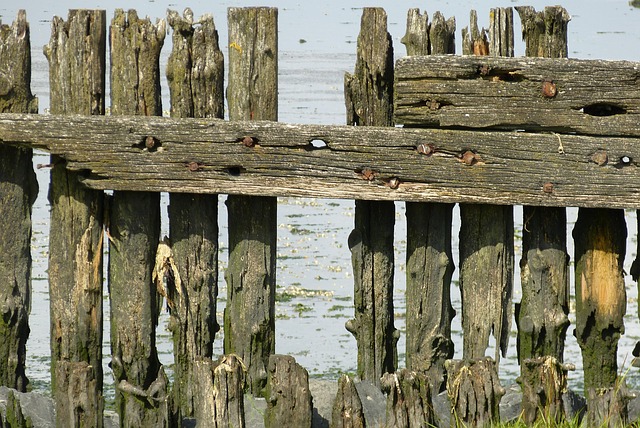
“Revitalize your outdoor space and protect your wooden fences with the transformative power of staining and sealing—a crucial duo for any homeowner seeking to enhance curb appeal and extend fence life. This comprehensive guide unveils the secrets to achieving a stunning finish, from choosing the perfect stain to masterfully applying it and locking in durability with sealing techniques. We demystify the process, ensuring you’re equipped with the knowledge to transform your wooden fences into eye-catching, long-lasting features that stand the test of time.”
- Understanding Fence Staining Benefits
- Choosing the Right Stain for Your Wood
- Preparation: A Key to Success in Staining
- Applying Stain: Step-by-Step Guide
- Sealing for Longevity and Protection
Understanding Fence Staining Benefits
When it comes to protecting and enhancing your wooden fence, staining and sealing are essential steps that offer numerous benefits. These processes not only improve the aesthetic appeal but also provide long-lasting durability against the elements. Here’s why investing in fence staining and sealing is a wise decision for any homeowner.
Wooden fences, over time, can suffer from exposure to sun, rain, and extreme temperatures, leading to fading, cracking, and rot. Fence staining acts as a barrier by blocking out moisture and UV rays, which are the primary causes of wood deterioration. By applying a quality stain, you create a protective layer that shields the fence from environmental damage. This is especially crucial for exterior spaces where fences are constantly exposed to varying weather conditions.
Sealing further complements the protection offered by staining. It fills in pores and imperfections in the wood, preventing moisture from seeping in. A good seal ensures that the stain stays put, maintaining its effectiveness for a more extended period. This dual approach not only extends the life of your fence but also saves you from frequent repairs or replacements, which can be costly. Additionally, stained and sealed fences are easier to clean and maintain, ensuring they remain looking their best with minimal effort.
Choosing the Right Stain for Your Wood
Choosing the right stain for your wooden fence is a crucial step in maintaining its beauty and longevity. The first consideration is understanding your wood’s natural characteristics—light or dark tones, smooth or textured grain—as this guides selection. For example, lighter woods often look best with semitransparent stains that enhance the wood’s natural color, while darker woods may suit solid colors or staining techniques that create contrast.
Another factor to keep in mind is your fence’s intended use and exposure. If it’s in a high-traffic area or receives significant sunlight, opt for a stain with good fade resistance and water repellency. Semi-transparent stains offer moderate protection while allowing some wood grain to show through, while solid color stains provide higher opacity and durability against fading.
Weather conditions also play a role. In humid climates, consider stains designed to resist mold and mildew growth. Additionally, choosing the right application method—brushing, rolling, or spraying—is key for even coverage and long-lasting results. Always follow manufacturer instructions for best outcomes.
Preparation: A Key to Success in Staining
Preparing your wooden fence for staining is a crucial step that ensures the best possible results. Before you begin, take time to assess the condition of your fence and make any necessary repairs. Check for loose or damaged boards, rotten sections, and secure all hardware. This process may involve replacing old, deteriorated wood with new materials to create a smooth surface for staining.
Cleaning is another vital aspect of preparation. Remove dirt, dust, mildew, and any previous coatings or stains using a pressure washer or a stiff brush. This step might seem like overkill but it’s essential to achieve a professional finish. After cleaning, allow the fence to dry completely to prevent premature fading or blisting in the final stain. You can also use this time to sand any rough spots for a smoother, more even application of the stain.
Additionally, consider the season and weather conditions when preparing for staining. Ideal conditions include outdoor temperatures between 60-80°F (15-27°C) with low humidity levels. Avoid staining during extreme heat or cold, as this can impact the product’s performance and drying time. Proper preparation ensures that your fence not only looks its best but also stands the test of time, enhancing its lifespan and maintaining its aesthetics.
Applying Stain: Step-by-Step Guide
Applying Stain: Step-by-Step Guide
Staining a wooden fence is an excellent way to enhance its beauty and protect it from the elements. The process involves several steps that require careful preparation and precise application. By following these guidelines, you’ll achieve a professional-looking finish that not only improves your fence’s appearance but also prolongs its lifespan. This step-by-step guide will walk you through the process of applying stain to your wooden fence, ensuring optimal results.
First, ensure your fence is clean and free from dirt, dust, or loose debris. Power washing is an effective way to remove any buildup, providing a clean slate for staining. After thorough drying, select your desired stain color and type. Different stains offer varying levels of protection and aesthetics, so choose based on your needs. Next, gather your tools: brushes, rollers, trays, rags, and protective gear like gloves and goggles. Proper preparation is key to avoiding stains on your skin or clothes.
Begin by cutting in, which involves applying the stain directly with a brush along fence boards’ edges and corners. This step ensures even coverage. Follow up with rolling, using a suitable roller for larger areas to achieve smooth, consistent application. Work in small sections, allowing each area to dry slightly before moving on. Always refer to the manufacturer’s instructions for drying times. Finally, allow the entire fence to cure as recommended, providing a deep, long-lasting color and protection.
Sealing for Longevity and Protection
Wooden fences, when properly sealed and stained, can last for years while maintaining their beauty and integrity. Sealing is a crucial step in protecting your fence from the elements, including harmful UV rays, rain, snow, and extreme temperatures. This process creates a barrier that prevents moisture from penetrating the wood, which can cause rot, warping, or peeling.
Choosing the right sealant is key. Water-based sealers are popular because they offer good protection while emitting fewer fumes than oil-based options. They also dry quickly and leave a natural finish that enhances the wood’s appearance. For harsher environments, consider using a sealant with UV protection to shield against sun damage.
Regular sealing, typically every 1-3 years depending on exposure, is essential. Even if your fence has been previously stained or sealed, environmental factors can break down the existing barrier over time. Inspect your fence regularly for signs of wear and tear, such as chipping paint or splinters, to ensure it stays protected. By maintaining a proper sealing routine, you’ll extend the life of your wooden fence, saving you money on costly repairs or replacements in the future.
Related Resources
Here are 5-7 authoritative resources for an article about Fence Staining and Sealing for wooden fences:
- Home Depot (Retailer’s Guide): [Offers practical DIY guides, including fence staining and sealing techniques.] – https://www.homedepot.com/c/fence-stain-sealer-guide
- Paint & Stain Guide by Sherwin-Williams (Industry Leader): [Provides detailed information on choosing stains, finishes, and sealing methods for wood fences.] – https://www.sherwin-williams.com/learn/paint-and-stain/wood-fences
- USDA Forest Service – Wood Protection (Government Portal): [Offers scientific insights into protecting wooden fences from decay and weather damage.] – https://www.fs.usda.gov/wood-protection
- Hiring a Professional Fence Contractor (National Association of Home Builders): [Guides homeowners on when and how to hire professionals for fence staining and sealing projects.] – https://nahb.org/homeowners/hiring-a-professional/fence-contractor
- The Family Handyman (Online Magazine): [Features step-by-step instructions and expert tips for staining and sealing wooden fences.] – https://www.familyhandyman.com/outdoor-projects/fences/stain-and-seal-a-wooden-fence/
- National Paints & Coatings Association (NPCA) (Industry Association): [Provides industry insights into best practices for fence staining and sealing, including environmental considerations.] – https://npca.org/
- This Old House (Home Improvement Media): [Offers expert advice on a range of home improvement topics, including fence maintenance and finishing.] – https://www.thisoldhouse.com/
About the Author
Meet Robert Johnson, a seasoned professional with over 20 years of expertise in fence staining and sealing. Certified by the National Wood Preservation Association (NWPA), Robert is renowned for his meticulous techniques and eye for detail. As a contributing writer for Home Improvement Magazine, he shares insights on the latest trends and best practices. His work spans commercial and residential projects, demonstrating his versatility and commitment to top-notch craftsmanship. Follow Robert’s expert advice on LinkedIn for timeless tips on enhancing outdoor spaces.