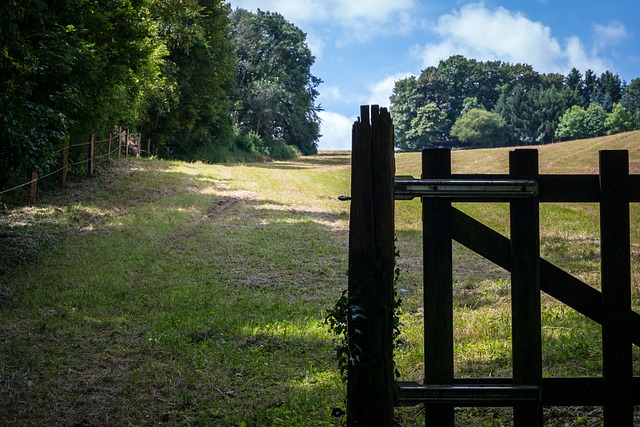
When it comes to fortifying coastal boundaries, durable wooden fencing stands as a testament to enduring craftsmanship and resilient design. This article delves into the pivotal aspects of selecting robust materials for coastal fencing, emphasizing the importance of wind and salt resistance in design. We explore effective maintenance strategies that extend the lifespan of these natural barriers, ensuring they withstand the rigors of marine environments. Through case studies highlighting successful installations, readers will glean valuable insights into achieving sustainable durability in wooden fencing along coastlines. Join us as we navigate the intricate interplay between material selection, design ingenuity, and maintenance practices that make coastal wooden fencing not just a barrier, but a bastion of resilience against the elements.
- Material Choices for Resilient Coastal Wooden Fencing
- Design Considerations for Wind and Salt Resistance
- Maintenance Strategies to Sustain Durability
- Case Studies: Successful Wooden Fencing in Coastal Environments
Material Choices for Resilient Coastal Wooden Fencing
When selecting materials for durable wooden fencing in coastal areas, it is critical to consider the harsh environmental conditions that include salty sea air, high humidity, and potential water exposure. The choice of wood species plays a pivotal role in ensuring longevity. Species such as cedar, redwood, and cypress are preferred due to their natural resistance to rot and decay. Pressure-treated woods, impregnated with preservatives like alkaline copper quaternary (ACQ) or copper azole (CA), can also be effective in extending the lifespan of the fencing by providing additional protection against fungal decay and insects.
For enhanced resilience, fencing designs often incorporate robust hardware and galvanized or stainless-steel fasteners to resist corrosion. Additionally, selecting the right preservation treatments, such as coatings that shield the wood from ultraviolet (UV) rays, can further protect the integrity of the fence. Regular maintenance, including cleaning, inspecting for damage, and reapplying protective finishes, is also essential to maintain the fencing’s performance and appearance over time. Incorporating design elements like ample spacing between planks to allow for air circulation and quick drying can also mitigate the impact of moisture on the wood. By carefully considering these material choices and maintenance practices, coastal wooden fencing can provide long-lasting security and aesthetics.
Design Considerations for Wind and Salt Resistance
When designing wooden fencing for coastal areas, it is imperative to account for the unique environmental conditions that prevail along the shoreline. The relentless salt spray from ocean waves can corrode metal fasteners and degrade wood over time unless the materials used are specifically chosen for their resilience to these conditions. Wood species such as cedar, redwood, and cypress, known for their natural resistance to decay and rot, are often preferred. Design elements must incorporate features that facilitate the flow of air, mitigating the impact of strong coastal winds which can exert considerable force on fencing structures. This can be achieved by selecting an open lattice design or incorporating wider spacing between slats to allow for better ventilation and reduce the likelihood of wind causing structural damage.
Furthermore, the orientation and alignment of wooden planks should be strategic to minimize areas where water can pool and accelerate deterioration. Elevating the fence above ground level, using rot-resistant posts set in concrete, and employing weatherproof sealants and finishes are additional design considerations that enhance the longevity of the fencing. The use of durable, galvanized or stainless steel hardware is also crucial to resist the corrosive effects of saltwater exposure. By integrating these design strategies, wooden fencing can provide a durable, attractive, and functional barrier for coastal properties for many years.
Maintenance Strategies to Sustain Durability
When installing durable wooden fencing in coastal areas, maintenance strategies are pivotal to ensure longevity and resist the harsh conditions that include salty air, high winds, and potential storm surges. Regular inspection is a key component of maintenance, allowing for early detection and timely addressing of any issues such as rot, rust, or splintering. Employing pressure-treated wood that’s resistant to decay and leaching is a proactive step; it enhances the fencing’s ability to withstand environmental stressors. Additionally, using the right type of preservative treatments can shield the wood from water damage and pests.
To maintain durability, it is advisable to clean the fence periodically with fresh water to remove salt deposits that can accumulate from coastal breezes. Employing a soft-bristled brush to gently scrub the wood helps prevent damage to the finish or grain. Staining or painting the fence with marine-grade coatings provides an additional layer of protection against the elements. These coatings should be applied every two to three years, or more frequently if subjected to extreme conditions, to maintain a waterproof barrier and preserve the wood’s appearance. Regular maintenance not only extends the lifespan of wooden fencing but also ensures it remains a functional and attractive boundary feature for coastal properties.
Case Studies: Successful Wooden Fencing in Coastal Environments
In coastal environments, durable wooden fencing requires careful selection of materials and design to withstand the unique challenges posed by salty air, high humidity, and frequent exposure to windborne salt spray. Case studies of successful installations provide valuable insights into the best practices for achieving longevity in these demanding conditions. For instance, a notable project involved the use of naturally rot-resistant wood species, such as cedar or redwood, treated with appropriate preservatives. These materials were selected for their inherent properties and proven ability to resist decay. Furthermore, the design incorporated a strategic overhang and minimal ground contact to reduce moisture accumulation, a common cause of wood deterioration. Regular maintenance, including thorough cleaning and re-treatment at specified intervals, was also part of the routine upkeep, contributing to the fence’s enduring presence along the coastline. Another successful case study highlighted the use of marine-grade stainless steel fasteners and galvanized hardware that resisted corrosion, ensuring the structural integrity of the fencing system over time. Additionally, the design featured a ventilated gap between the ground and the bottom fence panel to allow air circulation and prevent wood rot from soil moisture. These examples underscore the importance of material choice, design considerations, and maintenance schedules in creating wooden fences that stand the test of coastal conditions, offering both functionality and aesthetics for many years.