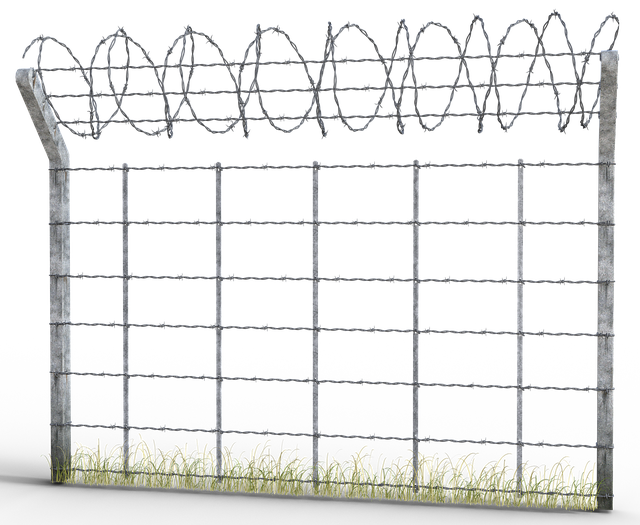
Exploring cost-effective fencing solutions tailored for vast properties can significantly enhance security and property boundaries without depleting your budget. This article navigates through a range of affordable options suitable for extensive lands, offering insights into how eco-conscious barriers not only align with sustainable practices but also yield long-term savings. We delve into practical DIY installation tips to minimize labor expenses, and we explore maximizing durability using economical materials without compromising on quality. Additionally, maintaining your fence becomes a cost-efficient endeavor over time with the right approach. Whether you’re securing a farm, ranch, or estate, these solutions cater to your needs while ensuring your investment remains robust and enduring.
- Budget-Friendly Fencing Options for Extensive Land
- Evaluating Costs: Long-Term Savings of Eco-Friendly Barriers
- DIY Installation Tips to Reduce Labor Costs on Large Properties
- Maximizing Durability with Affordable Material Choices
- Maintaining Your Fence: Keeping Costs Low Over Time
Budget-Friendly Fencing Options for Extensive Land
When securing vast tracts of land, it’s crucial to balance security, durability, and cost efficiency. Budget-friendly fencing options for extensive land are not just about saving money upfront; they also involve long-term considerations such as maintenance and longevity. High tensile steel wire fences offer a robust solution that provides both containment and security without the need for extensive labor or materials. They are particularly well-suited for large properties due to their ability to span long distances with minimal supports, making them a cost-effective choice for open landscapes. Additionally, chain link fences, often coated with a protective layer of vinyl or aluminum, provide a durable barrier that can stand up to various environments and are relatively easy to install and repair as needed. For those looking for a more natural aesthetic, split rail wooden fencing is an economical option that blends functionality with a rustic charm. This type of fencing uses wooden posts and rails, which can be sourced from renewable resources, making it not only budget-friendly but also environmentally conscious. Each of these options serves the practical purpose of delineating property boundaries while offering a choice to fit different preferences and terrain types, ensuring that large properties are both secure and cost-effective to enclose.
Evaluating Costs: Long-Term Savings of Eco-Friendly Barriers
When considering the installation of fencing for large properties, it’s crucial to evaluate both the immediate costs and the long-term benefits. Eco-friendly barriers often present as a more cost-effective solution in the latter regard. Initial expenses may be higher than traditional options, but their sustainability attributes can lead to significant savings over time. These barriers are typically constructed from recycled or renewable materials, reducing the environmental impact and associated waste disposal costs. Moreover, their durability often means less maintenance is required, avoiding the recurring expenses of upkeep. Additionally, eco-friendly fencing may be eligible for tax incentives or rebates, further offsetting the initial investment. By carefully analyzing these long-term savings and environmental benefits, property owners can make informed decisions that not only protect their assets but also contribute to a greener planet. The choice of an environmentally conscious fencing solution can thus be seen as a strategic financial decision rather than just an eco-friendly one.
DIY Installation Tips to Reduce Labor Costs on Large Properties
When considering cost-effective fencing solutions for large properties, one effective way to reduce labor costs is by opting for a DIY installation approach. This method not only involves a significant amount of planning and preparation but also adherence to local building codes and regulations. Before commencing the project, it’s crucial to have a clear understanding of the property boundaries, terrain, and any underground utilities present to avoid costly mistakes. Utilize detailed plans and precise measurements to layout your fence lines efficiently. For electric or barbed wire fences, ensure proper grounding and spacing for safety and effectiveness.
Selecting the right equipment and materials beforehand can save time and effort during installation. Renting or purchasing a post-hole digger or auger can greatly accelerate the process of setting posts, which are the foundation of any sturdy fence. Additionally, investing in high-quality tools such as a level, tape measure, and wheelbarrow will facilitate accurate work. Pre-fabricated sections or panels can be used for certain types of fencing, which can simplify the installation process by minimizing on-site cutting and fitting, thus saving time and labor. Remember to allocate time for rest and breaks to maintain efficiency throughout the project. With careful planning and a methodical approach, DIY fence installation can be a viable option for large properties, resulting in substantial savings on labor costs while achieving a secure and functional boundary.
Maximizing Durability with Affordable Material Choices
When securing large properties on a budget, finding cost-effective fencing solutions that don’t compromise on durability is paramount. One such material that balances strength and affordability is high-tensile steel. This robust material can be constructed into various configurations, offering both privacy and security. It’s also low maintenance, reducing long-term costs associated with upkeep. Additionally, steel fencing can be designed to mimic the look of more expensive materials like wrought iron, providing an aesthetic appeal without the premium price tag.
Another durable and economical option is treated wood. Sourcing sustainably harvested timber ensures environmental considerations are met while providing a natural and sturdy barrier. The longevity of wood fencing can be significantly extended with proper treatment against rot, pests, and harsh weather conditions. Combining this with smart design choices, such as optimal spacing between posts and selecting heartwood species known for their resilience, can further enhance the lifespan and resistance to environmental factors, making treated wood a wise choice for large properties seeking durability without overspending.
Maintaining Your Fence: Keeping Costs Low Over Time
Regular maintenance is key to prolonging the lifespan of your fence and keeping long-term costs low. A well-maintained fence not only enhances the aesthetic appeal of your property but also provides a practical barrier that deters unauthorized access. To maintain your fence effectively, start by performing routine inspections at least twice a year, preferably after extreme weather events. Look for signs of wear and tear, such as loose or rotting posts, sagging sections, or rust on metal fences. Tighten any loose hardware, replace damaged boards promptly, and address issues like overgrown vegetation that might be obscuring the fence or causing damage.
Using durable materials from the outset can also reduce maintenance costs over time. For instance, opting for rot-resistant wood species or composite materials for wooden fences, and galvanized steel or aluminum for metal ones, can minimize the frequency of repairs. Additionally, treatment with weatherproof sealants or paints can protect against environmental damage. When it comes to vinyl or chain link fences, regular cleaning with a mild detergent solution can prevent dirt and grime from causing permanent stains. Regardless of the material, keeping your fence clean not only improves its appearance but also makes it easier to spot issues before they become costly repairs. Proactive maintenance is your best defense against costly fencing repairs, ensuring that your property’s boundary remains secure and attractive for years to come.