When considering the myriad of fencing solutions for large properties, the focus often shifts towards cost-effectiveness while maintaining security and aesthetics. This article delves into prudent strategies for evaluating your property’s specific fencing needs, exploring budget-conscious material options tailored for expansive spaces, and detailing installation techniques that minimize costs without compromising on quality. Furthermore, we will discuss maintenance plans that not only ensure the longevity of your fence but also provide insights into long-term cost savings. Whether you’re securing a ranch, farm, or estate, these comprehensive approaches will guide you towards making informed decisions for your fencing investments.
- Evaluating Your Large Property's Fencing Needs
- Budget-Friendly Material Options for Large Properties
- Installation Strategies to Minimize Costs on Large Acreages
- Maintenance Plans and Long-Term Cost Savings for Fencing Solutions
Evaluating Your Large Property's Fencing Needs
When assessing your large property’s fencing needs, it’s crucial to consider several factors that will influence the type of fencing solution most suitable for your landscape. Begin by evaluating the purpose of the fence, whether it’s for privacy, security, containment, or aesthetics. The topography and layout of your land should also guide your decision; hilly or uneven terrain may necessitate a more adaptable fencing system. Consider the environmental conditions prevalent in your area, such as high winds, heavy snowfall, or frequent flooding, which can impact the durability and maintenance requirements of different fencing materials. The size of your property will dictate the scale of your project and could influence the choice of materials due to cost and availability. Additionally, local regulations and homeowners’ association rules might impose restrictions on fencing types and heights. It’s advisable to conduct a thorough site assessment, which includes noting any underground utilities or natural features that may affect installation. By carefully considering these aspects, you can select a fencing solution that meets both your needs and budget while providing the necessary protection and enhancements to your property.
In terms of maintenance, some materials require more upkeep than others, affecting the long-term cost-effectiveness of your chosen system. For instance, wooden fences might be initially cheaper but could need frequent treatment to withstand rot or pests. Conversely, materials like vinyl or composite fencing might have a higher initial cost but offer greater longevity and lower maintenance needs over time. Similarly, the choice between chain link, barbed wire, or a privacy fence will vary depending on the balance between immediate investment and future expenses. Engaging with local fencing contractors can provide insights into the most cost-effective options for your specific situation, taking into account both the upfront costs and the projected long-term savings. This professional guidance is invaluable in ensuring that your fencing not only meets your needs but also remains a sound financial decision over the years.
Budget-Friendly Material Options for Large Properties
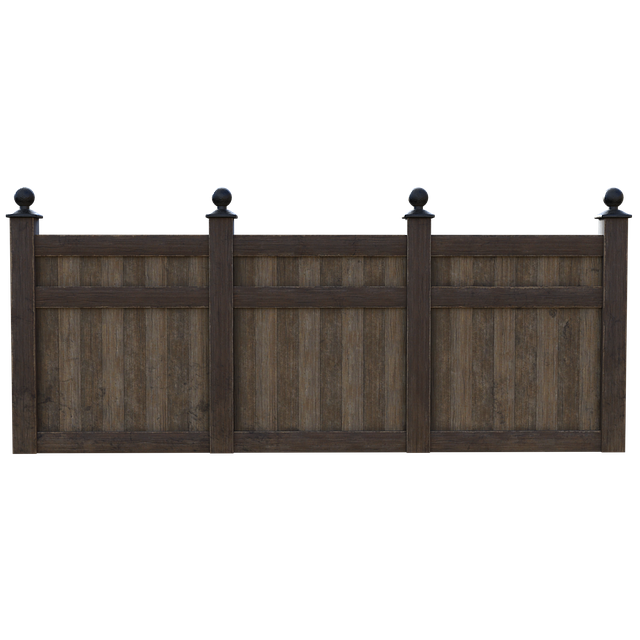
When considering cost-effective fencing solutions for large properties, it’s crucial to evaluate materials that offer both durability and affordability. High-tensile vinyl or PVC coated chain link fences are popular choices due to their longevity and low maintenance requirements. These fences can span a variety of heights, deterring intruders while providing clear visibility, which is ideal for large estates that require surveillance or animals that need containment. Another budget-friendly option is wood, particularly if sourced from sustainable forests. Wooden fences, especially those constructed with prefabricated panels, can be a cost-effective solution, and they offer the added benefit of versatility in design. While wood does require more upkeep than some synthetic alternatives to prevent rot and weather damage, treatments like creosote or modern preservatives can extend its lifespan significantly. Additionally, composites made from recycled materials mimic the appearance of wood without the same level of maintenance, offering an eco-friendly alternative that still keeps costs in check. When selecting a material, it’s important to consider factors such as climate conditions, soil type, and local regulations, ensuring that the chosen fencing solution will endure over time without exceeding budget constraints.
Installation Strategies to Minimize Costs on Large Acreages
When implementing cost-effective fencing solutions for large acreages, strategic planning in installation is paramount to minimize expenses. One effective approach is to assess the property’s terrain and natural features to optimize fence placement. Fences should follow the contours of the land, aligning with existing barriers like roads or waterways where possible. This not only reduces material usage but also labor costs associated with uneven or challenging terrain. Additionally, utilizing a combination of fencing types can cater to different needs across the property; for instance, areas requiring high security might necessitate more robust fencing, while less sensitive zones could be adequately secured with simpler, yet effective, barriers.
To further reduce costs, consider the lifecycle of the fencing materials. Opting for durable and low-maintenance options initially may incur a higher upfront cost but will save money over time by reducing the need for frequent repairs or replacements. Planning the installation process with efficiency in mind is also crucial; this includes scheduling work crews during off-peak seasons to take advantage of lower labor rates and ensuring the workflow is uninterrupted to avoid additional labor costs. By carefully considering these factors and implementing strategic installation strategies, landowners can effectively contain costs while securing large properties effectively.
Maintenance Plans and Long-Term Cost Savings for Fencing Solutions
When considering cost-effective fencing solutions for large properties, a well-designed maintenance plan is a critical component that can significantly influence long-term savings. Opting for durable materials such as vinyl or composite fencing not only offers longevity but also minimizes the frequency and cost of repairs. These materials are resistant to environmental factors like rot, rust, and pests, which often afflict wood and metal fences. A maintenance plan should outline regular inspections to address minor issues before they escalate into more expensive problems.
In addition to durable construction, the choice of installation method can also impact long-term costs. For instance, installing fence posts in concrete can provide stability that reduces the likelihood of future repairs or adjustments. Similarly, selecting a fencing style that complements the property’s layout can prevent the need for additional barriers or structures down the line. By carefully considering the initial investment in both materials and professional installation services, property owners can avoid the pitfalls of frequent maintenance and unexpected costs associated with less durable options. This proactive approach to fencing ensures that the property is protected without compromising on financial prudence over time.