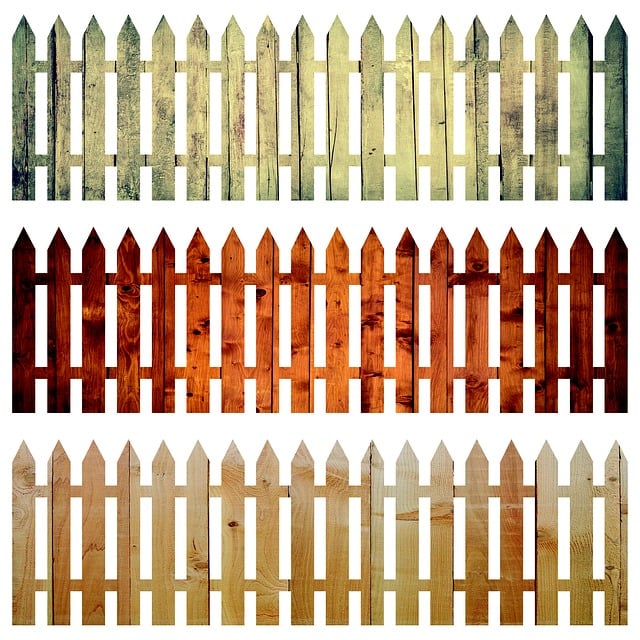
In New Bedford, Massachusetts, fences stand as silent sentinels against the elements, safeguarding properties year-round. As seasons shift, so too do the maintenance needs of these barriers. This article delves into tailored recommendations for seasonal fence upkeep, ensuring that each plank and post withstands the test of time and weather. From assessing the impact of New Bedford’s climate on various fence types to detailed guidance on protecting your investment during each season, homeowners will find vital strategies to maintain their fences’ integrity and beauty throughout the year. Whether your barrier is wooden, metal, or vinyl, these recommendations will help you prepare for the challenges that each season brings.
- Assessing Fence Types in New Bedford's Climate
- Spring Maintenance Essentials for Wooden Fences
- Summer Upkeep for Metal and Vinyl Barriers
- Autumn Preparations for Fences to Withstand Winter
- Winter Care for Fences: Protection Against Snow and Ice Damage
Assessing Fence Types in New Bedford's Climate
When considering fence maintenance for properties in New Bedford, Massachusetts, it’s crucial to account for the local climate and its impact on different types of fencing materials. The region experiences a mix of humid and moderately cold winters with high humidity levels, which can affect wood-based fences more prominently than metal or composite options. Wooden fences, particularly those made of cedar or pine, should be regularly inspected for signs of rot, insect infestation, and warping due to the climate’s moisture content. In contrast, vinyl and aluminum fences are less susceptible to these environmental factors and typically require less frequent maintenance. However, they too can suffer from issues like fading or corrosion over time, necessitating occasional cleaning and protective treatments to maintain their appearance and functionality.
For property owners with wooden fences, an annual inspection in the early spring, after the harsh winter has passed, is advisable. This allows for timely repairs and weatherproofing before the wet summer months. Any damaged sections should be promptly addressed by either repairing or replacing them to prevent further deterioration. For metal and composite fences, an annual cleaning with a mild detergent solution followed by a protective coating application can help safeguard against environmental aggressors. Additionally, checking for any signs of rust on metal fences or wear and tear on hinges and fasteners is important to ensure the fence remains secure and intact throughout the changing seasons. Regular maintenance tailored to the specific type of fence and New Bedford’s climate will help extend its lifespan and maintain the property’s curb appeal.
Spring Maintenance Essentials for Wooden Fences
As the snow melts and warmer weather graces New Bedford, Massachusetts, it’s time to turn your attention to the upkeep of your wooden fence—a structure that endures the harsh elements throughout the year. Spring maintenance is crucial for preserving the integrity and appearance of your wooden fence. Begin by thoroughly inspecting the entire fence for any damage sustained during the winter months. Look out for split rails, loose pickets, or posts that have shifted. Repair any structural issues promptly to prevent further deterioration. Use galvanized nails or screws to fasten any loose components, ensuring a secure fit.
After addressing structural integrity, focus on cleaning the fence. Remove accumulated debris, moss, and algae using a soft-bristled brush and a mild detergent mixed with water. For stubborn stains or mold, a solution of oxygenated bleach and water can be applied, followed by a thorough rinsing to maintain the natural finish of the wood. Once clean, consider applying a fresh coat of stain or paint appropriate for the type of wood you have. This not only enhances the visual appeal but also provides a protective layer against UV rays, moisture, and pests. Ensure the material is eco-friendly and allows the wood to breathe, promoting longevity and durability throughout the seasons to come.
Summer Upkeep for Metal and Vinyl Barriers
During the summer months, metal and vinyl fences in New Bedford, Massachusetts, are subject to intense heat and humidity, which can accelerate wear and tear if not properly maintained. Homeowners should prioritize inspecting their metal and vinyl barriers for any signs of rust or corrosion on the metal components, as these can weaken the structure and lead to eventual failure. For vinyl fences, summer upkeep involves checking for cracks, fading, or discoloration, which may indicate exposure to harsh UV rays. Regular washing with a mild detergent and a soft-bristled brush will help maintain the appearance of vinyl fences, while rust inhibitors applied to metal fences can protect them from corrosion.
Additionally, during this season, it’s crucial to keep both types of fencing clear of any overgrowth from nearby vegetation that may cause physical damage or provide a medium for pests. Trim back any plants that are in close proximity to the fence to prevent such issues. If paint or coating is present on the metal sections, check for chipping or peeling and touch up these areas promptly to maintain the protective barrier against the elements. Lastly, ensuring proper drainage around the fence base will help prevent water damage from summer storms, safeguarding the integrity of the fence throughout the season. Regular maintenance during the summer not only extends the life of metal and vinyl fences but also preserves their aesthetic value, enhancing the overall curb appeal of New Bedford properties.
Autumn Preparations for Fences to Withstand Winter
As autumn leaves begin their descent, New Bedford property owners should turn their attention to fence maintenance to prepare for the harsh winter months ahead. The changing seasons bring about distinct environmental challenges that can impact the integrity and longevity of fencing structures. To ensure fences withstand the rigors of winter, it’s crucial to address potential issues before the cold sets in. Start by inspecting your fence for any visible damage, such as loose boards, rusted hardware, or broken posts. These should be repaired promptly to prevent further deterioration when snow and ice are added to the equation. Clear away any debris that could trap moisture against the wood or metal, leading to rot or corrosion.
For wooden fences, consider applying a fresh coat of weather-resistant paint or stain to protect against the elements. This protective layer helps maintain the wood’s natural resistance to water intrusion and ultraviolet rays. Additionally, secure any loose panels or gates to prevent them from being damaged by wind or heavy snowfall. For chain link fences, clean all metal components and apply a rust-inhibitive coating to mitigate corrosion from road salt and snow melt products often used during the winter months. Also, ensure that any drainage around your fence is functioning correctly to prevent water from pooling and seeping into the soil near your fence’s base, which can cause shifting or heaving when frozen. By taking these proactive steps in the fall, New Bedford residents can safeguard their fences against winter’s challenges and maintain a well-protected boundary throughout the season.
Winter Care for Fences: Protection Against Snow and Ice Damage
As New Bedford, Massachusetts experiences the harsh winter conditions with snowfall and ice accumulation, property owners must take proactive steps to safeguard their fences against potential damage. The weight of snow can be detrimental to fencing structures, causing bending or even toppling in extreme cases. To prevent such occurrences, it is advisory to clear snow from the top of fences promptly after each snowfall event. Utilize a push broom or an extendable snow brush to gently remove the snow without applying excessive force that could harm the fence material. Additionally, for those with wooden fences, regularly applying a protective sealant prior to winter can help mitigate moisture absorption and swelling due to freezing temperatures. Metal fences, particularly those composed of iron or steel, should be treated with a rust-inhibitive paint or coating to prevent corrosion from salt used on roadways and walkways, which can seep onto the fence surface. Homeowners with vinyl or chain link fences should inspect for any signs of wear or looseness that could be exacerbated by winter’s weight and take corrective action as needed. By taking these preventative measures, residents of New Bedford can ensure their fences remain intact and functional throughout the cold season and maintain their property’s aesthetic appeal.