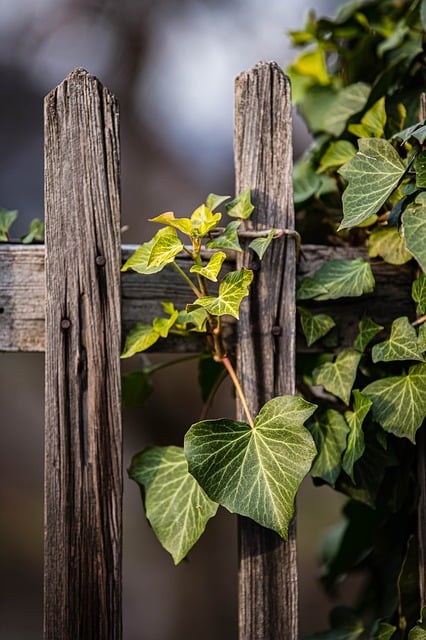
When securing expansive grounds, discerning between cost-effective fencing solutions and robust barriers can be daunting. This article navigates through the myriad options available for large properties, ensuring your investment is both protective and economical. From evaluating specific fencing needs to strategically planning layouts for optimal security and efficiency, we explore how to select the right materials without breaking the bank. Additionally, we delve into the importance of long-term maintenance to sustain the integrity of your fence while keeping costs low over time. Whether you’re safeguarding a residential estate or a commercial property, this guide provides a comprehensive approach to cost-effective fencing solutions tailored to large properties.
- Evaluating Your Large Property's Fencing Needs
- Budget-Friendly Material Options for Effective Barriers
- Strategic Layout Planning for Maximum Security and Efficiency
- Long-Term Maintenance Considerations to Keep Costs Low
Evaluating Your Large Property's Fencing Needs
When assessing your large property’s fencing needs, it’s crucial to consider both the physical characteristics of the land and the intended purpose of the fence. Initial evaluations should focus on identifying the boundary lines clearly to ensure that the chosen fencing solution complements these parameters. Factors such as terrain, climate, and local wildlife behavior can influence the type of fencing that will be most effective. For instance, a rolling landscape might necessitate flexible fencing options like wire mesh or electric fencing, which can adapt to the varying topography without compromising on security or aesthetics.
In addition to physical considerations, determine the function the fence will serve. Are you looking to enhance privacy, keep livestock contained, or secure the property against unauthorized access? Each purpose may dictate different materials and designs. For privacy, wood fences or solid vinyl options might be preferred, while for containing animals, a more robust and perhaps taller barrier might be required. Considering the lifecycle costs of maintenance, durability, and ease of repair are also key factors in selecting a cost-effective solution that will stand the test of time without frequent replacement or significant upkeep. By carefully analyzing these aspects, you can choose a fencing option that meets both your immediate needs and long-term financial considerations.
Budget-Friendly Material Options for Effective Barriers
When securing large properties on a budget, it’s crucial to consider cost-effective material options that still provide robust barriers. High-tensile steel wire fencing is an economical choice that offers both durability and flexibility. It can be installed at varying heights depending on the level of security required, and its resistance to environmental factors like rust makes it a long-term solution. Additionally, chain link fences are renowned for their strength and longevity, with the added benefit of being easily repairable and scalable to property size. For those looking for a more natural-looking alternative, wooden fences can be constructed using cost-efficient materials like treated pine or cedar, which offer a classic aesthetic while deterring intruders effectively. Barbed wire strung along the top of any of these fencing types can serve as an additional deterrent without significantly increasing costs. When selecting material, it’s important to balance the upfront investment with long-term maintenance and durability, ensuring that the chosen solution remains a cost-effective choice over time.
Strategic Layout Planning for Maximum Security and Efficiency
When implementing cost-effective fencing solutions for large properties, strategic layout planning is paramount to achieve both maximum security and efficiency. The layout should be designed with the property’s specific vulnerabilities and topography in mind. Identifying key points of entry and exit, as well as natural barriers like water bodies or dense foliage, can significantly enhance the fencing system’s effectiveness without necessitating extensive physical barriers in those areas. A well-planned layout will also incorporate zones of varying security levels, which can be a cost-effective approach to protecting critical infrastructure or sensitive areas. The use of varying fence heights, materials, and gate placement can create a layered defense that deters intruders while optimizing maintenance and operational costs. Additionally, the integration of surveillance systems with motion sensors can complement the physical barriers, providing an additional layer of security without significant additional investment. This thoughtful approach to layout planning ensures that resources are allocated efficiently, creating a robust security system that protects the property’s perimeter effectively. It is through this strategic planning that large properties can maintain their security without compromising on cost-effectiveness.
Long-Term Maintenance Considerations to Keep Costs Low
When considering long-term maintenance for cost-effective fencing solutions on large properties, it’s crucial to evaluate materials and designs that offer both durability and ease of upkeep. Wooden fences, while aesthetically pleasing, require regular treatment against rot, pests, and weather damage. To mitigate these costs, opting for rot-resistant wood species or composite materials that mimic the look of wood but with less maintenance can be a wise choice. Additionally, implementing a routine inspection schedule can help catch issues early, reducing the need for costly repairs.
Metal fencing options like aluminum or steel offer longevity and strength with minimal upkeep. Galvanized steel or powder-coated aluminum can resist rust and corrosion, ensuring the fence remains intact without frequent repainting or refinishing. When selecting a metal fence, consider the local climate conditions to ensure the chosen material can endure environmental factors such as salt air, heavy snow loads, or intense sun exposure. Regular cleaning and occasional touch-ups can maintain its appearance without significant investment in time or money. It’s also beneficial to choose fencing installers with a solid reputation for quality workmanship to minimize long-term maintenance costs.