When it comes to enhancing your New Bedford home with a new fence, the journey begins with selecting the most suitable material that withstands the local climate’s elements. This article guides homeowners through each step of the DIY fence installation process, from choosing durable and weather-resistant materials to meticulously preparing your site for a solid foundation. We delve into the nuances of post installation and attaching panels or picketings with precision, ensuring your boundary is both secure and aesthetically pleasing. Furthermore, we cover the essential finishing touches, such as fitting gates seamlessly and providing maintenance tips to maintain your fence’s integrity for years to come. Whether you aspire to boost privacy, security, or curb appeal, this comprehensive guide will equip you with the knowledge to execute your project successfully.
- Choosing the Right Fencing Materials for New Bedford's Climate
- Site Preparation: Steps for Leveling and Marking Your Property
- Installation Techniques: Erecting Posts and Attaching Panels or Picketings
- Finishing Touches: Gates, Caps, and Maintenance Tips for Longevity
Choosing the Right Fencing Materials for New Bedford's Climate
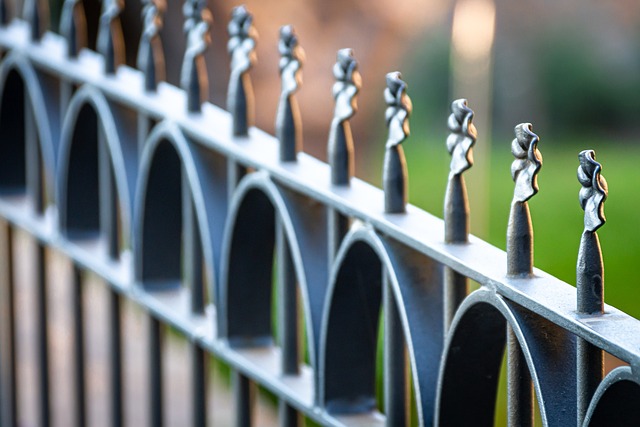
When selecting fencing materials for a New Bedford, Massachusetts home, it’s crucial to consider the local climate and environmental factors. The region experiences significant humidity and can endure harsh winter conditions, which means durability and weather resistance should be top priorities. Wooden fences, a popular choice, require regular maintenance to withstand the elements; therefore, pressure-treated pine or cedar, known for their resilience and longevity, are recommended. For those seeking low-maintenance options, vinyl and composite fencing materials offer a longer lifespan with minimal upkeep. They resist rot, warping, and fading, making them suitable for New Bedford’s climate. Additionally, aluminum and steel fences provide excellent durability and are virtually maintenance-free, though they may require painting or coating to protect against rust over time. Whatever material you choose, ensure it aligns with both your aesthetic preferences and the practical demands of the local environment to maintain a functional and attractive boundary for years to come.
Site Preparation: Steps for Leveling and Marking Your Property
When embarking on a DIY fence installation in New Bedford, Massachusetts, site preparation is a critical step that lays the foundation for a durable and compliant fence. Begin by thoroughly surveying your property to identify any underground utilities to prevent accidental damage during excavation. Once confirmed safe, use a transit level or laser level to determine the highest and lowest points on your property line. This will help you ascertain the grade change across the installation area. To address this, strategically place posts at the high and low points and at intervals along the length of the proposed fence to ensure a uniform gradient for proper drainage.
For leveling your property, start by digging post holes that align with the marks you’ve made. The depth of these holes should comply with local regulations and the type of posts you’ll be using; typically, they should extend below the frost line. Use a level and a line string between stakes to ensure each hole is at the correct depth and position relative to the adjacent holes. After placing the posts in their respective holes, backfill around them with soil, tamping down firmly to ensure stability. Finally, double-check the alignment of the posts with your level or laser device; any slight deviations should be adjusted before proceeding to concrete the posts in place. With this meticulous preparation, you’ll create a solid base for your fence that contributes to its longevity and safety.
Installation Techniques: Erecting Posts and Attaching Panels or Picketings
When embarking on a DIY fence installation in New Bedford, Massachusetts, the correct techniques for erecting posts and attaching panels or picketings are crucial to the longevity and stability of your fence. Begin by marking out your property lines and securing any necessary permits. Use a level and post-hole digger to dig holes that are approximately one-third of the post’s length and about 24 inches deep, ensuring they’re positioned on the boundary line. For concrete footings, mix concrete according to package instructions and pour it into each hole, inserting the post as the concrete sets. Use a plumb bob or level to ensure posts are vertical after setting.
Once the posts are in place and the concrete has cured, attach the fence panels or picketings. Start at one corner and work your way along, securing each panel or picking to the posts with appropriate hardware, such as galvanized screws or brackets. Align the panels or picketings evenly and use a spirit level to ensure they’re vertical. Fasten the top and bottom rails first, then fill any gaps between the ground and the bottom rail with dirt to provide additional stability. Throughout this process, it’s important to regularly check for plumb and level to maintain a professional-looking fence. Additionally, consider using a post-leveling compound or gravel around the base of the posts to aid in drainage and further stabilize the structure against ground movement.
Finishing Touches: Gates, Caps, and Maintenance Tips for Longevity
When installing a DIY fence in New Bedford, Massachusetts, the finishing touches are just as crucial as the physical installation itself. After securing posts and running rails, homeowners should consider adding gates that complement the overall design of the fence while ensuring smooth operation and accessibility. Choose gate styles that match or contrast harmoniously with the fence panels for an aesthetically pleasing look. It’s advisable to install gates at a slight angle to prevent them from opening completely and potentially falling outward, which is a common issue in windy conditions.
For the final touches, caps on top of the fence posts can provide both a polished appearance and protection against the elements. These caps, often made of plastic, wood, or metal, shield the wood from moisture and UV rays that can cause warping and decay over time. Additionally, they give a clean and finished look to your fence. Regular maintenance is essential for the longevity of your DIY fence installation. This includes periodic inspections for loose or damaged posts and hardware, cleaning off dirt and grime, repainting or restaining wood components to protect against rot and pests, and addressing any issues promptly to prevent more significant problems down the line. By paying close attention to these details, your DIY fence will not only enhance the curb appeal of your New Bedford home but also stand the test of time with minimal maintenance required.