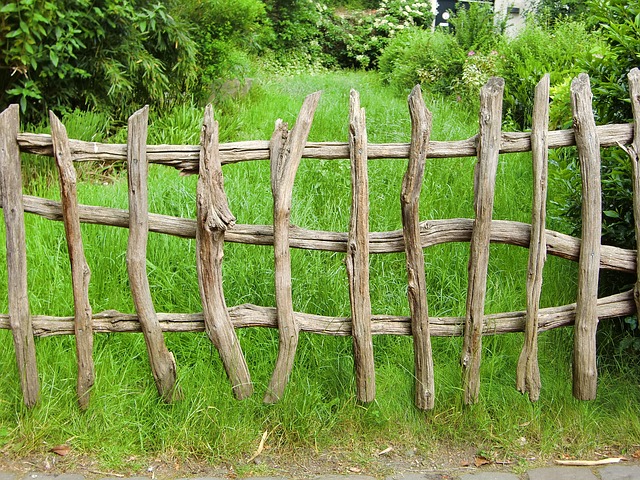
Wooden fences are a timeless element of landscaping that enhance both privacy and curb appeal. To maintain their luster and longevity, regular upkeep through staining and sealing is paramount. This article delves into the meticulous process of preparing your wooden fence for the protective embrace of stain and sealant. We’ll guide you through selecting the most harmonious stain for your wood type and local climate, ensuring a symbiotic relationship between your fence and its environment. Subsequently, we’ll provide a detailed, step-by-step guide to applying stain effectively, ensuring a finish that is both aesthetically pleasing and weather resistant. Furthermore, the significance of sealing your fence post-staining will be elucidated, highlighting its role in fortifying your fence against the relentless onslaught of natural elements. Lastly, we’ll offer maintenance tips to keep your wooden barrier looking pristine for years to come.
- Preparing Your Wooden Fence for Staining and Sealing
- Choosing the Right Stain for Your Wood Type and Climate
- Step-by-Step Guide to Effective Staining
- The Importance of Sealing: Protecting Your Fence from Elements
- Maintenance Tips to Keep Your Fence Looking New Longer
Preparing Your Wooden Fence for Staining and Sealing
Prior to staining and sealing your wooden fence, it is crucial to prepare the surface properly to ensure an even application and a durable finish. Begin by removing any loose paint, debris, or peeling finishes from the wood with a wire brush or a power washer set on a low pressure. This will allow the new stain or sealant to adhere better to the fence’s surface. After cleaning, inspect the fence for any damage such as splits, rotting wood, or protruding nails that may need attention before staining. Repair any structural issues to prevent moisture from infiltrating and causing further damage post-staining. Once the fence is clean and in good repair, lightly sand the surface with fine-grit sandpaper to remove any splinters, smooth rough spots, and create a uniform texture that will accept the stain more effectively. Finally, ensure the wood is dry; staining damp wood can lead to an uneven finish and trap moisture beneath the new protective layer. Proper preparation not only enhances the appearance of your wooden fence but also extends its lifespan by protecting it from the elements and everyday wear and tear.
Choosing the Right Stain for Your Wood Type and Climate
When selecting a stain for your wooden fence, it’s crucial to consider both the species of wood you’re using and the environmental conditions it will face. Different types of wood absorb stains at varying rates; for instance, softwoods like cedar or pine typically have more open wood fibers, which can soak up a stain quickly and deeply. Hardwoods, on the other hand, such as oak or mahogany, may require a pre-stain conditioner to ensure even penetration and color consistency. The type of stain you choose should also be compatible with these characteristics. Water-based stains are generally easier to work with, offering a quicker drying time and lower odor, making them suitable for most applications. Oil-based stains, however, penetrate deeper into the wood grain and provide excellent protection against water intrusion, which is ideal in humid or wet climates. In contrast, environments with harsh sunlight and extreme temperatures may necessitate a stain with strong UV inhibitors to prevent fading and weathering. Additionally, consider the finish’s longevity; some stains are formulated for one-time applications that protect for several years, while others may need to be reapplied annually to maintain their effectiveness. It’s also important to select a stain that aligns with your desired aesthetic; some offer clear finishes that allow the wood’s natural beauty to shine through, while others provide semi-transparent or solid colors for a more uniform look. Regardless of the stain you choose, proper application techniques and allowing the wood to dry completely between coats will ensure a long-lasting and attractive finish for your wooden fence.
Step-by-Step Guide to Effective Staining
Prior to applying stain to a wooden fence, it is imperative to prepare the surface for optimal absorption and adherence. Begin by cleaning the fence thoroughly with a solution of mild detergent and water, or use a pressure washer on a low setting to remove dirt, mildew, and old finish. Allow the fence to dry completely before proceeding. Once the wood is dry, gently sand the entire surface with fine-grit sandpaper to smooth rough spots and remove any splinters, ensuring a uniform appearance and texture for even stain distribution.
With preparation complete, select a quality wood stain that offers both the desired color and appropriate protection for your climate. Stains with UV protectants are particularly beneficial as they help prevent sun damage and weathering. Apply a high-quality brush or sprayer to apply the stain in long, even strokes, following the grain of the wood. For best results, apply the stain in multiple thin coats rather than one thick layer, allowing each coat to dry according to the product’s instructions before applying the next. This approach minimizes the risk of streaks or an uneven finish. After the final coat has dried, assess the fence for any areas that may require additional stain application to achieve a consistent look. Properly maintained, a stained wooden fence will not only enhance your property’s curb appeal but also protect and preserve the wood for years to come.
The Importance of Sealing: Protecting Your Fence from Elements
Wooden fences serve as both a boundary marker and an aesthetic addition to your property. To maintain their visual appeal and structural integrity, regular maintenance is crucial. Among the various care practices, sealing stands out as a vital procedure in safeguarding your wooden fence from environmental elements. This protective measure acts as a shield against the harsh effects of sun, rain, snow, and wind, which can lead to weathering, cracking, and warping over time.
Sealing a wooden fence locks in its natural moisture, preventing it from drying out and becoming brittle. It also forms a barrier that repels water, thereby reducing the risk of rot and decay caused by prolonged wetness. Moreover, sealing provides a protective layer that minimizes the damage from insects and pests that may otherwise bore into the wood. By choosing the right sealant and applying it correctly, you can significantly extend the life of your wooden fence, ensuring it remains a sturdy and attractive feature of your property for years to come. Regularly scheduled sealing, often every one to three years, depending on local climate conditions, is essential for optimal protection and performance.
Maintenance Tips to Keep Your Fence Looking New Longer
Regular maintenance is key to ensuring your wooden fence maintains its aesthetic appeal and structural integrity over time. To keep your fence looking new for as long as possible, begin with a thorough cleaning at least once a year. Use a soft-bristled brush and a mild detergent solution to remove dirt, algae, and debris. After cleaning, inspect the fence for any signs of wear, such as splintering, rot, or insect damage. Address these issues promptly to prevent more significant problems.
When it comes to staining and sealing, timing is crucial. Apply a high-quality stain or sealant during dry weather to avoid product absorption issues. Stains come in semi-transparent, solid, and clear varieties; choose one that complements the wood’s natural appearance while providing the desired level of UV protection. Before staining, ensure the surface is clean, dry, and free of any previous coatings. Apply the stain or sealant evenly with a brush, roller, or sprayer, following the manufacturer’s instructions. Pay special attention to the ends of the planks and any intricate details, as these areas are prone to wear. By following these maintenance tips, your wooden fence will not only look new but also stand up to the elements for many years to come.