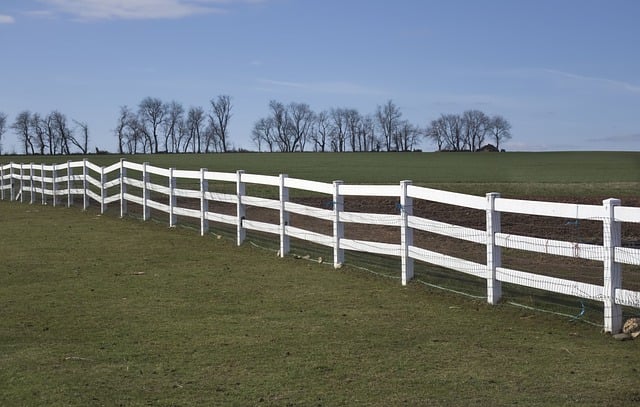
When it comes to safeguarding coastal properties, Durable Wooden Fencing stands as a testament to resilience against the relentless forces of nature. This article delves into the critical aspects of constructing fences that withstand the unique challenges of saltwater environments. From selecting robust materials that offer coastal resilience to installing them with best practices suited for high-humidity zones, we explore the intricacies of design and installation. Additionally, we provide maintenance strategies to ensure your wooden fence endures, along with an examination of advanced treatment options tailored for marine climates. To illustrate these concepts effectively, we share insights from successful case studies that highlight practical applications of these fencing solutions.
- Material Selection for Coastal Resilience
- Design Considerations for Saltwater Environments
- Best Practices for Installation in High-Humidity Zones
- Maintenance Strategies to Extend Wooden Fence Lifespan
- Advanced Treatment Options for Marine Climates
- Case Studies: Coastal Wooden Fencing Success Stories
Material Selection for Coastal Resilience
When selecting materials for durable wooden fencing in coastal areas, it is imperative to consider the harsh environmental conditions that drive the demand for resilience and longevity. Coastal environments are characterized by salty air, high humidity, and frequent exposure to water, which can rapidly degrade standard wood types. To mitigate these effects, materials such as treated pine or cedar, known for their natural resistance to decay and rot, are often recommended. These woods have been impregnated with preservatives that protect against the corrosive nature of coastal conditions. Alternatively, alternative woods like redwood and cypress, which also possess inherent weather-resistant properties, can be utilized. Additionally, composite materials, which are composed of a mix of wood fibers and recycled plastics, have gained popularity due to their durability and low maintenance requirements. These composites offer a sustainable solution, resisting rot, warping, and the effects of saltwater, thus ensuring the longevity and integrity of the fencing in coastal settings.
In conjunction with material selection, the design and construction methods employed are equally crucial for enhancing the lifespan of wooden fences in coastal regions. Employing durable hardware, such as stainless-steel fasteners and galvanized fittings, prevents corrosion where different materials meet. Proper ventilation within the fence panels allows for drying of the wood, reducing moisture accumulation that can lead to decay. Additionally, the design should facilitate easy access for routine maintenance, which is essential for prolonging the life of the fence. Regular inspection and timely treatment with protective coatings can further shield the wood from environmental aggressors, ensuring the fencing remains a robust barrier against the elements for years to come.
Design Considerations for Saltwater Environments
When designing wooden fencing for coastal areas, it is crucial to consider the unique environmental challenges presented by saltwater environments. These conditions can significantly accelerate the deterioration of wooden structures due to the corrosive effects of salt and moisture. To mitigate these effects, fencing designs should prioritize materials that are resistant to marine borers and rot, such as cedar, redwood, or treated pine. These woods have natural resistance properties or can be made more durable through chemical treatments that repel water and prevent the growth of fungi and algae.
The design itself must also account for the lateral pressures of wind-borne debris and the potential for high wave action. Fences should be anchored deeply into undisturbed ground to provide stability, and the use of large, well-spaced posts can reduce the likelihood of post-rot. Additionally, spacing between the slats or boards should be sufficient to allow for ventilation and the easy passage of salt spray without compromising privacy or security. The orientation of the boards can also affect longevity; horizontal surfaces should be minimized where possible to prevent water pooling, while any horizontal members should be designed to allow for drainage. By incorporating these design considerations, wooden fencing in coastal areas can be both aesthetically pleasing and durable, providing a protective barrier against the elements for many years.
Best Practices for Installation in High-Humidity Zones
When installing durable wooden fencing in high-humidity zones, such as coastal areas, it is crucial to adopt best practices to ensure longevity and performance. The choice of wood species is paramount; opt for types that are naturally resistant to decay and rot, such as cedar, redwood, or treated pine. These woods possess inherent properties or chemical treatments that protect against the harsh effects of humidity. Additionally, proper site preparation is essential, including ensuring adequate drainage and preventing standing water near the fence line. Use corrosion-resistant hardware throughout; galvanized or stainless steel fasteners are recommended as they resist rust and deterioration better than standard metal components.
Adequate spacing between posts and rails allows for ventilation, reducing the likelihood of mold and mildew growth. Similarly, maintaining a gap between the ground and the bottom rail facilitates water runoff and prevents moisture from accumulating against the wood. Employing waterproof sealants and stains during installation and regularly thereafter helps protect the wood’s surface from the penetrating effects of humidity. Regular inspection and maintenance are also key; checking for signs of wear or damage and addressing them promptly will extend the lifespan of your wooden fence in these challenging environments.
Maintenance Strategies to Extend Wooden Fence Lifespan
To ensure a durable and long-lasting wooden fence in coastal areas, where saltwater and high humidity can accelerate decay and rot, implementing effective maintenance strategies is paramount. Regular inspections should be conducted to identify any signs of wear or damage. This includes checking for loose nails, splinters, or fungal growth that could compromise the structure’s integrity. Promptly addressing these issues through timely repairs can prevent minor damages from escalating into costly fixes.
For optimal protection, treatment with a high-quality wood preservative is essential. These treatments often include water repellents and ultraviolet light inhibitors that shield the wood from environmental elements. Annual cleaning with a mild detergent solution or a pressure washer can remove salt deposits and dirt buildup. Post-cleaning, a fresh coat of stain or paint, reapplied every one to three years depending on exposure levels, provides an additional layer of defense. Using corrosion-resistant hardware such as galvanized or stainless steel screws and nails ensures that the fasteners do not weaken over time. Additionally, choosing wood species known for their natural resistance to rot and decay, like cedar or redwood, can further enhance the longevity of a wooden fence in challenging coastal environments. Regular maintenance, combined with selecting the right materials and treatments, will significantly extend the lifespan of a wooden fence, making it a resilient barrier against both intruders and the elements.
Advanced Treatment Options for Marine Climates
In coastal environments, durability is paramount for any wooden fencing due to the harsh conditions presented by marine climates. Advanced treatment options have been developed to protect wood against the corrosive effects of salty air and moisture, which can lead to rot, fungal decay, and other forms of degradation. These treatments often involve pressure-treating the wood with waterborne preservatives that are both effective and environmentally friendly. Additionally, high-performance coatings, such as alkyd or acrylic paints, are applied to provide a sacrificial layer that shields the timber from UV radiation and abrasive salt particles. These coatings, which may be reapplied every few years for optimal protection, are formulated to withstand the intense sunlight and fluctuating temperatures characteristic of coastal regions. The choice of wood species also plays a critical role; species like cedar, redwood, and treated pine are favored for their natural resistance to rot and decay, complementing these advanced treatment options to ensure the longevity and integrity of wooden fencing in marine climates.
Case Studies: Coastal Wooden Fencing Success Stories
In coastal regions, durability is paramount when it comes to fencing due to the harsh conditions presented by saltwater, wind, and fluctuating humidity. Wooden fences in such environments face the challenge of rapid degradation if not constructed with appropriate materials and techniques. However, there are several case studies that serve as success stories for coastal wooden fencing. For instance, a project in the Oregon coast demonstrated the effectiveness of using specific wood types, such as cedar, which naturally resists decay and is less prone to the corrosive effects of saltwater. The design incorporated weather-resistant coatings and treatments that further protected the structure from environmental aggressors. This combination of material selection and protective measures resulted in a fence that not only withstood the test of time but also maintained its aesthetic appeal without significant maintenance intervention.
Another case study, this time in the Bahamas, showcased the success of integrating traditional wooden fencing techniques with modern advancements. The project utilized a durable hardwood, treated to resist termites and decay, and was complemented by a well-thought-out drainage system that prevented water accumulation at the fence’s base. The inclusion of proper ventilation within the fence posts also played a crucial role in allowing moisture to escape, thus reducing the risk of rot. These strategies, combined with regular maintenance, have ensured that this wooden fence has remained a reliable barrier for over two decades, showcasing the potential for sustainable and visually pleasing fencing solutions along coastal areas.