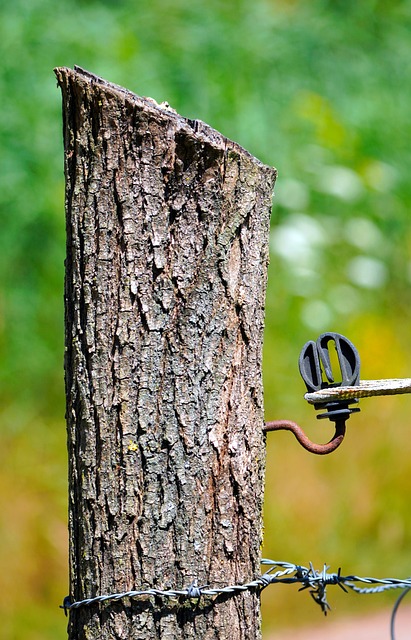
Discover the resilient allure of Durable Wooden Fencing tailored for coastal environments. This article delves into the art of constructing fences that withstand the corrosive forces of saltwater and relentless weather, ensuring your coastal haven remains secure and serene. From selecting robust materials to mastering treatment techniques and installation best practices, we explore the essential strategies for maintaining a wooden fence’s integrity over time. Additionally, we present compelling case studies showcasing successful wooden fencing along the shoreline, offering insights into sustainable solutions that harmonize with the marine landscape. Join us as we fortify your boundary against the elements while preserving the natural beauty of wood.
- Material Selection for Coastal Resilience
- Design Considerations for Sustained Performance
- Treatment Techniques for Marine Environment Durability
- Installation Best Practices to Withstand Saltwater Exposure
- Maintenance Strategies for Longevity in Coastal Settings
- Case Studies: Successful Wooden Fencing along the Shoreline
Material Selection for Coastal Resilience
When selecting materials for durable wooden fencing in coastal areas, it is crucial to prioritize rot-resistant and weather-resistant woods. Species such as cedar, redwood, and treated cypress are favored due to their natural resistance to the harsh marine environment. These woods have inherent properties that make them less susceptible to the effects of saltwater, windborne salts, and the high humidity prevalent in coastal climates. Additionally, pressure-treating with preservatives further enhances the longevity and durability of the wood. The treatment deters wood-decaying fungi, insects, and marine borers that are often more prevalent near the coast.
To ensure the fencing’s resilience against the dynamic coastal conditions, the design should also incorporate features that promote good drainage and minimize water retention. This can be achieved by elevating the ground contact points of the fence or selecting materials for any necessary footings that are less likely to decompose or corrode over time. The use of galvanized or stainless-steel hardware, as well as proper spacing between wooden components to allow for airflow and sunlight penetration, will also help maintain the structural integrity of the fencing. Regular maintenance, including inspections and timely treatments, should be factored into the lifecycle management of these structures to extend their service life and maintain their aesthetic appeal.
Design Considerations for Sustained Performance
When designing wooden fencing specifically for coastal areas, durability and resilience are paramount to ensure sustained performance against the harsh environmental conditions. The choice of timber species is critical; woods that are naturally resistant to decay, such as cedar or redwood, should be considered for their intrinsic properties that resist the effects of saltwater and high humidity. Additionally, the design should incorporate proper ventilation to minimize moisture accumulation, which can lead to mold and wood rot. Elevating the fencing off the ground with pressure-treated posts can further protect against soil-borne decay and termites.
The orientation of the wood grain is another significant factor. Vertical grain alignment helps shed water more effectively than horizontal grain, reducing water absorption and potential for rot. Coatings and sealants are also essential; they should be applied regularly to shield the wood from ultraviolet radiation and water intrusion. A durable finish that withstands the intense sunlight and salt spray is necessary. Furthermore, the design should account for natural expansion and contraction of the wood due to moisture changes, employing flexible connections where possible to prevent structural stress. Strategic overhangs and drip edges can also aid in channeling water away from the wooden surface, contributing to its longevity. Attention to detail in these design considerations is essential for a coastal wooden fence that performs well over time.
Treatment Techniques for Marine Environment Durability
When constructing wooden fencing in coastal areas, durability is paramount due to the harsh conditions presented by the marine environment. To withstand the corrosive effects of saltwater and persistent moisture, treatment techniques are essential. Pressure-treated wood is a common solution, where chemicals are forced into the wood under high pressure to create a barrier against decay and insect infestation. This treatment extends the lifespan of the fencing significantly. Additionally, choosing the right species of wood can enhance resilience; for instance, cedar, redwood, and cypress are naturally resistant to rot and insects, making them suitable options for coastal fencing. Furthermore, protective coatings such as stains, paints, and weatherproofing sealants are applied to further safeguard the wood against the deleterious effects of the sea air and salt spray. These treatments not only shield the wood but also maintain its aesthetic appeal, ensuring that the fencing remains a functional and visually pleasing boundary for years to come. Regular maintenance, including cleaning, inspection, and reapplication of protective coatings, is crucial to preserve the integrity of the wooden fencing in these demanding environments.
Installation Best Practices to Withstand Saltwater Exposure
When installing durable wooden fencing in coastal areas, it is imperative to adopt best practices to withstand the corrosive effects of saltwater exposure. The selection of wood species plays a crucial role; opt for species that are naturally resistant to decay and insects, such as cedar or redwood. These species, coupled with proper treatment, can significantly enhance the lifespan of your fencing. Pressure-treated woods impregnated with weatherproofing preservatives are also highly recommended, as they provide an additional barrier against rot and pests.
Upon installation, ensure that all wooden components are above ground level to minimize contact with saltwater. Use galvanized or stainless-steel hardware throughout the fencing structure to prevent rust and corrosion. Proper ventilation around the posts is essential to allow moisture to escape and dry, reducing the risk of wood decay. Additionally, spacing the fence panels slightly apart can aid in the drying process and mitigate the effects of salt accumulation. Employing a barrier or paint designed to resist salt spray on all exposed surfaces will further protect your wooden fencing from the harsh marine environment. Regular maintenance, including inspection and treatment as necessary, is vital for maintaining the integrity of the fence over time.
Maintenance Strategies for Longevity in Coastal Settings
In coastal settings, durable wooden fencing requires specialized maintenance strategies to withstand the unique environmental challenges presented by salty air, high humidity, and potential water submersion. Regular inspections should be conducted to identify and address any signs of wood decay or metal corrosion early on. Employing pressure-treated timber that is resistant to rot and infestations, such as cedar or redwood, can significantly extend the lifespan of the fencing. Additionally, protective coatings like penetrating wood preservatives, water repellents, and UV inhibitors should be applied consistently to shield the wood from the harsh effects of sunlight and moisture. These coatings not only protect the wood but also help maintain the aesthetic appeal of the fence.
Maintenance also involves regular cleaning to remove salt deposits that can accelerate degradation. This can be achieved through gentle washing with fresh water and a mild detergent, followed by thorough rinsing. For metal components such as hardware and brackets, corrosion-resistant coatings or regular treatments with anti-corrosive agents are advisable to prevent rust and ensure the fence’s structural integrity. Strategic ventilation within the fence design can also alleviate trapped moisture, reducing the risk of mold growth and wood rot. By implementing these maintenance strategies, wooden fencing in coastal areas can be kept in optimal condition for many years, enhancing both its durability and visual appeal.
Case Studies: Successful Wooden Fencing along the Shoreline
In coastal regions, where salty sea air and relentless tidal movements are common, wooden fencing faces unique challenges that can lead to rapid deterioration if not properly designed and maintained. However, several case studies along the shoreline have demonstrated successful implementation of durable wooden fencing solutions. For instance, a project in the Pacific Northwest utilized locally sourced cedar, known for its natural resistance to decay and rot, treated with a marine-grade preservative. This approach not only aligned with sustainability goals but also proved effective against the harsh coastal environment. The fencing was complemented by a regular maintenance schedule that included inspection and treatment of wood surfaces, which has extended its lifespan significantly. Another case study from the northeastern coast of the United States showcased the use of galvanized hardware and stainless-steel fasteners to prevent corrosion, alongside a smart selection of wood species for their durability and resilience against fungal decay. The combination of material choices, protective treatments, and regular upkeep has resulted in these wooden fences standing strong against the elements, providing a testament to the viability of well-designed wooden fencing in coastal settings. These successful implementations underscore the importance of careful selection of materials, appropriate treatment, and diligent maintenance in ensuring that wooden fencing can withstand the unique challenges posed by coastal environments.