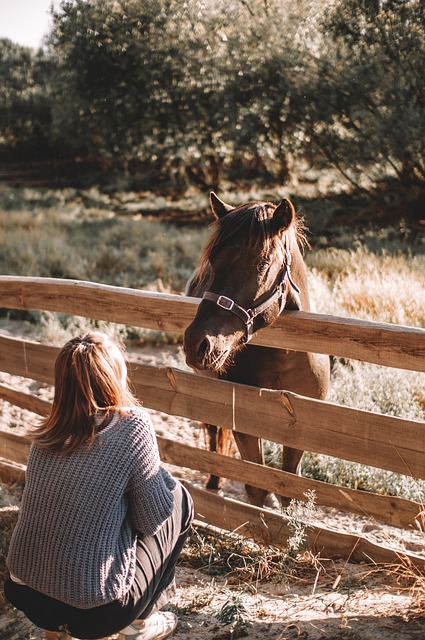
When it comes to fortifying coastal properties against the relentless duo of wind and salt, durable wooden fencing stands out for its resilience and aesthetic appeal. This article delves into the pivotal aspects of selecting robust materials, designing structures that withstand the harsh elements of a coastal climate, and ensuring foundational stability to protect these fences from toppling or warping. We explore effective protective treatments that extend the lifespan of wood in the presence of corrosive marine environments, and outline essential maintenance practices to preserve their integrity over time. Through case studies highlighting successful wooden fencing installations, we provide a comprehensive guide to achieving enduring fencing solutions for coastal areas.
- Material Choices for Coastal Resilience
- Designing for Wind and Salt Spray Resistance
- Groundwork and Foundation Strategies for Fencing Stability
- Protective Treatments to Combat Marine Environments
- Maintenance Best Practices for Longevity
- Case Studies: Successful Wooden Fencing in Coastal Settings
Material Choices for Coastal Resilience
When selecting materials for durable wooden fencing in coastal areas, it is crucial to consider the harsh conditions that these structures will endure. The salty air, high winds, and potential flooding from storm surges can rapidly degrade standard wood types if not properly treated or selected. Pressure-treated pine, cedar, and redwood are popular choices due to their natural resistance to decay and pests. These woods have inherent properties that make them more resilient, particularly when treated with a preservative designed to withstand marine environments. Additionally, the use of rot-resistant wood species such as teak or ipe offers further protection against the corrosive effects of saltwater and humidity.
For enhanced longevity, the design and construction methods also play significant roles. Fencing should be elevated above ground level to prevent moisture wicking from the soil. The use of protective coatings, such as penetrating water repellents or stains that penetrate deep into the wood grain, can shield the wood from UV rays and moisture. Furthermore, galvanized or stainless-steel hardware is recommended to prevent rust and corrosion in the fittings and fasteners. These measures collectively ensure that the wooden fence stands up to the rigorous demands of a coastal environment, maintaining its integrity and aesthetic appeal for years to come.
Designing for Wind and Salt Spray Resistance
When designing durable wooden fencing for coastal areas, it is imperative to account for the unique environmental challenges posed by wind and salt spray. The relentless exposure to saline-rich environments can rapidly degrade wood over time, leading to a need for materials with inherent resistance to decay and rot. To mitigate this, selecting species of wood known for their natural durability, such as cedar or redwood, is crucial. These woods possess higher natural oil content, which offers a level of protection against the elements. The design itself must incorporate angles and grain patterns that allow water to shed effectively, preventing standing moisture that could facilitate decay.
In addition to material choice, the orientation and configuration of the fence should be strategic to minimize the impact of salt spray and wind abrasion. Orienting the boards with the grain running vertically can enhance resistance to lateral forces from wind and reduce the risk of wood fibers splitting. Further, a proper maintenance routine, which includes regular cleaning and protective treatments such as weatherproofing sealants or penetrating stains, is essential for prolonging the lifespan of the wooden fence. These treatments create a barrier that repels water and inhibits salt from permeating the wood, thus shielding it from the detrimental effects of coastal conditions. It is through thoughtful design and consistent upkeep that a wooden fence can stand as a robust boundary in the face of coastal elements.
Groundwork and Foundation Strategies for Fencing Stability
When installing wooden fencing in coastal areas, the groundwork and foundation are pivotal for ensuring the longevity and stability of the structure. The unique environmental challenges posed by saltwater, high humidity, and erosion necessitate robust preparatory measures. A proper foundation should be constructed above the frost line to prevent heave, with a footing that extends well into the undisturbed earth to provide a stable base. This helps to mitigate the impact of soil expansion and contraction due to moisture changes.
Additionally, the choice of materials for the foundation must be corrosion-resistant. Commonly used materials include concrete with additives designed to resist saltwater intrusion, and galvanized or stainless steel reinforcements to prevent rust which can compromise the integrity of the structure. The base of the fence posts themselves should also be treated with appropriate preservatives to protect against wood-decaying fungi and insects that thrive in these environments. Proper drainage around the fencing area is crucial to divert water away from the posts, reducing the risk of wood rot and maintaining the structural integrity of the fence over time.
Protective Treatments to Combat Marine Environments
When installing wooden fencing in coastal areas, protective treatments are essential to ensure the longevity and stability of the structure against the harsh conditions of the marine environment. The combination of high salinity levels, constant moisture, and intense ultraviolet light can rapidly degrade untreated wood, leading to decay and splintering. To combat these challenges, fencing materials should undergo specialized treatments that act as a barrier against the elements. These treatments often include weatherproof sealants and water-repellent coatings designed to penetrate the wood’s fibers, providing both protection and allowing the timber to breathe. Additionally, choosing the right type of wood is crucial; species like redwood, cedar, and treated pine are more resistant to rot and insect infestation. Regular maintenance, including reapplication of protective treatments every few years, is necessary to maintain the integrity of the fence and ensure it stands up to the dynamic coastal conditions. This diligence not only safeguards the investment in the fencing but also maintains the aesthetic appeal and functionality of the barrier for many years.
Maintenance Best Practices for Longevity
Durable wooden fencing in coastal areas requires a commitment to regular maintenance to withstand the harsh conditions presented by salty air, wind, and sun exposure. To extend the lifespan of a wooden fence in such environments, it is crucial to select rot-resistant wood species like cedar, redwood, or treated pine. These materials have natural or chemical properties that resist decay, which is often caused by the moisture found in coastal climates.
For optimal longevity, routine inspections and maintenance should be conducted at least annually. During these inspections, check for any loose, damaged, or rotting boards, posts, or rails. Promptly repair or replace any compromised components to prevent water intrusion, which can lead to further decay and structural integrity issues. Regular cleaning with a mild detergent solution can remove salt buildup and minimize corrosion on hardware. Additionally, sealing or painting the wood with a high-quality, weather-resistant coating every two to three years provides an additional layer of protection against the elements. This not only preserves the aesthetic appeal but also reinforces the wood’s natural resistance to environmental stressors, ensuring that your coastal wooden fence stands robust for many years.
Case Studies: Successful Wooden Fencing in Coastal Settings
In coastal environments, durable wooden fencing must withstand the harsh effects of salty air, fluctuating humidity levels, and potential water exposure. Successful case studies abound where wooden fences have stood the test of time in these challenging settings. For instance, a residential development on the Oregon coast utilized cedar planks treated with a UV-resistant, water-repellent sealant. This treatment not only protected against rot and decay but also enhanced the natural beauty of the wood, ensuring its longevity. Another exemplary project involved the use of marine-grade stainless steel hardware to secure the fence, as traditional metal fittings can corrode rapidly in coastal conditions. The choice of timber species was strategic; the specific variety selected was known for its natural resistance to weather and pest damage. These measures have led to a fence that has remained functional and aesthetically pleasing for over two decades, a testament to the careful consideration of material selection and regular maintenance routines. Elsewhere, a beachfront hotel on the Atlantic coast implemented a fencing solution that incorporated a combination of pressure-treated pine and teak wood for sections exposed to different levels of salinity. The use of teak, known for its high oil content which resists water and pests, proved particularly effective in the most exposed areas. The maintenance schedule included regular inspection and recoating with a protective sealant, which has allowed the wooden fencing to blend seamlessly with the coastal aesthetic while providing the necessary protection against environmental factors. These case studies highlight the importance of material selection, quality installation, and ongoing care in creating durable wooden fencing that can withstand the unique challenges of coastal settings.