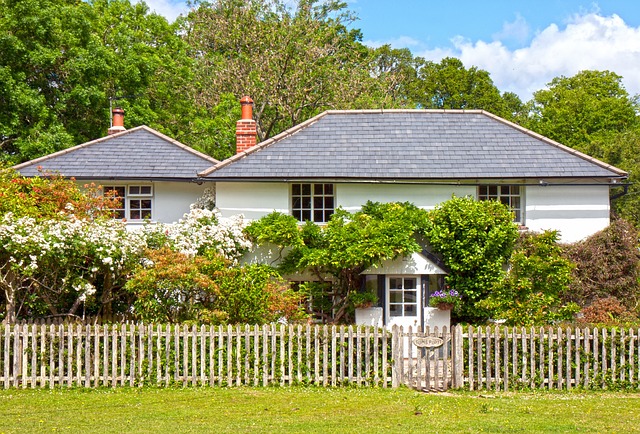
Embark on a DIY journey to enhance your New Bedford home with a durable and aesthetically pleasing fence. This comprehensive guide will navigate you through the essential steps of planning, selecting, and installing a fence that withstands New England’s variable climate. From adhering to local regulations to crafting a design that complements your property, we’ll cover all aspects of the project. Dive into the nuances of woodwork and alternative materials, ensuring each tip is practical for the Massachusetts maritime environment. Finally, discover how to perfect your fence with painting techniques and maintenance practices that ensure longevity and privacy, transforming your outdoor space into a sanctuary of tranquility and security. Join us as we transform your vision into reality, one plank at a time.
- Planning Your Fence Project: Local Regulations and Design Considerations
- Selecting the Right Materials for New Bedford's Climate
- Step-by-Step Guide to Installation: Preparing Your Site and Setting Posts
- Working with Wood and Alternative Materials: Tips for Construction
- Final Touches: Painting, Maintenance, and Enhancing Privacy with Fencing
Planning Your Fence Project: Local Regulations and Design Considerations
When embarking on a DIY fence installation project in New Bedford, Massachusetts, homeowners must first navigate the intricacies of local regulations and design considerations to ensure their project is both compliant and aesthetically pleasing. It’s crucial to research and understand the town’s zoning laws, which dictate setback requirements, maximum heights, and permitted materials. These regulations safeguard community appearance while maintaining harmony with neighboring properties. Homeowners should consult New Bedford’s Building Department for detailed guidelines and obtain any necessary permits before construction begins.
In terms of design, consider the purpose of the fence. Is it for privacy, security, or to define property lines? The chosen design should align with this function. For instance, if aiming for maximum privacy, a solid board or stockade style might be appropriate, whereas a decorative picket fence might be more suited to a traditional neighborhood. Additionally, the design should complement the architectural style of the home and surrounding structures. Factors such as light exposure, wind flow, and views from the property should also inform your design choices. Thoughtfully selecting materials that are both durable and visually appealing will contribute to a successful project, enhancing both your home’s security and curb appeal.
Selecting the Right Materials for New Bedford's Climate
When embarking on a DIY fence installation in New Bedford, Massachusetts, selecting the right materials is crucial to withstand the unique environmental conditions of the region. The climate here is characterized by humid summers and wet winters, which can necessitate materials that resist rot and decay. For long-lasting performance, pressure-treated wood is often recommended due to its durability and resistance to weather elements. Additionally, composites and vinyl are popular choices as they offer low maintenance and a longevity of 20 to 30 years without the need for frequent staining or sealing. These materials are particularly effective in combating the effects of New England’s harsh winters and muggy summers.
Furthermore, consider the aesthetic you desire as well as local zoning laws when selecting your materials. For instance, cedar and redwood offer natural beauty and can be treated to enhance their lifespan. Metal fences, such as those made from steel or aluminum, are also an option, providing a modern look with high durability and minimal maintenance. Regardless of the material chosen, ensure it aligns with the architectural style of your home and the neighborhood’s character. Properly assessing the soil conditions and potential for frost heave in New Bedford is equally important, as this can affect post settings and overall stability.
Step-by-Step Guide to Installation: Preparing Your Site and Setting Posts
Before embarking on the actual installation process, it’s crucial to prepare your site properly. Begin by surveying your property to determine where your fence will be located, taking into account property lines and any underground utilities. Clear the area of debris, vegetation, and anything else that might interfere with post setting or fence installation. Ensure that you have a clear path for laying out the fence line, which involves using stakes and string to mark the proposed boundary.
Once the site is prepared, you can proceed with setting the posts. Start by digging holes for each corner post first, as these will serve as reference points for aligning the rest of your fence. The holes should be at least one-third the height of the fence deep and twice as wide as the post. Use a post hole digger or an auger for this task. After placing the corner posts in their respective holes, make sure they are plumb and level before backfilling partway with gravel to ensure proper drainage. This step is vital for the structural integrity of your fence. Proceed to set the intermediate posts, following a similar process: dig the holes, position the posts, check for alignment, and fill partway with gravel. After all posts are in place, you can proceed with installing the rails, pickets, and caps to complete your DIY fence installation. Remember to follow local building codes and obtain any necessary permits before beginning your project.
Working with Wood and Alternative Materials: Tips for Construction
When embarking on a DIY fence installation in New Bedford, Massachusetts, homeowners have the option to work with various materials, with wood being a popular choice due to its versatility and aesthetic appeal. If opting for wood, it’s crucial to select rot-resistant varieties like cedar or redwood for long-lasting performance. Pre-treat the lumber with a quality stain or sealant before construction to protect it from the elements, particularly as the region experiences both humid summers and wet winters. Proper treatment will enhance the wood’s durability and maintain its appearance over time.
For those considering alternative materials, there are options such as vinyl, chain link, or composite fencing. Vinyl fences offer a low-maintenance solution with a variety of styles that can mimic the look of wood without the need for regular painting or sealing. Chain link fencing provides a cost-effective and durable option for security or privacy. Composite materials, which are often made from recycled plastics and wood fibers, combine the best aspects of both materials: they’re durable, low maintenance, and can have an attractive finish that resembles natural wood grain. Regardless of the material chosen, ensure all components are installed according to manufacturer specifications for optimal performance and longevity. Additionally, familiarize yourself with local zoning regulations and homeowners association guidelines before beginning your project to avoid any post-construction complications.
Final Touches: Painting, Maintenance, and Enhancing Privacy with Fencing
When your DIY fence installation in New Bedford, Massachusetts is nearing completion, the final touches can elevate both the functionality and aesthetics of your new boundary. Painting your fence not only enhances its appearance but also provides a protective layer against the elements. Choose a high-quality, weather-resistant paint that’s suitable for outdoor use and apply it evenly to all surfaces. Pay attention to the wood grain for an aesthetically pleasing finish, and consider a semi-transparent stain if you want to preserve the natural look of the wood while still protecting it.
Maintenance is key to ensuring your fence remains in good condition for years to come. Regular upkeep includes cleaning the fence annually, inspecting for any signs of wear or damage, and addressing issues promptly to prevent more extensive repairs later. For enhanced privacy, consider adding lattice tops or planting climbing vines that will grow over time, offering both a natural screen and an attractive feature. If you opt for solid panels, ensure there’s enough space between the slats to allow for airflow and light penetration while still providing privacy. By carefully considering these final touches, your fence will serve as a durable, private, and visually appealing addition to your New Bedford home.