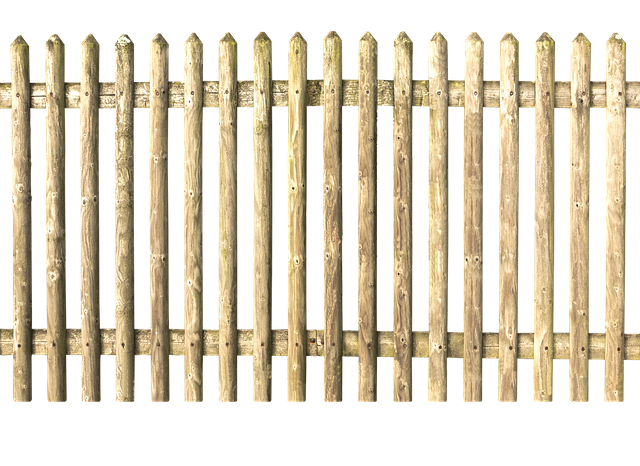
Wooden fences serve as silent sentinels around our homes, offering privacy, security, and an aesthetic appeal. Their longevity and appearance can be significantly enhanced through the careful application of stain and sealant. This article delves into the comprehensive process of fence staining and sealing, guiding you through the preparation, selection of appropriate products for your wooden fence’s material, and the precise steps to apply stain effectively. It also addresses the protective measures of sealing, essential for safeguarding your investment against the elements. Understanding the optimal frequency and timing for these processes ensures your fence remains a stalwart feature, year after year. Moreover, this guide aims to equip you with solutions to common challenges faced during the staining and sealing process. With these insights, your wooden fence will not only stand the test of time but also contribute to the overall charm and functionality of your property.
- Preparing Your Wooden Fence for Staining
- Choosing the Right Stain for Your Fence Material
- Steps to Effectively Apply Stain to Your Wooden Fence
- Sealing Your Fence: Protection and Maintenance
- Frequency and Timing of Staining and Sealing
- Troubleshooting Common Staining and Sealing Issues
Preparing Your Wooden Fence for Staining
Before embarking on the staining process, it is imperative to prepare your wooden fence properly to ensure a durable and aesthetically pleasing finish. Begin by inspecting the fence for any structural damage or loose hardware that may need attention before application of stain. Clean the surface thoroughly with a stiff-bristled brush or a pressure washer set to a low-pressure setting to remove dirt, mildew, and debris. Allow the fence to dry completely to guarantee optimal adhesion of the wood stain. Once clean, use fine-grit sandpaper to smooth any rough spots and eliminate splinters, ensuring a uniform surface for staining. Pay special attention to edges and corners where dirt can accumulate and affect the finish. After sanding, wipe down the fence with a damp cloth to remove all dust. This preparation will create a clean slate for the stain to adhere to, resulting in a more attractive and longer-lasting finish.
For the actual staining process, choose a wood stain that complements the natural look of your wooden fence while offering the desired level of protection against weather elements. Apply the stain evenly with a brush, roller, or sprayer, following the product’s instructions. If using a semi-transparent or translucent stain, you can enjoy the natural beauty of the wood grain while still protecting it. For solid stains, which offer greater hiding and protection but less visibility of the wood’s texture, apply with care to avoid an overly uniform appearance that can mask the wood’s inherent character. After application, allow the stain to dry as per the manufacturer’s recommendations before sealing the fence with a coat of sealant to enhance durability and resist moisture intrusion. This meticulous preparation and staining process will preserve the beauty and integrity of your wooden fence for years to come.
Choosing the Right Stain for Your Fence Material
When selecting a stain for your wooden fence, it’s crucial to consider the type of wood and the level of protection desired. Different wood species absorb stains at varying rates; for example, cedar and redwood are naturally resistant to rot and insects but may require less protective stains compared to pine or oak. Transparent stains allow the wood’s natural beauty to shine through while providing minimal color change, making them ideal for showcasing grain patterns and textures. Semi-transparent and solid stains offer greater concealment of the wood’s natural appearance, along with more substantial UV protection, which can be beneficial for woods that gray or weather quickly.
Environmental factors also play a significant role in stain selection. Exposure to harsh sunlight, rain, and wind can lead to weathering and fading over time. Selecting a stain with appropriate UV inhibitors and water repellents will enhance the longevity of your fence. Additionally, consider the finish’s durability; some stains are formulated for one-year coverage, while others provide protection for two to three years or more, depending on the weather conditions and maintenance practices. Always adhere to the manufacturer’s guidelines for application and recoating times to ensure optimal performance and longevity of your wooden fence.
Steps to Effectively Apply Stain to Your Wooden Fence
Prior to applying stain to your wooden fence, it’s crucial to prepare the surface for optimal stain absorption and longevity. Begin by thoroughly cleaning the fence with a mild detergent and a soft-bristle brush or a pressure washer set on a low setting to remove any dirt, debris, or old finish. Allow the fence to dry completely before proceeding. Once the wood is clean and dry, lightly sand the surface with fine-grit sandpaper to remove any splinters, rough spots, or peeling paint. This ensures a smooth finish that the stain can adhere to more effectively.
After preparation, select a high-quality fence stain that suits your climate and desired wood appearance. Follow the manufacturer’s instructions for the best results. Use a pump-style garden sprayer with a fine nozzle for large areas or a brush or roller for smaller sections. Apply the stain evenly in long, smooth strokes, working from the top of the fence downward to avoid missing any spots and to prevent lap marks. Let the first coat dry completely as per the product’s drying time, then apply a second coat if necessary for full coverage and enhanced protection. Ensure that you wipe away any excess stain with a clean, dry cloth immediately after application, especially on vertical surfaces where it can drip and run. Properly maintaining your wooden fence through effective staining and sealing will not only extend its lifespan but also maintain its aesthetic appeal for years to come.
Sealing Your Fence: Protection and Maintenance
Wooden fences are a timeless feature in landscapes, offering both privacy and security while complementing a variety of garden styles. Regular maintenance, particularly sealing, plays a pivotal role in preserving their aesthetic appeal and functional integrity. Sealing your fence serves as a protective barrier against environmental factors that can cause wood to degrade over time. Exposure to sunlight, rain, wind, and temperature fluctuations can weather the wood, leading to splintering, warping, and eventual rot if left unchecked. A quality sealant not only repels moisture but also shields the wood from harmful UV rays that fade its natural beauty and accelerate aging.
Choosing the right sealer is crucial for effective protection; oil-based sealers penetrate deeper into the wood, providing a more durable finish, while water-based options are often preferred for their lower volatile organic compound (VOC) emissions and ease of application. Regardless of the type chosen, it’s important to apply the sealer evenly across all exposed surfaces to ensure comprehensive protection. Regular reapplication, typically every one to two years depending on the climate and conditions, ensures that the wood remains resilient against the elements and maintains its structural stability for years to come. This proactive approach not only extends the lifespan of your wooden fence but also preserves its visual charm and enhances the overall appeal of your property.
Frequency and Timing of Staining and Sealing
Wooden fences enhance both the security and aesthetic appeal of a property, but to maintain their longevity and appearance, regular staining and sealing are necessary. The frequency and timing of these maintenance tasks depend on several factors, including the type of wood, climate conditions, and the level of exposure to elements such as sunlight, rain, and foot traffic. Generally, a fresh coat of stain or sealant should be applied every one to three years; however, this can vary. Darker stains with UV protectants can extend the time between applications, while highly exposed areas might require more frequent attention.
Timing your staining and sealing is crucial for optimal protection. Ideally, these tasks should be performed during dry weather to avoid water damage before the protective layers have fully cured. The best times to apply stain or sealant are in the late spring or early fall when temperatures are moderate and humidity levels are low. Avoiding peak sun hours will prevent the product from drying too quickly, which can lead to a streaky finish or uneven coverage. By adhering to a regular maintenance schedule tailored to your specific climate and conditions, you can extend the life of your wooden fence and ensure it remains a strong and attractive boundary for years to come.
Troubleshooting Common Staining and Sealing Issues
When addressing common staining and sealing issues with wooden fences, it’s crucial to first diagnose the problem accurately. Discoloration or patchiness may indicate incompatible wood types or improper application of stain. If the stain is absorbing unevenly, consider the wood’s species; some absorbent more than others. Additionally, ensure that previous stains were fully cured before applying a new layer to avoid peeling or cracking. Sealing issues might manifest as water intrusion or splintering. This could be due to using a sealer inappropriate for the wood type or environmental conditions. Make sure to apply a sealer that’s compatible with your fence’s wood and choose products designed to protect against the typical weather conditions in your area. If you encounter raised grain on the surface after staining, it’s likely due to the stain not being adequately sanded down before application. Lightly sand the affected areas and apply a deglosser if necessary, then re-stain. Lastly, if you notice peeling or flaking, it could be a sign of using low-quality products or applying the stain in temperatures that were too hot or cold. Always adhere to manufacturer guidelines for temperature and conditions during application to ensure the best results. Regular maintenance and attention to detail can prevent many common issues with staining and sealing wooden fences.