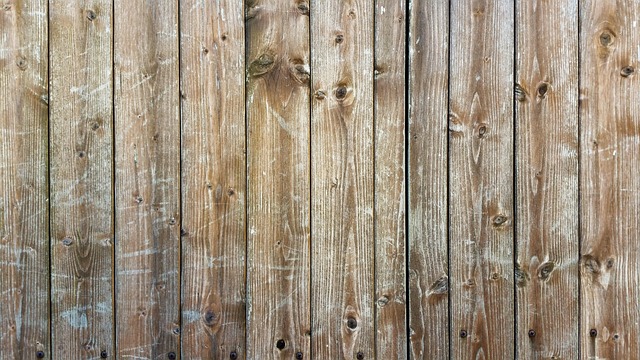
When considering durable wooden fencing for coastal areas, the interplay between robust design and natural environmental elements is paramount. This article delves into the critical aspects of selecting appropriate materials to enhance resilience against the corrosive effects of coastal conditions. We explore design considerations that address the unique challenges posed by saltwater exposure, ensuring fencing stands firm against relentless surf and wind. Installation strategies are examined with a focus on enduring the dynamic forces of the coast. Moreover, we provide essential maintenance tips to maintain the integrity and longevity of your wooden fence over time, ensuring it remains a stalwart barrier against the elements. With these insights, coastal property owners can safeguard their investments with fencing solutions that are both beautiful and enduring.
- Material Selection for Coastal Resilience
- Design Considerations for Saltwater Exposure
- Installation Strategies for Enduring Wind and Surf
- Maintenance Tips to Maintain Integrity Over Time
Material Selection for Coastal Resilience
In coastal regions, where salty air and harsh weather conditions are prevalent, selecting the right materials for wooden fencing is crucial to ensure longevity and resilience. The most durable options for such environments include rot-resistant wood species like cedar, redwood, or cypress, which naturally withstand decay and insect infestation. These woods are often preferred for their aesthetic appeal and long-lasting performance against the elements. Additionally, pressure-treated woods impregnated with weather-resistant preservatives offer an extra layer of protection against marine borers and fungal decay. The choice between untreated and preserved wood should be guided by the specific environmental conditions and maintenance capabilities of the property owner. For maximum resistance to the coastal climate, it is advisable to opt for fencing designs that maximize airflow and minimize shaded areas where moisture can accumulate and foster decomposition processes.
Furthermore, the design and structure of the fencing should also take into account the local wind patterns and tidal surges. Galvanized or stainless-steel hardware resistant to corrosion is essential to maintain structural integrity over time. The use of larger posts set deep into the ground can provide additional stability against toppling due to high winds or storm surges. In addition, incorporating a cap made from similar weather-resistant materials at the top of the fence can protect against moisture intrusion and further extend the lifespan of the wooden elements. Regular inspection and maintenance are also key factors in preserving the integrity of coastal fencing, ensuring that any signs of wear or potential damage are addressed promptly to maintain its resilience against the challenging coastal environment.
Design Considerations for Saltwater Exposure
When designing wooden fencing for coastal areas, it is imperative to account for the harsh conditions imposed by saltwater exposure. The corrosive nature of saline environments can rapidly degrade standard wood types, leading to structural compromise and reduced lifespan of the fence. To mitigate this, selecting durable hardwoods like cedar or redwood is beneficial due to their natural resistance to decay and rot caused by saltwater. These woods possess tight grain patterns that resist water absorption, thereby minimizing the impact of coastal elements.
Furthermore, the design should incorporate protective measures such as the use of weather-resistant coatings and sealants. These treatments form a barrier against moisture ingress and salt crystallization, which can cause wood to splinter and deteriorate over time. Regular maintenance, including the application of fresh protective layers every few years, is crucial to preserve the integrity and appearance of the fence. Additionally, the design should avoid direct contact between wooden components and the ground, as this can lead to moisture wicking and accelerated degradation. Elevating the fence or using proper drainage can significantly enhance its durability in coastal settings.
Installation Strategies for Enduring Wind and Surf
When installing wooden fencing in coastal areas, it is imperative to account for the unique environmental conditions presented by wind and surf. The relentless exposure to saltwater and high winds can rapidly degrade traditional materials if not properly mitigated. To ensure durability, fencing should be anchored deeply into the ground to withstand the lateral forces exerted by high winds. This involves using ground sleeves filled with gravel to prevent uplift and allow for natural settlement without compromising structural integrity. Additionally, selecting the right location is crucial; the fencing should not obstruct the natural flow of water where possible, reducing the risk of erosion and damage from storm surges.
Furthermore, the choice of timber species plays a significant role in the longevity of the fencing. Hardy, rot-resistant woods like cedar, redwood, or treated pine are recommended over softer varieties. These materials can be protected further with waterproofing sealants and regular maintenance to combat the corrosive effects of saltwater. The design should also incorporate a ventilated space between the ground and the fence to allow for drainage and air circulation, reducing moisture retention which can lead to wood rot. Strategic placement of galvanized or stainless-steel hardware, resistant to rust and corrosion, is essential to prevent points of failure in the fencing system. By combining these installation strategies, a wooden fence can provide both privacy and protection for coastal properties while enduring the harsh conditions of wind and surf.
Maintenance Tips to Maintain Integrity Over Time
To maintain the integrity and longevity of wooden fencing in coastal areas, it’s essential to implement a regular maintenance routine that addresses the unique challenges posed by the salty, humid environment. Firstly, routine inspections should be conducted at least twice a year, especially after harsh weather conditions. This allows for early detection and correction of minor issues before they escalate. Treating the wood with a high-quality, water-repellent sealant is crucial to protect against moisture intrusion, which can lead to rot and decay. A penetrating stain or sealant that contains UV inhibitors is preferable as it will also shield the wood from harmful ultraviolet rays that cause fading and degradation over time.
Moreover, the hardware, including posts, hinges, and fasteners, should be checked regularly for signs of corrosion. Stainless steel or galvanized fittings are recommended to resist the corrosive effects of saltwater and sea air. Any damaged or compromised boards should be replaced promptly to prevent water from seeping into the structure, causing further damage. Additionally, removing debris, leaves, and other organic matter from the fence regularly can reduce the likelihood of pests taking up residence and potentially compromising the wood. By adhering to these maintenance tips, wooden fencing in coastal areas can not only maintain its aesthetic appeal but also remain a sturdy barrier for years to come.