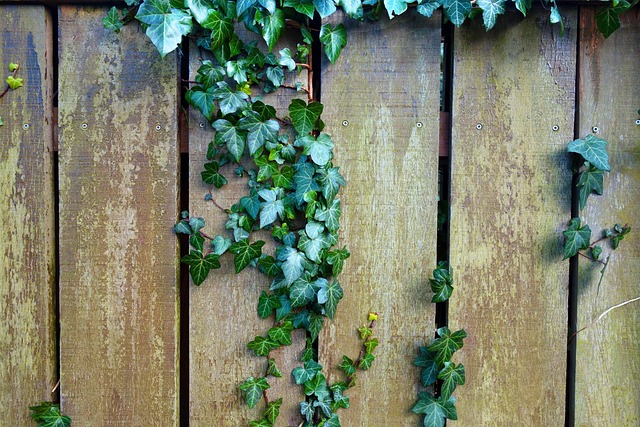
Large properties present unique fencing challenges, demanding durable, cost-efficient solutions. This article guides homeowners through a comprehensive approach to securing their expansive spaces, balancing aesthetics and affordability. We explore various options, from traditional fencing materials to innovative, low-cost alternatives like native plants and DIY installations. Additionally, we delve into the importance of long-lasting materials and offer maintenance tips to ensure optimal savings for your cost-effective fencing endeavors.
- Understanding Fencing Needs for Large Properties
- Traditional Fencing vs. Cost-Effective Alternatives
- Natural Barriers: Utilizing Native Plants and Trees
- DIY Options: Saving on Labor Costs
- Long-Lasting Materials: Investing in Durability
- Maintenance Tips for Optimal Savings
Understanding Fencing Needs for Large Properties
When it comes to fencing large properties, understanding specific needs is key. These properties often present unique challenges due to their extensive size and diverse terrain. Factors such as boundary marking, privacy, security, and aesthetic appeal vary significantly across different areas of the property. For instance, a farm may require sturdy fences to contain livestock, while a vast garden or park might need elegant barriers that enhance the landscape without obstructing scenic views.
Moreover, large properties often have diverse land uses, from residential areas and agricultural fields to recreational spaces. As such, fencing solutions should be versatile and adaptable. Some sections may require high-security fences with access gates for vehicles, while others might benefit from natural-looking hedges or custom-designed wooden panels that blend in with the surroundings. Assessing these varied needs ensures that the chosen fencing solution is both effective and cost-efficient for the entire property.
Traditional Fencing vs. Cost-Effective Alternatives
Traditional fencing materials and methods can be expensive, especially for large properties. Concrete, metal, or wood fences often require extensive labor, regular maintenance, and replacement over time, adding up to significant costs. Moreover, these conventional options may not always offer the desired aesthetic appeal or functional benefits.
Cost-effective alternatives have emerged, providing both durability and affordability. Vinyl fencing, for instance, is low-maintenance, resistant to rot and rust, and available in various styles and colors. Metal fencing can also be a budget-friendly choice with its longevity and ease of installation. These modern options not only reduce upfront costs but also minimize long-term expenses related to maintenance and repairs.
Natural Barriers: Utilizing Native Plants and Trees
Many large properties look to fencing as a way to define boundaries, enhance privacy, and create visual appeal. However, traditional fencing methods can be expensive. An often-overlooked cost-effective solution is to incorporate natural barriers using native plants and trees. Not only are these organic barriers aesthetically pleasing, but they also provide a sustainable and eco-friendly alternative. Native flora requires less maintenance and watering compared to non-indigenous species, making it a long-term investment for property owners.
Additionally, strategically planted trees and shrubs can serve as effective fences, providing privacy and security while allowing for natural light penetration. This approach not only reduces costs but also contributes to the overall health of local ecosystems by promoting biodiversity and preserving native habitats.
DIY Options: Saving on Labor Costs
For those looking to fence their large properties on a budget, considering DIY (Do-It-Yourself) options can be a game-changer. One of the primary advantages is the significant savings on labor costs, which often make up a substantial portion of professional fencing projects. By taking on the task yourself, you avoid hiring specialized workers and the associated fees, allowing you to allocate resources more efficiently.
There are various materials readily available in the market that cater to DIY enthusiasts, offering both functionality and affordability. From pre-assembled panels to do-it-yourself kits, these options provide a cost-effective alternative while still ensuring quality and durability. With careful planning and the right tools, you can effectively fence your property without breaking the bank.
Long-Lasting Materials: Investing in Durability
When considering fencing solutions for large properties, opting for long-lasting materials is a strategic investment. Modern fencing options are now available that combine durability with aesthetic appeal, ensuring your property remains secure and well-defined for years to come. High-quality materials such as vinyl, aluminum, or even steel can withstand the test of time, extreme weather conditions, and potential damage from wildlife or passerby.
These materials offer resistance against rot, rust, and decay, eliminating the need for frequent repairs or replacements. Additionally, many manufacturers provide warranties that further guarantee their products’ longevity, giving homeowners peace of mind. Investing in durable fencing not only saves costs in the long run but also contributes to the overall value of your property.
Maintenance Tips for Optimal Savings
Regular maintenance is key to keeping your fencing investment in top condition and maximizing cost savings. Start by inspecting your fence regularly, checking for any signs of damage, rot, or wear. Addressing issues early prevents minor problems from escalating into costly repairs. Keep an eye out for loose or missing pickets, as these can be replaced relatively easily and at a lower cost than a complete fence replacement.
In terms of cleaning, use a soft-bristled brush and mild soap to remove dirt and debris without damaging the fence’s surface. Avoid power washing unless absolutely necessary, as it can strip away protective coatings or damage certain fence materials. Additionally, apply a fresh coat of paint or sealant every few years to protect against elements like rain and sun, ensuring your fence remains in excellent condition for many years to come.