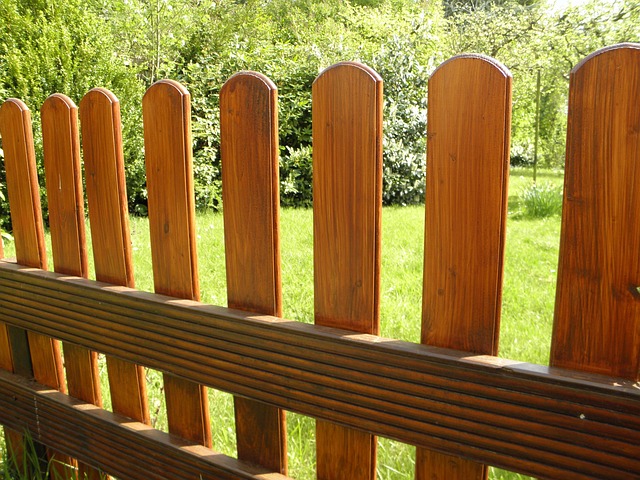
Fence Staining and Sealing: A Comprehensive Guide to Revitalizing Your Wooden Fences
Maintaining the allure and structural integrity of your wooden fences is essential, and staining along with sealing stands as a cornerstone of this care regimen. This comprehensive guide delves into the intricacies of fence staining and sealing, offering insights on understanding the benefits, preparing your fence, selecting the perfect stain, and mastering the sealing process. Whether you’re considering DIY or professional services, we provide expert tips for longevity, ensuring your fences remain robust and aesthetically pleasing for years to come.
- Understanding Fence Staining: Benefits and Types
- Preparing Your Wooden Fence for Staining
- Choosing the Right Stain: Color Options and Considerations
- The Sealing Process: Protection Against Elements
- Tips for Longevity: Maintenance and Care
- DIY vs. Professional Fence Staining and Sealing
Understanding Fence Staining: Benefits and Types
Fence staining is a popular method to enhance the appearance and protect wooden fences. It involves applying a coloured dye or pigment to the fence’s surface, which not only gives it an aesthetic appeal but also serves as a protective barrier against the elements. The process can be done in various ways, each offering unique advantages.
The benefits of fencing staining are numerous. It protects wood from UV rays, moisture, and other environmental factors that can cause fading or deterioration. Staining also fills in grain patterns and hides minor imperfections, making the fence look more uniform and polished. Different types of stains are available, including semi-transparent, transparent, and solid colours, each providing varying levels of protection and visual impact. Semi-transparent stains offer better penetration and protection while allowing some light to pass through, showcasing the wood’s natural grain. Transparent stains provide minimal coverage but enhance the wood’s beauty, while solid colours offer maximum protection with complete opacity.
Preparing Your Wooden Fence for Staining
Before applying any stain or sealer, preparing your wooden fence is a crucial step. Start by cleaning the fence to remove any dirt, dust, or debris that might interfere with the staining process. Use a pressure washer or a brush and a mild detergent to ensure a clean surface. This initial cleaning will help the stain adhere better and create an even finish.
Next, inspect the fence for any damaged or rotten sections. Repair or replace these areas as necessary to prevent further deterioration. Sanding the fence can also help smooth out rough surfaces and remove any old paint or sealers. Make sure all debris is cleared from the area, and the fence is completely dry before proceeding to staining.
Choosing the Right Stain: Color Options and Considerations
Choosing the right stain is an essential step in fence staining and sealing. The vast array of color options can be overwhelming, but understanding your environment and personal preferences will help guide your decision. Consider the shade of your wood and the surrounding landscape; for instance, dark stains can make wooden fences appear more substantial and dramatic against a bright background, while lighter shades blend better with natural settings. Additionally, think about the ambiance you wish to create—warm tones like browns and red-toned woods evoke coziness, while cooler colors like blues and greens offer a refreshing feel.
Beyond color, various stain types cater to different needs. Water-based stains are easy to apply and quick-drying, ideal for those seeking low odor and fast results. Oil-based stains penetrate deep into the wood, offering superior durability and protection against fading, but they can emit strong fumes. Always consider factors like climate, sunlight exposure, and your budget when choosing a stain, ensuring it will enhance your wooden fence aesthetically and protect it from the elements for years to come.
The Sealing Process: Protection Against Elements
The sealing process plays a crucial role in protecting your wooden fence from the harsh elements, ensuring its longevity and maintaining its aesthetic appeal. After cleaning and preparing the fence surface, applying a sealant is the next step. This involves using specialized products designed to penetrate the wood’s pores, creating a protective barrier. The sealant forms a shield that guards against moisture, UV rays, and extreme temperatures, all of which can contribute to wood deterioration.
By sealing your wooden fence, you create an extra layer of defense against environmental damage. This is particularly important for outdoor areas exposed to varying weather conditions. A high-quality sealant not only enhances the visual appeal but also helps to preserve the natural beauty of the wood, ensuring that your fence remains a striking feature in your landscape for years to come.
Tips for Longevity: Maintenance and Care
To ensure your fence staining and sealing job lasts, regular maintenance is key. Start by cleaning the fence periodically with a soft brush or garden hose to remove dirt, mold, and mildew buildup. This prevents surface imperfections that can affect the stain’s adherence and appearance.
After cleaning, inspect the fence for any damaged or peeling sections. Repair or replace these areas promptly using high-quality materials. Reapply the sealant every few years, depending on factors like exposure to weather and UV rays. Consistent care will maintain the vibrant color and protective barrier of your fence stain, extending its lifespan and preserving the beauty of your wooden fence.
DIY vs. Professional Fence Staining and Sealing
When it comes to fence staining and sealing, there’s a common debate: should you do it yourself or hire professionals? For smaller, straightforward projects, tackling this task as a DIY endeavor can be cost-effective and satisfying. It allows you to choose your color, apply stains and sealers at your own pace, and enjoy the sense of accomplishment that comes with completing a project on your own.
However, professional fence staining offers several advantages for larger or more complex fences. Pros have access to a wider range of high-quality products, advanced tools, and expertise in application techniques. They can ensure even coverage, minimize waste, and achieve long-lasting results. While it may cost more upfront, hiring professionals could save you time, money, and potential headaches down the line due to poor application or premature fading.