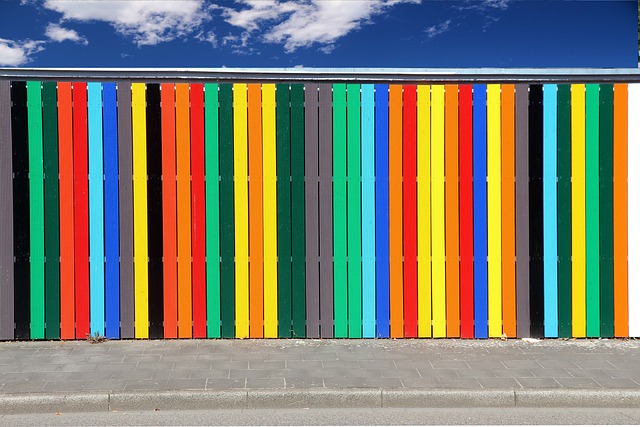
In coastal regions, where harsh weather conditions and salty air pose unique challenges, selecting the right fencing material is paramount. This article explores durable wooden fencing as a superior solution for safeguarding your property against the elements. We delve into the specific challenges of coastal fencing, highlighting the benefits of wood in withstanding corrosion and weathering. By understanding the ideal wood species and installation practices tailored to these areas, homeowners can invest in a robust and aesthetically pleasing fence that stands the test of time.
- Understanding Coastal Fencing Challenges
- Benefits of Durable Wooden Fencing
- Choosing the Right Wood Species
- Installation Considerations for Coastlines
- Maintenance Tips for Longevity
Understanding Coastal Fencing Challenges
Coastal areas present unique challenges for fencing due to harsh weather conditions, including strong winds, salt mist, and frequent rainfall. Traditional fencing materials may not withstand these elements, leading to frequent replacements and increased maintenance costs. The primary concern is ensuring the longevity and durability of the fence while also integrating with the coastal landscape.
Saltwater corrosion is a significant issue, as it can weaken and disintegrate wooden structures over time. For effective coastal fencing, choosing materials that are naturally resistant to corrosion or treating them with protective coatings is essential. Additionally, designing fences that can flex and withstand high winds without compromising stability is crucial for safety and structural integrity.
Benefits of Durable Wooden Fencing
Durable wooden fencing offers numerous advantages for coastal areas, where resilience and longevity are paramount. One of its key benefits is aesthetic appeal; natural wood provides a classic and timeless look that enhances outdoor spaces. This kind of fencing seamlessly blends with coastal landscapes, creating a picturesque setting. Moreover, treated and sealed wooden fences can withstand harsh weather conditions, including salty sea air, strong winds, and extreme temperatures, making them an excellent choice for coastal properties.
Additionally, durable wood fencing is an eco-friendly option. Unlike some synthetic materials, natural wood is renewable and biodegradable, contributing less to environmental impact. It also provides privacy and security without compromising on visual appeal, making it a practical and desirable solution for homeowners seeking both functionality and style along the coast.
Choosing the Right Wood Species
When selecting wood for coastal fencing, choosing the right species is paramount to ensure durability and longevity against harsh weather conditions. Softwoods like cedar and redwood are popular choices due to their natural resistance to rot, decay, and insects. These woods also have a beautiful grain and color that enhance the aesthetic appeal of any fence. However, for areas prone to high wind and salt spray, harder species such as Australian Cypress or tropical hardwoods can offer superior performance.
Each wood species has unique properties, with some being more dense and thus more resistant to moisture absorption. Proper maintenance, including regular sealing and painting, further extends the lifespan of the fence. Understanding the specific challenges posed by your coastal environment is crucial in making an informed decision when selecting the best wood for your fencing project.
Installation Considerations for Coastlines
When installing durable wooden fencing in coastal areas, several unique considerations come into play due to the region’s challenging environmental conditions. One primary concern is the impact of salt water and corrosive air, which can accelerate wood decay. Therefore, choosing treated and weather-resistant timber is essential. Pressure-treated lumber or specialized marine-grade woods are ideal options that have been engineered to withstand these elements.
Another critical aspect is ensuring proper drainage around the fence to prevent moisture buildup against the wooden panels. Adequate spacing between posts and incorporating permeable materials beneath the fencing can help manage water flow, reducing the risk of rot and damage over time. Additionally, the landscape design should incorporate a buffer zone between the ocean or sea and the fence to minimize direct exposure to salty air and potential storm surges.
Maintenance Tips for Longevity
To ensure your durable wooden fence thrives in a coastal environment, regular maintenance is key. Begin by inspecting your fence regularly for any signs of damage, such as splintered boards or loose posts. Addressing issues promptly prevents small problems from escalating into major repairs.
Cleaning is another vital aspect. Use a pressure washer or stiff brush to remove salt residue, algae, and other debris that can weaken the wood. Apply a fresh coat of water-repellent sealer at least once a year to protect against moisture and prolong the fence’s life. Lastly, ensure proper drainage around your fence to prevent water accumulation, which can lead to rot and deterioration.