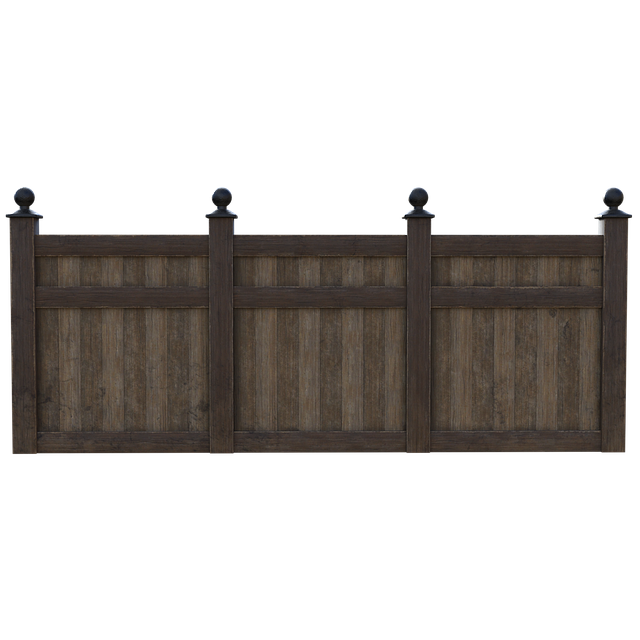
In coastal regions, where harsh weather conditions prevail, selecting the right fencing material is paramount to ensure longevity and visual appeal. This article explores durable wooden fencing as a robust solution for coastal areas, delving into the unique challenges of these environments. We will discuss the advantages of wood over other materials, guide readers through choosing suitable wood types, provide installation tips tailored to coastlines, and offer essential maintenance advice to preserve fences against salt water, strong winds, and extreme temperatures.
- Understanding Coastal Fencing Challenges
- Benefits of Durable Wooden Fencing
- Choosing the Right Wood Types
- Installation Considerations for Coastlines
- Maintenance Tips for Longevity
Understanding Coastal Fencing Challenges
Coastal areas present unique challenges when it comes to fencing due to their harsh environmental conditions. Saltwater, strong winds, and varying temperatures can severely impact traditional fencing materials, making them prone to rot, corrosion, or damage. The constant exposure to moisture and salt air accelerates the deterioration process, leading to frequent replacements and costly maintenance.
These challenges necessitate the use of durable and resilient fencing solutions. Wooden fencing, specifically certain types of treated and enhanced woods, offers a practical and aesthetically pleasing alternative. By understanding the specific coastal environment and selecting the right wood varieties, it is possible to create long-lasting fences that withstand the test of time and harsh conditions, ensuring the beauty and security of coastal properties.
Benefits of Durable Wooden Fencing
Durable wooden fencing offers an array of benefits for coastal areas, where traditional materials might falter. Firstly, wood is a natural and aesthetically pleasing option that seamlessly blends with the surrounding environment, providing both privacy and visual appeal. Unlike synthetic materials, it has a timeless charm that enhances outdoor spaces.
Moreover, durable varieties like treated cedar or redwood are highly resistant to moisture, rot, and pests commonly found in coastal regions. This ensures the fencing remains sturdy and long-lasting, reducing maintenance needs and costs over time. Its flexibility in designs allows for unique patterns and styles, making it an adaptable solution for various coastal landscapes.
Choosing the Right Wood Types
When selecting wood for coastal fencing, understanding the unique challenges posed by the environment is key. Salty air, frequent moisture, and potential exposure to sunlight can significantly impact the durability of materials. Therefore, choosing the right wood type is crucial. Opting for species known for their resistance to decay and insects, such as cedar or redwood, can greatly extend the lifespan of your fence. These woods have natural oils that repel water and inhibit the growth of mold and mildew.
Additionally, considering treated woods like pressure-treated pine or recycled plastic composite materials offers enhanced durability. These options are designed to withstand harsh coastal conditions, ensuring your fencing remains robust against the elements. Proper maintenance, including regular cleaning and sealing, further increases the longevity of your chosen wood type.
Installation Considerations for Coastlines
When installing wooden fencing in coastal areas, several unique considerations come into play. The harsh marine environment can accelerate wood decay and corrosion, so choosing the right materials is paramount. Treated or pressure-coded woods like cedar or teak are ideal as they possess natural resistance to moisture and insects. Additionally, ensure the fence design includes overhangs and slopes to shed water effectively.
Proper drainage is another critical aspect. Install adequate gaps between posts to allow for water runoff and prevent pooling at the base of the fence. Regular inspection and maintenance are also essential to address any signs of damage or rot promptly. Using galvanized or stainless-steel hardware further enhances corrosion resistance, ensuring a longer lifespan for your coastal fencing project.