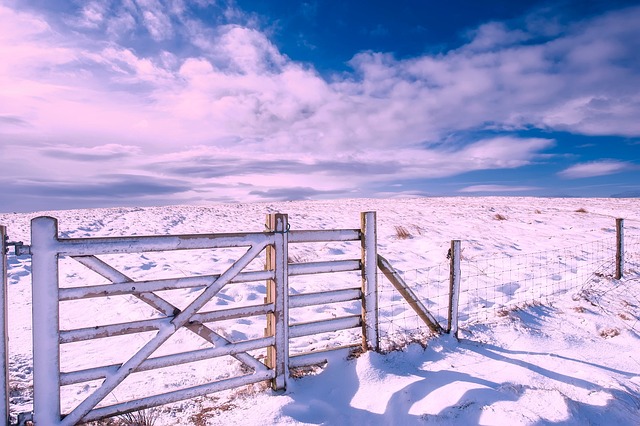
Large properties present unique challenges when it comes to fencing, requiring durable, cost-efficient solutions that can span vast distances. This article guides homeowners through the process of selecting ideal fencing systems tailored to extensive landscapes, focusing on both functionality and affordability. We explore various material options, from traditional to innovative choices, offering long-lasting protection without compromising the budget. Additionally, it delves into installation best practices and maintenance tips to ensure your new fence stands the test of time.
- Understanding Large Property Fencing Needs
- Exploring Cost-Effective Material Options
- Installation Techniques for Longevity and Ease
- Maintaining Your New Fence: Tips and Best Practices
Understanding Large Property Fencing Needs
Fencing a large property presents unique challenges compared to smaller plots. The primary consideration is not just aesthetic appeal but also functionality, security, and maintenance. Each part of the property may require different solutions—from keeping livestock in check to providing privacy for residential areas or securing boundaries with neighbors. Understanding these diverse needs is crucial to choosing effective fencing materials and designs.
Moreover, large properties often face environmental considerations like wind, extreme temperatures, and potential wildlife interactions. The fence should be robust enough to withstand these elements while remaining cost-effective over time. A thoughtful design that balances all these factors will result in a functional and lasting solution for the property owner.
Exploring Cost-Effective Material Options
When considering fencing for large properties, exploring cost-effective material options is a strategic move to balance aesthetics and budget. One popular choice is vinyl fencing, which offers durability and low maintenance at an attractive price point. Vinyl is resistant to rot, rust, and pests, ensuring longevity despite exposure to harsh weather conditions. Its versatility allows for various styles, from traditional picket fences to modern, sleek designs, catering to different aesthetic preferences.
Additionally, wood remains a preferred option due to its natural beauty and affordability. Pressure-treated lumber is particularly suitable for large-scale projects as it’s resistant to decay and requires minimal maintenance. While initial costs may be higher, the longevity of treated wood makes it a smart investment over time. Moreover, recycling old or salvaged materials can significantly reduce expenses while promoting environmental sustainability.
Installation Techniques for Longevity and Ease
When it comes to installing fencing for large properties, employing efficient techniques is key to ensuring longevity and minimizing maintenance. One effective approach is utilizing pre-assembled fence panels. These panels are designed to click into place, reducing installation time and labor costs. This method also allows for greater consistency in the final product, creating a uniform and professional look across your property lines.
Additionally, proper planning and preparation are essential. Surveying the land accurately ensures fences align with property boundaries and natural features like slopes or water bodies. Digging postholes at the right depth and spacing guarantees solid support, preventing issues from soil movement or heavy rainfall. Regular cleaning and inspection further contribute to the fence’s longevity, keeping it in top condition for years to come.
Maintaining Your New Fence: Tips and Best Practices
After installing your new fence, proper maintenance is key to ensuring its longevity and preserving its aesthetic appeal. Regular cleaning is a fundamental aspect; removing dirt, debris, and plant matter prevents buildup that can weaken the fence over time. Use a soft brush or hose to clean wooden fences, while metal fences may require a mild detergent to eliminate stains.
Inspecting your fence for damage or wear and tear should be a monthly routine. Repair any broken rails, posts, or panels promptly to prevent further deterioration. For wooden fences, consider seasonal treatments like sealing or staining to protect against the elements. Keep vegetation at bay—pruning trees and shrubs that overgrow the fence line ensures an unobstructed view and prevents damage from branches scraping against the barrier.