Large properties present unique challenges when it comes to fencing, but fear not! This article is your guide to discovering cost-effective fencing solutions that won’t break the bank without compromising durability. From understanding budget-friendly options to exploring installation techniques and maintenance tips, we delve into everything you need to know to secure your expansive space efficiently and affordably. Whether aiming for privacy, security, or aesthetic appeal, this article has got you covered.
- Understanding Cost-Effective Fencing Options
- Benefits of Fencing for Large Properties
- Materials: Budget-Friendly vs. Durability
- Installation Techniques to Save Costs
- Maintenance Tips for Longevity & Savings
Understanding Cost-Effective Fencing Options
When considering fencing for large properties, cost-effectiveness is a primary concern for many homeowners. It’s important to understand that various fencing options cater to different budgets and needs. From traditional materials like wood and vinyl to modern alternatives such as metal and composite, each material offers unique advantages and disadvantages in terms of durability, maintenance, and price.
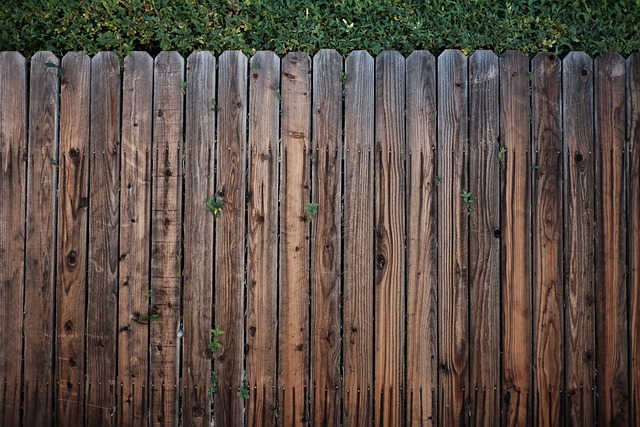
Understanding these variations can help you make an informed decision. For instance, while wood fences are often more affordable initially, they may require regular staining or sealing to prevent rot and damage. On the other hand, vinyl fencing is low-maintenance but can be pricier upfront. Exploring these options and considering factors like local climate, property layout, and desired aesthetic will ensure you choose a cost-effective fencing solution that aligns with your long-term goals.
Benefits of Fencing for Large Properties
Fencing large properties offers numerous advantages that can significantly enhance the overall value and appeal of the land. One of the primary benefits is security; a robust fence acts as a physical barrier, deterring intruders and unwanted animals, providing peace of mind for property owners. This is especially crucial for expansive areas where monitoring every corner might be challenging without adequate barriers.
Additionally, fencing serves as an effective visual boundary, clarifying ownership and establishing a sense of privacy. It can help control access, allowing homeowners to manage who enters their property, whether it’s for maintenance, recreation, or any other purpose. Well-designed fences also contribute to the aesthetic appeal of large properties, providing a structured framework that complements natural landscapes and enhances curb appeal.
Materials: Budget-Friendly vs. Durability
When considering fencing solutions for large properties, one key factor is the material’s ability to balance cost-effectiveness with durability. Budget-friendly options like vinyl or wood can be excellent choices due to their affordability and ease of installation. However, these materials may not offer the same level of longevity as more expensive alternatives like steel or chain-link fencing.
While initial costs for vinyl or wooden fences might be lower, they can require more frequent replacements over time due to weather exposure, rot, or damage from wildlife. In contrast, durable materials like steel and chain-link fencing invest in long-term protection against corrosion, extreme weather conditions, and potential intrusions, ensuring a more consistent barrier for years to come.
Installation Techniques to Save Costs
When installing fencing for large properties, cost-saving techniques can significantly reduce overall expenses. One effective method is utilizing post-hole diggers instead of traditional digging tools. This approach streamlines the process by allowing for quicker and more efficient hole creation, reducing labor costs. Additionally, pre-assembled fence panels offer a time-and-money-saver, as they can be easily installed with minimal on-site assembly required.
Another strategic installation technique involves laying out the fence line using string and stakes first. This mapping method ensures straight lines and reduces waste from mismeasures. Once the ideal path is marked, it becomes easier to install the posts and panels in a systematic, cost-efficient manner, avoiding time-consuming adjustments on the job site.
Maintenance Tips for Longevity & Savings
Regular maintenance is key to extending the life of your fence and ensuring long-term cost savings. Start by inspecting your fence regularly, looking for any signs of damage, rot, or rust. Addressing issues early can prevent small problems from becoming major, costly repairs. Keep an eye out for loose or missing pickets, as these can be easily replaced to maintain the structural integrity of your fence.
When it comes to upkeep, cleaning is essential. Remove any debris, leaves, or plants that may accumulate on or around the fence, as this can cause moisture damage and encourage pest infestation. Use a soft-bristled brush and mild detergent to clean the fence periodically, ensuring you follow manufacturer guidelines for any specific materials. Lastly, consider repainting or sealing your fence every few years to protect it from the elements and maintain its aesthetic appeal.