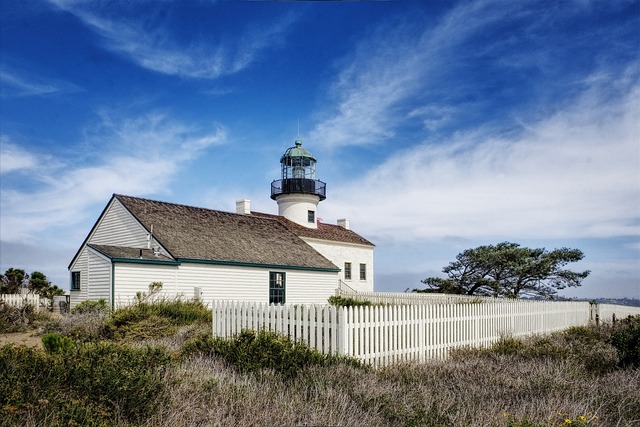
Introduction:
Coastal areas present unique challenges when it comes to fencing, with relentless wind, salt air, and regular exposure to moisture. This article explores durable wooden fencing as a robust solution for these environments. We delve into the specific demands of coastal fencing, highlighting the benefits of using long-lasting wood species. By understanding the right choices and installation techniques, property owners can secure reliable barriers that withstand harsh conditions, enhancing both aesthetic appeal and functional value.
- Understanding Coastal Fencing Challenges
- Benefits of Durable Wooden Fencing
- Choosing the Right Wood Species
- Installation and Maintenance Tips
Understanding Coastal Fencing Challenges
Coastal areas present unique challenges when it comes to fencing due to their harsh environments. Saltwater, strong winds, and extreme temperatures can significantly impact materials over time. Traditional fences often struggle to withstand these conditions, leading to frequent replacements and increased maintenance costs. The key to successful coastal fencing lies in selecting durable materials that can resist corrosion, rot, and other environmental stressors.
Wooden fencing, when chosen wisely, offers a compelling solution. Look for varieties like treated cedar or redwood known for their natural resistance to decay and insects. These options not only enhance the aesthetic appeal of your property but also provide long-lasting protection. Additionally, proper installation techniques, such as elevating the fence off the ground and using corrosion-resistant fasteners, can further extend its lifespan in coastal settings.
Benefits of Durable Wooden Fencing
Durable wooden fencing offers an array of benefits for coastal areas, where traditional materials may falter in the face of salt air and harsh weather conditions. First and foremost, wood’s natural resistance to corrosion makes it an excellent choice for these environments. Unlike metal fences that can rust and deteriorate quickly, wooden barriers can withstand the salty briny air without losing their structural integrity or aesthetic appeal over time. This longevity not only saves homeowners and businesses money in the long run but also minimizes maintenance efforts.
Additionally, wood provides a charming, natural beauty that enhances coastal landscapes. Its warm tones and intricate grain patterns blend seamlessly with surrounding environments, adding character to any property. Furthermore, wooden fences can be easily customized to match individual preferences, allowing for unique designs that complement architectural styles while providing privacy and security without compromising aesthetics.
Choosing the Right Wood Species
When selecting wood for coastal fencing, choosing the right species is paramount to ensure durability and longevity. Tropical or hardwoods like teak, cypress, and redwood are excellent choices due to their natural resistance to rot, pests, and harsh weather conditions. These woods have a higher density, making them stronger and less prone to warping or splitting.
Considered durable and low-maintenance, treated woods such as pressure-treated pine or cedar are also viable options. These woods are infused with preservatives that protect against moisture and insects. However, it’s essential to check the treatment levels for environmental safety and ensure they align with local regulations.
Installation and Maintenance Tips
When installing durable wooden fencing in coastal areas, it’s crucial to ensure proper drainage to prevent water damage. The ground should be prepared with a slightly inclined surface away from structures to facilitate water flow. Consider adding a small slope or a French drain along the fence line to further enhance drainage. Regular cleaning is essential; wash the fence with mild soap and warm water to remove salt and other coastal deposits that can weaken wood over time.
Maintenance also involves inspecting for any signs of rot, cracks, or loose boards, addressing these issues promptly. For coastal areas prone to high winds, ensure all posts are securely anchored into concrete to withstand extreme weather conditions. Apply a water-repellent coating every few years to protect the fence from moisture and prolong its lifespan. Regular maintenance will keep your wooden fence looking sharp and durable for years to come.