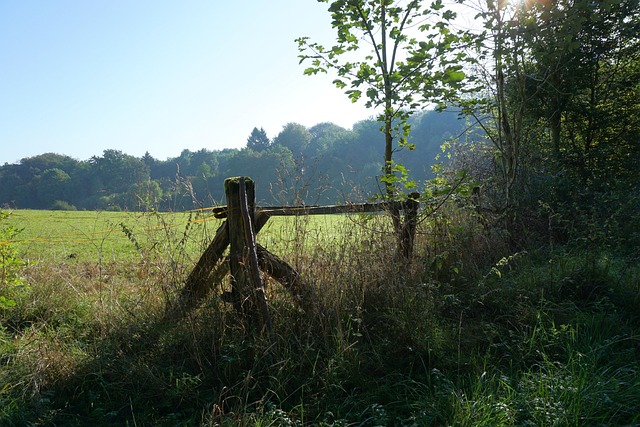
In coastal regions, where harsh weather conditions and salt air pose unique challenges, durable wooden fencing is an attractive and sustainable solution. This article explores the art of safeguarding your property with robust wood fences designed specifically for coastal areas. We delve into understanding the local environment, uncovering the benefits of natural barriers, and providing a comprehensive guide to selecting, installing, and maintaining these long-lasting structures. Discover how the right fence can enhance both functionality and aesthetics along the shoreline.
- Understanding Coastal Conditions for Fencing
- Advantages of Durable Wooden Fencing
- Choosing the Right Wood Species
- Installation Considerations for Coastal Areas
- Maintenance Tips for Longevity
- Enhancing Coastal Landscapes with Wooden Fences
Understanding Coastal Conditions for Fencing
When considering fencing for coastal areas, understanding the unique challenges posed by the environment is paramount. Coastal conditions are characterized by high levels of moisture, salty air, and often harsh weather patterns, including strong winds and frequent storms. These factors can significantly impact the durability of fencing materials. Traditional wooden fences may not hold up well against such conditions, leading to rot, warping, and premature deterioration.
To ensure a durable solution, it’s essential to choose fencing materials that are specifically treated for coastal use. Look for woods naturally resistant to moisture and pests, such as cedar or redwood. Additionally, treating wooden fences with water-repellent coatings or preservatives can greatly enhance their resistance to the harsh coastal environment. This proactive approach guarantees that your fence not only stands strong against the elements but also maintains its aesthetic appeal for years to come.
Advantages of Durable Wooden Fencing
Durable wooden fencing offers numerous advantages for coastal areas, where traditional materials often face the brunt of harsh weather conditions and salty air. One of its key benefits is aesthetics; wood provides a natural, timeless look that enhances the beauty of any coastline. Unlike synthetic materials, it allows for customization in styles, colors, and finishes, allowing homeowners and businesses to express their unique tastes while blending seamlessly with the surrounding environment.
Moreover, durable wooden fencing is an environmentally friendly option. Wood is a renewable resource, making it a sustainable choice for coastal communities concerned about preserving their natural surroundings. Properly treated and maintained, these fences can last for decades, providing long-term protection against erosion, strong winds, and salty seawater, thus offering excellent value for money in the long run.
Choosing the Right Wood Species
When selecting wood for coastal fencing, understanding the local climate is key. Saltwater and high humidity can accelerate wood decay, so choosing a durable species is essential. Redwood and cedar are popular choices due to their natural resistance to rot and insects. These woods have dense structures that repel water, making them ideal for coastal environments.
Consider also exotic options like Ipe or Teak, known for exceptional durability and beauty. These hardwoods have high oil content, further enhancing their resistance to moisture and pests. Each species offers unique characteristics, so evaluating factors like appearance, texture, and maintenance requirements will help determine the best fit for your coastal fencing project.
Installation Considerations for Coastal Areas
When installing wooden fencing in coastal areas, several unique considerations come into play due to the region’s harsh marine environment. First and foremost, it’s crucial to choose materials that can withstand salty air, frequent moisture exposure, and potential wind damage. Treated, durable wood species like cedar or redwood are excellent choices for their natural resistance to rot and insects, ensuring a longer lifespan compared to untreated woods.
Another critical aspect is the placement and design of the fence. Proper drainage is essential to prevent water accumulation behind the fence, which can lead to rot. Consider installing the fence slightly above ground level and allowing space for air circulation to reduce moisture levels. Additionally, using a post-and-rail design with adequate spacing between rails can provide flexibility in case of storm surges or high tides, minimizing structural stress.
Maintenance Tips for Longevity
To ensure your durable wooden fencing stands the test of time, especially in coastal areas where it faces increased exposure to moisture and salt air, regular maintenance is key. Start by cleaning the fence at least twice a year using a pressure washer or soft brush to remove any built-up dirt, algae, or moss. This step prevents stagnation that can weaken the wood over time.
After cleaning, apply a fresh coat of water-repellent sealer or paint designed for exterior use and high humidity. This protective layer shields the wood from moisture absorption and UV rays, retarding decay and fading. Lastly, check for any loose or damaged boards, nails, or hardware, repairing or replacing as needed to maintain structural integrity and prevent further deterioration.
Enhancing Coastal Landscapes with Wooden Fences
Wooden fences have long been a staple in landscaping, but they offer even more benefits when it comes to coastal areas. Beyond providing privacy and security, strategically placed wooden fences can enhance the natural beauty of coastlines. The warm tones of wood blend seamlessly with the surrounding environment, creating a harmonious contrast against the vast ocean or crashing waves. Moreover, these fences can be designed to withstand harsh weather conditions, including strong winds and salty air, making them durable and low-maintenance options for coastal properties.
By incorporating wooden fencing, homeowners and developers can add visual appeal while also providing practical solutions. Fences can delineate property boundaries, protect vulnerable areas from erosion, and offer much-needed shelter for plants and wildlife. With careful consideration of design and material choices, wooden fences can become iconic features that not only safeguard coastal properties but also enrich the overall aesthetic of these beautiful landscapes.