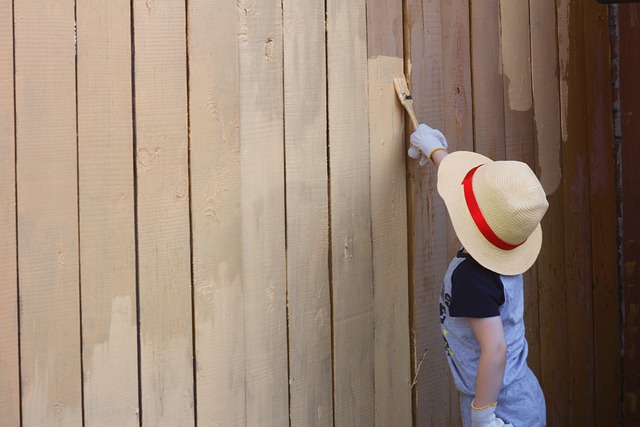
Introducing Fence Staining and Sealing: A Comprehensive Guide to Revitalizing Your Wooden Fences
Wooden fences, a staple in many outdoor spaces, require regular care to maintain their aesthetic appeal and structural integrity. This article provides an extensive guide on fence staining and sealing, offering insights into the benefits and various types of stains, as well as detailed preparation and application instructions. From understanding the importance of sealing for long-lasting protection to exploring diverse color options, we’ve compiled essential tips to help you transform your wooden fences seamlessly.
- Understanding Fence Staining: Benefits and Types
- Preparation: Getting Your Fence Ready for Staining
- Choosing the Right Stain: Color Options and Application
- Sealing for Protection: Longevity and Maintenance Tips
Understanding Fence Staining: Benefits and Types
Preparation: Getting Your Fence Ready for Staining
Before applying any stain or sealer, proper preparation is key to achieving a long-lasting and visually appealing finish. Start by thoroughly cleaning your wooden fence to remove any dirt, dust, mildew, or mold. Use a pressure washer or a garden hose with a nozzle attachment for this task. Pay close attention to areas where the wood has deteriorated or is peeling, as these spots might require extra treatment. Fill in any gaps or cracks using a suitable wood filler, and once dry, sand the surface gently to create a smooth texture.
Make sure the fence is dry completely before proceeding. Check the weather forecast and choose a clear day for staining, avoiding high humidity or rain. If necessary, consider applying a primer to enhance adhesion, especially on older fences or those with a history of poor maintenance. Always follow the manufacturer’s instructions for any products you use, ensuring a safe and effective preparation process.
Choosing the Right Stain: Color Options and Application
When it comes to choosing the right stain, color is a crucial factor. Wooden fences offer a blank canvas for your aesthetic preferences, ranging from natural, earthy tones to vibrant, bold shades. Consider the ambiance you wish to create—a subtle, harmonious blend or a striking, contrasting feature. Dark hues like black or rich browns can add depth and drama, while lighter colors like redwood or soft greys provide a more relaxed, inviting feel.
Application is another key aspect. Some stains are designed for a one-coat application, offering quick, easy coverage. Others require multiple coats for deeper coloration and longer-lasting protection. Read the manufacturer’s instructions to understand the recommended application method and ensure it aligns with your desired outcome and skill level.
Sealing for Protection: Longevity and Maintenance Tips
Sealing your wooden fence is a crucial step in maintaining its beauty and structural integrity. It acts as a protective barrier against the elements, preventing water, UV rays, and extreme temperatures from damaging the wood. Over time, seals wear off, allowing moisture to seep in, which can lead to rot, warping, or peeling. Regular sealing every 1-3 years, depending on exposure, will extend the life of your fence significantly.
When choosing a sealant, opt for high-quality, water-based options that offer both protection and aesthetics. Ensure it’s suitable for exterior use and provides adequate UV resistance. Proper preparation is key; clean and dry the fence before application, fill any cracks or gaps, and sand rough surfaces to ensure optimal adhesion. Maintenance tips include reapplying sealant after heavy rain or when the wood appears dry, and regularly inspecting the fence for signs of damage or wear.