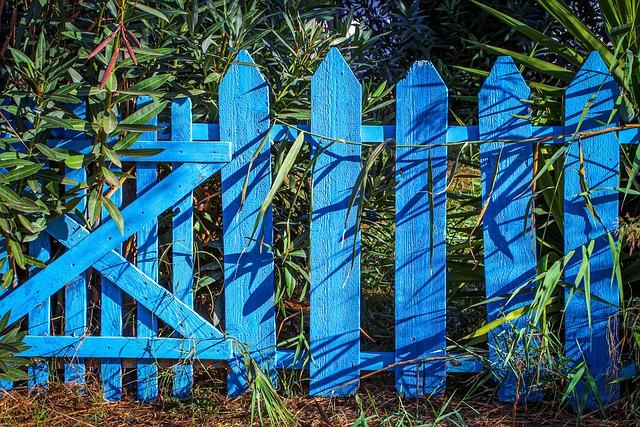
When considering durable wooden fencing for coastal areas, the synergy between robust material selection, thoughtful design, and protective measures becomes paramount. This article delves into the essential aspects of crafting wind-resistant wooden barriers that withstand the relentless forces of the sea. We explore the critical compatibility considerations between salinity and wood types, ensuring the longevity and integrity of coastal fencing. Moreover, we examine the protective treatments vital for long-term durability and discuss installation techniques tailored for such environments. Maintenance strategies are also highlighted to extend the lifespan of these fences, ensuring they remain stalwart sentinels against the elements. Join us as we navigate the complexities of creating resilient wooden fencing that stands the test of time in coastal settings.
- Material Selection for Coastal Fencing Resilience
- Designing Wind-Resistant Wooden Barriers
- Salinity and Wood Compatibility Considerations
- Protective Treatments for Long-Term Durability
- Installation Techniques for Coastal Environments
- Maintenance Strategies to Extend Fence Lifespan
Material Selection for Coastal Fencing Resilience
When selecting materials for durable wooden fencing in coastal areas, it is imperative to consider the harsh environmental conditions that can accelerate decay and wear. The salty sea air, high humidity, and frequent storm surges present unique challenges for any fencing structure. To mitigate these issues, the best practices involve using specially treated wood that has been impregnated with weather-resistant preservatives such as copper naphthenate or alkaline copper quaternary (ACQ). These treatments help to prevent fungal decay and insect infestations that are common in coastal environments.
In addition to treatment, the choice of timber species is crucial. Species like cedar, redwood, and cypress are naturally resistant to rot and pests, making them suitable for coastal applications. Additionally, pressure-treated pine can be a cost-effective option when properly maintained with regular sealants designed to withstand the elements. The design of the fence should also take into account the orientation of the wooden slats to allow for sufficient ventilation and sun exposure, which can further protect the wood from moisture damage. By combining the right materials, treatments, and designs, a wooden fence can provide long-lasting security and privacy for coastal properties while withstanding the rigors of its unique surroundings.
Designing Wind-Resistant Wooden Barriers
When designing wind-resistant wooden barriers for coastal areas, it is imperative to consider the unique environmental conditions that these structures will face. Coastal winds are not merely a nuisance but a driving force that can exert significant pressure on any barrier system. To mitigate this, structural integrity and stability must be prioritized in the design process. Employing robust anchor systems that are deeply embedded into the ground serves to secure the fence against uplift. The choice of wood species also plays a critical role; species known for their density and resilience, such as cedar or redwood, withstand the relentless battering by saltwater and high winds better than others.
Furthermore, the orientation of the wooden slats should be optimized to minimize wind resistance. This can be achieved by designing the fence so that the grain of the wood runs parallel to the expected prevailing winds. Additionally, incorporating breaks or flex points along the barrier allows for some movement during high-wind events, reducing the likelihood of structural failure. Strategic placement of these barriers, considering the topography and prevailing wind patterns, ensures they offer protection without becoming a hazard themselves. Maintenance is also a key factor; regular inspection and treatment with protective coatings can extend the lifespan of the wood and maintain its durability against the harsh coastal environment.
Salinity and Wood Compatibility Considerations
When selecting durable wooden fencing for coastal areas, it is imperative to consider the salinity’s impact on wood composity and longevity. Salts from sea spray can cause significant degradation to untreated timber, leading to premature aging and structural compromise. The corrosive nature of saltwater not only attacks the surface but also penetrates deep into the wood, altering its molecular structure over time. To mitigate these effects, woods that are naturally more resistant to decay, such as cedar, redwood, or cypress, are often preferred. These species possess natural oils and tannins that offer some level of protection against salt-induced deterioration. Additionally, pressure-treated woods, which have been infused with preservative chemicals to resist rot, insects, and other wood-destroying organisms, can also be a viable option for coastal fencing applications.
Another critical aspect in ensuring the longevity of wooden fences in salty environments is the selection of appropriate treatment and maintenance practices. Regular cleaning with fresh water to remove salt deposits, followed by application of protective coatings or sealants, can significantly prolong the lifespan of the wood. These treatments create a barrier that prevents moisture from penetrating the wood, thereby reducing the damage caused by salts and moisture. Furthermore, regular inspections and timely repairs are essential to address any signs of wear or compromise before they escalate into more serious issues. By carefully considering the compatibility of wood with the coastal environment and implementing effective treatment and maintenance strategies, wooden fencing can remain a durable and aesthetically pleasing solution for protecting properties along the coast.
Protective Treatments for Long-Term Durability
When selecting durable wooden fencing for coastal areas, protective treatments are paramount to ensure long-term durability against the harsh elements prevalent in such environments. Exposure to salty air and constant moisture can quickly degrade untreated wood, leading to decay and deterioration. To combat these conditions, fences should be pressure-treated with weather-resistant preservatives. These treatments penetrate deep into the wood grain, providing a barrier against rot, pests, and fungal growth. The most effective options often include alkaline copper quadrant (ACQ) or copper azole (CA) treatments, which are recognized for their ability to withstand the corrosive effects of marine environments.
Furthermore, selecting the right type of wood is crucial. Species such as cedar, redwood, and cypress are naturally resistant to decay and are well-suited for coastal conditions. They contain natural oils and resins that offer additional protection, complementing the effects of preservative treatments. Regular maintenance, including periodic cleaning to remove salt buildup and reapplication of protective stains or sealants every few years, will further enhance the longevity and appearance of the wooden fencing. This proactive approach ensures that the fence not only stands up to the test of time but also maintains its aesthetic appeal in the face of a demanding coastal setting.
Installation Techniques for Coastal Environments
When installing durable wooden fencing in coastal environments, it is imperative to consider the unique challenges posed by the salty air, high humidity, and potential for storm surges. Wooden fences in these areas are subject to rapid degradation due to the corrosive effects of saltwater and exposure to intense sunlight. To mitigate this, installation techniques must prioritize the use of rot-resistant wood species such as cedar, redwood, or cypress, which naturally withstand environmental stressors more effectively than others.
The physical setup should include a well-designed drainage system to prevent water from pooling at the base of the fence, which can lead to rot and decay. Elevating the posts above ground level is also crucial; this can be achieved through the use of concrete footings that are set below the frost line, with galvanized or stainless-steel hardware to resist rust. Additionally, spacing out the wood members to allow for circulation and drying can significantly prolong the lifespan of the fence. Employing a barrier system at the bottom of the fence to protect against high tides and storm surges is another critical aspect of installation in coastal areas. Regular maintenance, including occasional staining or sealing with products formulated for marine environments, will further ensure the longevity and integrity of the wooden fence.
Maintenance Strategies to Extend Fence Lifespan
When installing durable wooden fencing in coastal areas, implementing effective maintenance strategies is crucial to extend its lifespan amidst the harsh conditions presented by the environment. Regular inspection and prompt treatment of any rot or damage are essential practices. Fences in these regions are constantly exposed to salt spray and high humidity levels, which can accelerate decay if left unaddressed. Employing pressure-treated timber, resistant to marine borers and decay, is a proactive measure that can significantly enhance durability. Coatings and sealants designed for maritime use should be applied regularly to protect the wood from moisture and salt. These protective barriers act as a shield against the corrosive elements, preventing deep penetration of water and salts.
Furthermore, the choice of timber species also plays a vital role in the longevity of a wooden fence. Species like cedar, redwood, and cypress are naturally resistant to rot and decay, making them preferable options for coastal environments. Beyond the initial choice of materials, ongoing maintenance includes cleaning algae and salt deposits, which can be detrimental if allowed to accumulate. Employing a soft-bristled brush and a gentle cleaning solution, free of harsh chemicals, will maintain the fence’s appearance without compromising its integrity. Strategic maintenance, including these specific care practices, not only extends the life of the wooden fence but also ensures it remains a sturdy and attractive boundary against the elements for years to come.