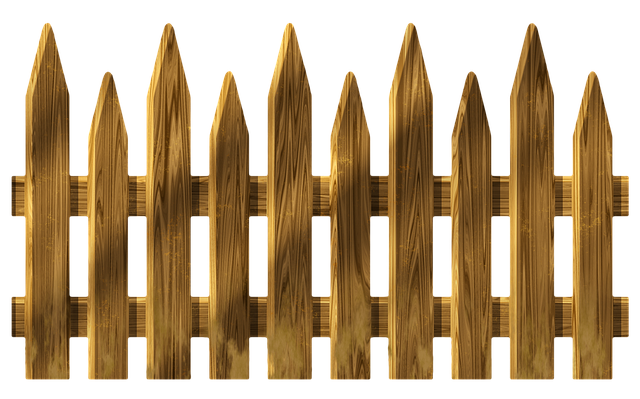
Exploring the robustness of wooden fencing in coastal environments, our article delves into the intricacies of selecting durable materials, designing structures that withstand wind and salt spray, and implementing resilient installation techniques. We will outline essential maintenance strategies to ensure longevity under the harsh conditions of coastal climates. By examining successful case studies, readers will glean insights into how wooden fences can endure and protect, providing a natural and sustainable boundary against the elements. Join us as we explore the intersection of traditional craftsmanship and modern design to safeguard your coastal retreat.
- Material Selection for Coastal Resilience
- Designing for Wind and Salt Spray Tolerance
- Post and Rail Installation Techniques for Durability
- Maintenance Strategies for Longevity in Coastal Conditions
- Case Studies: Successful Wooden Fencing in Coastal Environments
Material Selection for Coastal Resilience
When constructing durable wooden fencing for coastal areas, material selection plays a pivotal role in ensuring the fence’s longevity and resilience against the harsh marine environment. The proximity to the ocean necessitates materials that can withstand salinity, high humidity, windborne debris, and frequent storm surges. Traditional wood options like pressure-treated pine or cedar are commonly used due to their natural resistance to decay and insect infestation; however, they require regular maintenance to protect against the accelerated weathering effects of saltwater exposure.
For enhanced durability and reduced maintenance demands, alternative woods such as tropical hardwoods like ipe or tiger wood are increasingly favored. These dense, hardy woods offer superior resistance to rot, pests, and environmental aggressors. Additionally, innovative treatments and preservatives can further extend the lifespan of wooden fencing by providing additional protection against the corrosive nature of coastal conditions. Composites and weather-resistant woods like redwood or cypress are also viable options, offering a balance between longevity and aesthetic appeal with less frequent upkeep compared to treated softwoods. In all cases, the chosen materials should be sourced responsibly to maintain ecological integrity and support sustainable practices in coastal regions.
Designing for Wind and Salt Spray Tolerance
When designing wooden fencing for coastal areas, it is imperative to account for the unique environmental challenges presented by wind and salt spray. Wooden fences in these environments are subjected to relentless exposure, which can lead to accelerated decay and weakening of the structure. To mitigate the effects of high winds, fencing designs should prioritize robustness and stability. This includes selecting appropriate fence post sizes that can withstand strong gusts and choosing a layout that minimizes wind resistance. The orientation of the boards and the spacing between them should also be considered to ensure they do not act as sails catching the wind.
Salt spray, a byproduct of coastal living, is equally detrimental. It can cause corrosion and deterioration of wood over time, leading to maintenance headaches and reduced lifespan of the fence. To combat this, certain wood species are preferred due to their natural resistance to decay and their ability to tolerate salt-laden environments. Pressure-treated woods impregnated with protective chemicals can further enhance the fence’s resilience against salt. Additionally, coatings and sealants that repel water and prevent salt from penetrating the wood are highly recommended. These protective measures, when combined with strategic design elements tailored to coastal conditions, can significantly extend the longevity and performance of a durable wooden fence.
Post and Rail Installation Techniques for Durability
When installing post and rail fencing in coastal areas, durability is paramount due to the harsh environmental conditions. The proximity to the sea presents unique challenges such as exposure to salty air, high winds, and potential storm surges. To enhance longevity, select heartwood varieties of timber, as they are more resistant to decay than sapwood. Pressure-treated wood is another option that can withstand these conditions effectively. The choice of ground anchors and post settings should consider the likelihood of ground movement due to tidal and soil moisture changes. Posts should be set deeply into the ground, with the top of the concrete footing positioned well below the frost line to prevent uplift. Using galvanized or stainless-steel hardware resistant to corrosion is crucial for maintaining structural integrity over time.
For the rails, a staggered joint design can help reduce stress points and allow for natural wood movement without compromising the fence’s security. The rails should be spaced appropriately to ensure visibility and durability while accommodating the expansion and contraction of the wood due to humidity changes. Regular maintenance, including cleaning salt deposits and applying protective coatings, will further extend the lifespan of the fencing system. Additionally, selecting a design that allows for easy access to the posts for repairs or retreatment is beneficial for long-term care and upkeep in these demanding environments.
Maintenance Strategies for Longevity in Coastal Conditions
Durable wooden fencing in coastal areas requires strategic maintenance to withstand the harsh environmental conditions such as saltwater exposure, high humidity, and strong winds. To ensure longevity, it’s recommended to select species of wood that are naturally resistant to decay and insect attacks, such as cedar or redwood. Regular upkeep includes thorough cleaning with fresh water to remove salt deposits, which can accelerate wood degradation. The use of a high-quality wood preservative, applied every one to two years, helps protect the wood from the corrosive effects of the marine environment. Additionally, painting or staining the fence with products formulated for coastal conditions can provide an extra layer of defense against UV radiation and moisture intrusion. Inspecting and repairing any damage promptly, including loose boards or rusty hardware, is crucial to maintain the structural integrity and aesthetic appeal of the fence. Proper ventilation between fence panels also aids in drying any trapped moisture, reducing the risk of wood rot and extending the life of the fencing system. Regular maintenance, tailored to the specific demands of a coastal setting, is key to preserving the functionality and beauty of wooden fencing over time.
Case Studies: Successful Wooden Fencing in Coastal Environments
In coastal environments, durable wooden fencing must withstand a unique set of challenges including high salinity levels, exposure to salt spray, and the corrosive effects of the marine atmosphere. To illustrate the feasibility of such constructions, several case studies from around the world stand out for their successful implementation of resilient wooden fencing solutions. For instance, in the Pacific Northwest of the United States, a series of cedar plank fences have been installed along the coastline for over fifty years, demonstrating remarkable longevity and structural integrity under harsh conditions. These fences utilize locally sourced, rot-resistant wood varieties such as Western Red Cedar, which are treated with natural water repellents to enhance their durability. Similarly, in regions of Australia’s eastern coast, similar approaches have been adopted, where species like the Blackbutt are favored for their hardiness and natural resistance to pests and decay. These case studies provide valuable insights into the materials and treatments that can effectively protect wooden fencing from the relentless coastal environment, ensuring longevity and maintaining aesthetic appeal. The key takeaway from these examples is the importance of selecting the appropriate wood species, along with the application of protective coatings and regular maintenance, which collectively contribute to the success of wooden fencing in challenging coastal settings.