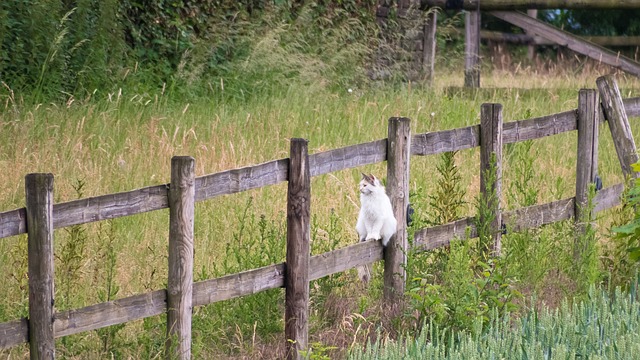
When it comes to shielding properties from the corrosive effects of coastal environments, durable wooden fencing stands as a testament to human ingenuity. This article delves into the art of constructing resilient fences that withstand the relentless onslaught of saltwater and high winds. From meticulously selecting rot-resistant woods to employing protective treatments, we explore the best practices for designing and installing wooden fencing. Furthermore, we provide maintenance strategies tailored to counteract the unique challenges presented by coastal living, ensuring your wooden barrier remains a stalwart guardian against marine erosion and salinity for years to come. Join us as we navigate the intricate process of fortifying your coastal sanctuary with enduring wooden fencing.
- Material Selection: Resistant Woods for Coastal Conditions
- Designing for Durability: Best Practices for Wooden Fencing
- Protective Treatments: Enhancing Longevity of Wooden Fences
- Installation Techniques: Securely Anchoring Wooden Fencing in Coastal Environments
- Maintenance Strategies: Sustaining Wooden Fences Against Marine Erosion and Salinity
Material Selection: Resistant Woods for Coastal Conditions
When selecting materials for durable wooden fencing in coastal areas, it is crucial to consider the environmental factors that contribute to the accelerated decay of timber. The salty air and frequent exposure to moisture from sea breezes can erode standard wood types quickly. To combat these conditions, certain resistant woods are recommended for their durability and resistance to marine-related degradation. Woods such as cedar, redwood, and cypress are naturally resistant to rot and insects due to their high natural oils and resin content. These oils act as a protective layer, shielding the wood from the elements. Additionally, tropical hardwoods like teak and mahogany are prized for their longevity; they have been used historically in areas with harsh coastal conditions. When installing wooden fencing in these environments, proper treatment and maintenance also play a significant role in prolonging the lifespan of the wood. Regular inspections and timely repairs can further protect the fence from the relentless coastal elements, ensuring it remains a sturdy and aesthetically pleasing boundary for years to come.
Designing for Durability: Best Practices for Wooden Fencing
When designing durable wooden fencing for coastal areas, it’s crucial to consider the harsh environmental conditions that accelerate wood decay. Selecting rot-resistant timber species like cedar or redwood is a key decision that can extend the lifespan of the fence. Pressure-treated lumber impregnated with preservatives such as copper naphthenate can also enhance longevity by deterring wood-destroying organisms. The design should incorporate proper ventilation to allow for natural drying of wet materials, reducing moisture buildup that can lead to mold and fungal growth.
Protective coatings are indispensable in the maintenance of wooden fences. Applying water-repellent sealants or stains annually, especially on the side exposed to the elements, helps maintain the wood’s integrity. Galvanized or stainless-steel fasteners should be used to prevent corrosion where components are joined. Additionally, spacing pickets slightly apart can allow wind to pass through, which can help in minimizing the force of salt spray against the wood. Strategic placement of the fence, with its back to the land and the more resilient side facing outwards towards the ocean, can also mitigate damage from salt exposure and weathering. Regular inspection and maintenance are non-negotiable; they should be scheduled according to the specific conditions of the coastal environment, which may necessitate more frequent upkeep compared to inland locations.
Protective Treatments: Enhancing Longevity of Wooden Fences
When installing wooden fencing in coastal areas, the relentless exposure to saltwater and high winds can significantly shorten the lifespan of untreated wood. To mitigate these effects and enhance the longevity of wooden fences, protective treatments are crucial. These treatments typically involve pressure-treating the wood with chemicals to resist decay and insect attacks. Additionally, advanced preservative systems are now available that offer superior protection against the corrosive effects of salt and moisture. Such treatments not only extend the lifespan of the fence but also maintain its aesthetic appeal without the need for frequent maintenance. For optimal performance, it is recommended to choose a treatment with a high level of water repellency and an effective barrier against fungal growth. Regular inspection and timely re-treatment are still necessary to ensure the continued resilience of the fence in the challenging coastal environment. By adhering to these protective measures, wooden fences can provide lasting security and privacy, standing strong amidst the unique conditions presented by coastal living.
Installation Techniques: Securely Anchoring Wooden Fencing in Coastal Environments
When installing durable wooden fencing in coastal areas, it is imperative to employ specialized techniques that account for the unique environmental conditions. The salty air and constant exposure to wind-driven sea spray can quickly degrade standard fencing materials if not properly protected. To mitigate these challenges, fences should be constructed using rot-resistant wood species such as cedar or redwood, which are naturally more resilient to the harsh coastal environment.
The anchoring process is critical for stability and longevity. Fences must be securely anchored deep into the ground to prevent uplift from strong winds and to keep them upright during storms. This is achieved by setting posts in concrete footings that extend below the frost line, ensuring they are firmly embedded in the soil. Additionally, using galvanized or stainless-steel hardware resistant to corrosion is essential for long-term durability. The use of pressure-treated wood for all components further enhances the fence’s ability to withstand the relentless coastal elements, prolonging its lifespan and maintaining aesthetic appeal. Regular maintenance, such as inspection, cleaning, and re-treatment as necessary, complements these installation techniques to provide a robust defense against the degrading effects of the coastal environment.
Maintenance Strategies: Sustaining Wooden Fences Against Marine Erosion and Salinity
To safeguard wooden fencing from the corrosive effects of marine erosion and salinity, implementing robust maintenance strategies is crucial. Regular inspections should be conducted to identify any signs of decay or damage early on. This proactive approach allows for timely repairs, which can prevent minor issues from escalating into major structural failures. Fences in coastal environments are subjected to harsh conditions; saltwater not only weathers the wood but also penetrates it, leading to degradation over time. Therefore, choosing the right wood species is paramount. Certain types of wood, such as cedar and redwood, possess natural resistance to rot and pests, making them more suitable for coastal fencing.
Protective treatments are another key component in maintaining the integrity of wooden fences. Applying protective coatings, such as water-repellent stains or preservatives, can shield the wood from absorbing excessive moisture. These treatments should be applied annually to ensure ongoing protection. Additionally, selecting the appropriate hardware, including galvanized or stainless steel nails and screws, minimizes the risk of corrosion where the wood meets metal fittings. Proper ventilation around the fence is also important to reduce moisture buildup, which can exacerbate decay processes. By combining the use of durable materials with consistent maintenance and protective treatments, wooden fences can endure the unique challenges posed by coastal environments, providing long-lasting security and aesthetic appeal.