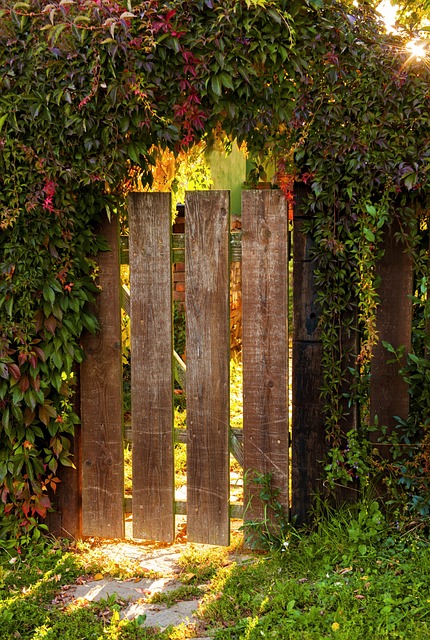
navigating the diverse array of privacy fence maintenance can safeguard your New Bedford home’s boundary integrity. This article delineates a comprehensive guide, from the initial installation best practices to contending with seasonal wear and tear. Learn how to effectively manage wood rot, seal for enduring durability, and combat rust on metal fences. With our tailored tips, your fence will not only stand as a robust barrier but also serve as a testament to your home’s upkeep for years to come.
- Initial Installation Best Practices
- Seasonal Inspections and Maintenance Tasks
- Dealing with Wood Rot and Other Damages
- Cleaning and Sealing for Durability
- Addressing Rust and Corrosion on Metal Fences
Initial Installation Best Practices
When installing a privacy fence in New Bedford, it’s crucial to adhere to best practices to ensure longevity and effectiveness in providing privacy and security. The initial setup of the fence is foundational to its future performance; hence, careful attention must be paid during this phase. Begin by selecting a well-draining spot for your posts to prevent rotting or shifting due to moisture buildup. Ensure that local ordinances are consulted and followed for zoning regulations and property lines. Use high-quality materials designed for outdoor use, as they are more resistant to the elements and wear over time.
Proper preparation of the ground is also essential; clear the area where the fence will stand and remove any debris or vegetation that could interfere with post installation. Dig holes for the posts slightly larger than the base of the posts themselves, allowing for a stable and secure foundation. The depth of these holes should be at least one-third of the post length, embedded firmly in concrete to anchor them against wind and other forces. Additionally, ensure that each post is level to prevent tilting or leaning over time, which can compromise the overall integrity of the fence. When attaching rails and panels, make certain that they are securely fastened and spaced appropriately for optimal support and aesthetic appeal. Regularly inspecting and maintaining your privacy fence after installation will also help to extend its lifespan and maintain its functionality and appearance.
Seasonal Inspections and Maintenance Tasks
Seasonal inspections play a pivotal role in maintaining the integrity and longevity of your privacy fence in New Bedford. As the seasons change, so do the challenges your fence may face. Spring and autumn are optimal times for these checks due to their milder weather, which allows for thorough assessments without the discomfort of extreme temperatures. During these inspections, homeowners should focus on identifying any signs of wear or damage, such as loosening nails, splinters, or broken slats. Check for any vegetation encroaching on the fence that might compromise its structure or appearance. Clearing away debris and overgrowth is essential to prevent rot or pest infestations that can undermine the stability of wooden fences.
In addition to seasonal inspections, a routine maintenance schedule should include tasks like tightening any loose hardware, repairing minor damage immediately to prevent further deterioration, and repainting or restaining the fence as needed. This proactive approach not only extends the lifespan of your privacy fence but also ensures it remains an attractive boundary feature for your New Bedford property. Regular maintenance tasks should also encompass the gates, ensuring their hinges and locks function smoothly and the gate latch is secure. By attending to these details promptly, you can maintain the privacy, security, and aesthetic appeal of your fence throughout the year.
Dealing with Wood Rot and Other Damages
Wood rot and other damages to privacy fences in New Bedford can be a concern for homeowners due to the region’s exposure to varying weather conditions, including high humidity and precipitation. Regular maintenance is key to preventing and addressing these issues effectively. To tackle wood rot, which often occurs at the fence’s lowest points where water collects, start by removing all affected wood and inspecting the area for any moisture sources that need to be addressed, such as poor drainage or gutter issues. Once the source of moisture is mitigated, apply a high-quality wood preservative, ensuring full coverage. For other damages, such as warping or splitting, these can often be repaired without replacing the entire fence. Use matching wood and proper carpentry techniques to make repairs that blend seamlessly with the existing structure. Always follow up by applying a protective stain or paint suited for outdoor use, which not only enhances the appearance but also provides an additional layer of defense against future moisture intrusion and UV damage. Regularly checking and maintaining your privacy fence can extend its lifespan and maintain its integrity, ensuring it remains a secure and attractive boundary feature for your New Bedford home.
Cleaning and Sealing for Durability
Regular cleaning and sealing are pivotal practices for maintaining the longevity and aesthetic appeal of your privacy fence in New Bedford. Cleaning removes organic matter such as algae, mold, and mildew, which can compromise the integrity of the wood or vinyl over time. For wooden fences, a gentle wash with a solution of water and household cleaner or a wood-specific cleaner can restore their natural beauty. It’s important to use a soft-bristled brush to avoid damaging the surface. After cleaning, sealing the fence is crucial to protect it from environmental factors like wind, rain, and sun exposure. A high-quality sealant or stain not only extends the life of your fence but also enhances its resistance to rot and weathering. For vinyl fences, a mild detergent mixed with water can be used for cleaning, followed by a coat of vinyl sealer to maintain its smooth finish and prevent discoloration from UV rays. By incorporating these maintenance steps into your routine, you ensure that your privacy fence continues to stand as a secure and attractive boundary for your New Bedford home.
Addressing Rust and Corrosion on Metal Fences
Regular maintenance is key to preserving the longevity and aesthetic appeal of a privacy fence, particularly when it involves metal components such as gates or support structures. In New Bedford’s maritime climate, where salty sea air prevails, metal fences are susceptible to rust and corrosion. To combat this, homeowners should regularly inspect their metal fences for signs of rust, which can compromise the structural integrity and lead to more significant issues over time. If rust is detected, it’s important to address it promptly. Use a wire brush to remove rust from affected areas, taking care not to damage the surrounding metal. After brushing away the rust, clean the area with soapy water or a mild deoxidizing solution to ensure all traces of corrosion are removed. Once clean, apply a primer specifically designed for metal surfaces to protect the fence from future corrosion. For additional protection and an enhanced appearance, finish with a coat of high-quality paint or rust-inhibitive paint that suits both your design preferences and the material of the fence. It’s advisable to repaint metal fences every two to three years, depending on the level of exposure to environmental factors, to maintain their condition and prolong their lifespan. Regular maintenance not only ensures the privacy and security a fence provides but also contributes to the overall upkeep of your property in New Bedford’s unique environment.