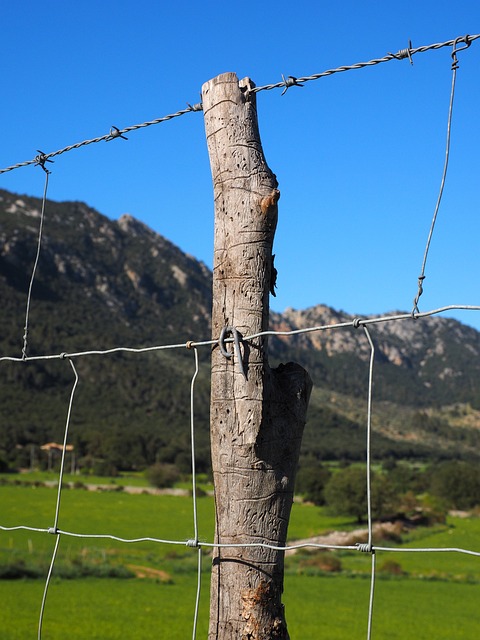
When it comes to securing expansive tracts of land, the quest for cost-effective fencing solutions is paramount. This article delves into the multifaceted aspects of large property fencing, guiding landowners through the process of evaluating their specific security and aesthetic needs. We explore a spectrum of fencing materials, weighing their costs against durability and effectiveness. Installation strategies are scrutinized to ensure maximum savings without compromising on quality. Additionally, we provide insights into the long-term maintenance and budget planning necessary for maintaining your fence’s integrity over time. By the end of this article, readers will be well-equipped to choose a fencing solution that secures their property while remaining mindful of their financial considerations.
- Evaluating Large Property Fencing Needs
- Comparing Cost-Effective Fencing Materials
- Installation Considerations for Maximizing Savings
- Long-Term Maintenance and Budget Planning for Fences
Evaluating Large Property Fencing Needs
When assessing fencing needs for large properties, it’s crucial to consider factors such as the property’s size, terrain, local climate conditions, and intended purpose of the fence. The primary goal could range from privacy and security to containing livestock or defining property boundaries. A thorough evaluation should start with a site survey to understand the layout and any unique challenges like steep gradients or water features that may influence the type of fencing system suitable. For instance, a rural estate might benefit from a high tensile wire fence for its durability and ease of maintenance, while an equestrian property might require a more robust solution like post-and-rail fencing to keep horses safely contained. Similarly, properties with high winds or heavy snowfall may necessitate fences designed to withstand such environmental pressures. The chosen fencing solution must align with both the property’s needs and budget constraints, ensuring that it is not only cost-effective but also sustainable in the long term. It’s also essential to comply with local zoning laws and homeowners association guidelines regarding fence height, material, and placement relative to boundary lines. By carefully evaluating these aspects, property owners can select a fencing solution that offers the desired balance of functionality, security, and aesthetics.
Comparing Cost-Effective Fencing Materials
When evaluating cost-effective fencing solutions for large properties, it’s crucial to consider the balance between initial costs and long-term maintenance requirements. Chain link fencing is a popular choice due to its durability and low maintenance needs; however, its industrial appearance may not be suitable for all settings. Wooden fences offer a more aesthetically pleasing option, with various treatments and styles to choose from, yet they require regular upkeep to maintain their condition and prevent rot or infestation. Aluminum fencing provides a middle ground, combining attractive designs with robustness and minimal upkeep. Vinyl or PVC fences are another alternative that offers the look of wooden fences without the same level of maintenance, as they resist rot, warping, and do not need painting or staining.
In assessing these materials, it’s important to factor in not only the initial installation costs but also the expected lifespan and any necessary repairs or replacements over time. For instance, while chain link fencing may have a lower upfront cost, its lifespan can be extended with minimal expenses, making it a true long-term value. Conversely, more visually appealing materials like wood or aluminum might incur higher initial costs but can still represent a cost-effective solution if their longevity and reduced maintenance needs are taken into account. Ultimately, the choice of fencing material will depend on the specific needs and preferences of the property owner, including budgetary constraints, desired aesthetics, and the level of security required. It’s advisable to obtain detailed quotes from multiple suppliers and consider visiting installation sites to see firsthand how each type of fencing holds up over time.
Installation Considerations for Maximizing Savings
When implementing cost-effective fencing solutions for large properties, installation considerations play a pivotal role in maximizing savings both initially and over time. Firstly, the choice of materials should be informed by a combination of factors including local climate conditions, soil type, and the intended purpose of the fence. For instance, durability and ease of maintenance are paramount for materials that can withstand environmental stressors like high winds, heavy snowfall, or prolonged moisture which could otherwise lead to frequent repairs and higher costs in the long run.
Secondly, the layout and design of the fencing should be planned meticulously. This includes selecting the most cost-effective locations for entry points, minimizing material waste by optimizing measurements, and aligning fence placement to complement natural landscape features when possible. Additionally, opting for a DIY approach or employing local labor can significantly reduce labor costs. However, it’s advisable to balance this with the expertise needed for a secure and durable installation. Engaging with multiple contractors to compare quotes can also yield better pricing and terms. By considering these factors carefully and planning the installation process strategically, large property owners can ensure their fencing solutions are both effective and economical.
Long-Term Maintenance and Budget Planning for Fences
When considering long-term maintenance and budget planning for fencing solutions on large properties, it’s crucial to evaluate the durability, material lifespan, and weather resistance of different fence types. Wooden fences, while aesthetically pleasing, may require regular treatment to withstand environmental factors such as rot or termite infestation, whereas vinyl or metal fencing can offer lower maintenance over time. The choice between materials should be weighed against the property’s size and the specific conditions it faces, including local climate, soil composition, and potential hazards like high winds or heavy snowfall.
A thoughtful budget plan that accounts for both initial installation costs and subsequent maintenance expenses is essential for managing the long-term financial implications of fencing. This includes setting aside funds for routine upkeep like painting, cleaning, or repairing damaged sections, as well as planning for eventual replacements. By allocating a portion of the annual property maintenance budget to fence care, homeowners can ensure that their fencing remains functional and visually appealing throughout its expected lifespan, thereby protecting the property’s boundaries effectively while maintaining a cost-effective approach.