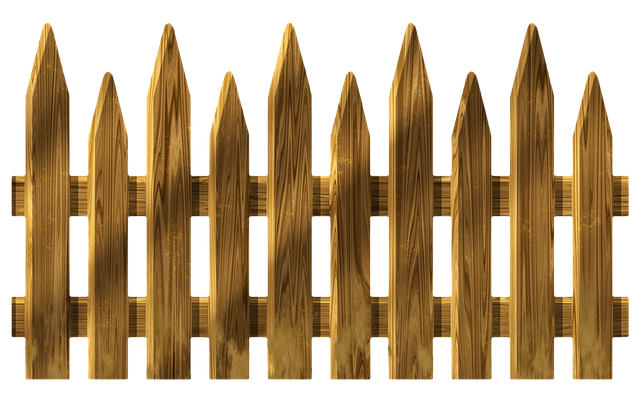
Introduction:
Enhancing the aesthetic appeal and durability of your wooden fence is just a stain away. This comprehensive guide delves into the art of fence staining and sealing, offering a step-by-step approach to transform your outdoor space. From understanding the benefits and exploring diverse stain types to preparing your fence and selecting the perfect color, we provide invaluable insights. Additionally, learn why sealing is crucial for protection and discover maintenance tips ensuring your stained fence remains vibrant and robust for years to come.
- Understanding Fence Staining: Benefits and Types
- Preparing Your Wooden Fence for Staining
- Choosing the Right Stain: Color Options & Application
- Sealing for Protection: Why and How
- Maintenance Tips for Long-Lasting Results
Understanding Fence Staining: Benefits and Types
Fence staining is a popular method to enhance the aesthetics and protect wooden fences. It involves applying a colored sealer or stain to the fence’s surface, which can transform its look while offering various functional advantages. The primary benefits include improved visual appeal, increased durability, and protection against environmental factors like sunlight, rain, and mold growth.
There are several types of fence stains available, each with unique characteristics. Water-based stains are popular for their low odor and ease of application, while oil-based stains offer superior color intensity and longevity. Transparent or clear coats provide minimal color change but excellent protection, whereas solid colors can dramatically alter the fence’s appearance while still offering protective layers. The choice depends on personal preference, the desired aesthetic, and the specific needs of the wooden fence.
Preparing Your Wooden Fence for Staining
Before applying any stain or sealer, preparing your wooden fence is a crucial step in ensuring optimal results. Start by thoroughly cleaning the fence to remove any dirt, dust, or debris. This can be done using a pressure washer or a soft-bristled brush and a mild detergent. Make sure to rinse well and allow the fence to dry completely.
Next, inspect your wooden fence for any damaged or loose boards, splinters, or rot. Repair or replace these areas as needed to create a smooth surface. Filling any gaps with wood putty and sanding until smooth will help the stain adhere better. Additionally, consider applying a primer specifically designed for outdoor use to further enhance the stain’s durability and even out the color.
Choosing the Right Stain: Color Options & Application
When choosing the right stain for your wooden fence, consider the color options available and how they complement your home’s exterior. Stains come in a variety of shades, from natural woods to vibrant hues, each offering a unique aesthetic appeal. Dark stains provide a dramatic contrast, while lighter tones blend seamlessly with surrounding elements. You can also opt for semi-transparent or transparent stains, which allow the wood grain to show through while providing protection.
For application, some stains are designed for brush application, offering precise control over coverage. Others come in ready-to-use bottles or cans, suitable for rolling or spraying, ideal for larger areas. Check the product instructions for recommended surfaces and preparation steps. Ensure you choose a stain that is suitable for wooden fences to achieve long-lasting protection against elements like UV rays, moisture, and fading.
Sealing for Protection: Why and How
Sealing is an essential step in fence staining and maintenance, offering much-needed protection for your wooden fences. Wood, being a natural material, is susceptible to various environmental factors that can cause it to deteriorate over time. Sunlight, moisture, extreme temperatures, and pests can all contribute to the aging and decay of wood. Sealing acts as a protective barrier, shielding the fence from these elements.
The process involves applying a coat (or several) of sealant to the wood’s surface, filling in pores and crevices to prevent moisture ingress. This is crucial as moisture is a primary culprit in wood rot and fading. A good-quality sealant not only preserves the aesthetics of your fence but also extends its lifespan significantly. It creates a non-porous surface, making it easier to clean and maintain, ensuring your fence remains in top condition for years to come.
Maintenance Tips for Long-Lasting Results
Regular maintenance is key to ensuring your fence remains in top condition and your stain stays protected. Start by cleaning your fence at least once a year to remove any dirt, mold, or mildew buildup. Use a pressure washer or a mild detergent and warm water solution for this task. Before reapplying stain, always inspect the wood for any signs of damage or decay. Repair or replace any rotten sections immediately to prevent further deterioration.
After cleaning and repairing, it’s time to re-stain. Apply a fresh coat of semi-transparent or transparent wood stain every 2-3 years, depending on your climate and exposure to elements. Always follow the manufacturer’s instructions for proper application and drying times. To enhance protection, consider sealing your fence with a high-quality waterproof sealer after staining. This will create an extra barrier against moisture, UV rays, and other environmental factors that can cause fading or peeling.