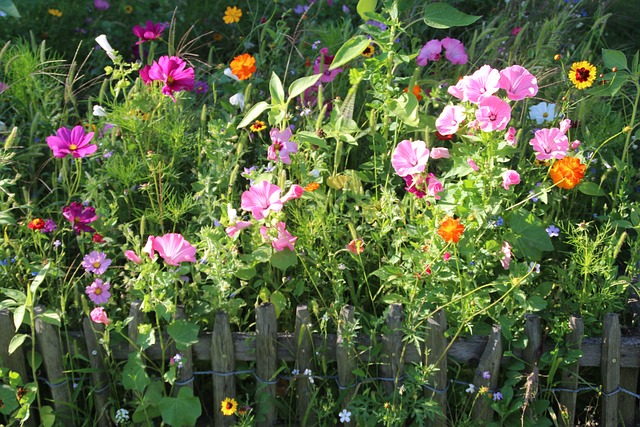
Fencing is not just about defining your outdoor space; it’s an investment in your home’s curb appeal. Fence staining and sealing are essential steps to protect and enhance the beauty of wooden fences, ensuring they stand the test of time. This comprehensive guide delves into the art of fence staining, from understanding its benefits and choosing the perfect color to mastering application techniques and sealing for durability. Discover expert tips for maintenance, ensuring your fence remains a stunning addition to your landscape.
- Understanding Fence Staining: Benefits and Types
- Preparing Your Wooden Fence for Staining
- Choosing the Right Stain: Color and Finish
- Applying Stain: Techniques and Tools
- Sealing for Protection: Importance and Methods
- Maintenance Tips for Longevity and Beauty
Understanding Fence Staining: Benefits and Types
Fence staining is an art that enhances the aesthetic appeal of your wooden fence while offering practical benefits. It involves applying a pigmented sealer or paint to protect and beautify the fence’s surface. The primary advantage is its ability to safeguard wood from weather conditions, UV rays, and fading, ensuring it lasts longer. Staining also adds depth and color, transforming an ordinary fence into a stunning feature that complements your outdoor space.
There are various types of fence staining options available. Some popular choices include semi-transparent stains that offer subtle protection with a hint of color, providing a natural look. Transparent or water-based stains provide better protection while allowing some light to pass through, preserving the wood’s tonal variations. For those seeking a bold statement, solid colors can create a vibrant, new appearance and offer maximum protection. Each type serves different purposes, catering to various preferences and protective needs.
Preparing Your Wooden Fence for Staining
Preparing your wooden fence for staining is an essential step to ensure a long-lasting, vibrant finish. Begin by cleaning the fence thoroughly to remove any dirt, dust, or debris that may hinder adhesion. Use a pressure washer or a stiff brush and mild detergent to scrub the surface gently but effectively. Ensure all loose or peeling paint or wood is sanded down to create a smooth base.
Next, inspect for any cracks, holes, or damaged areas and repair them before staining. Fill in gaps with wooden putty or caulk designed for outdoor use. Once repaired, lightly sand the fixed areas to ensure an even application of stain. This process helps to create a strong bond between the stain and wood, resulting in a more durable and aesthetically pleasing finish.
Choosing the Right Stain: Color and Finish
When it comes to enhancing your wooden fence with stain, one of the most crucial decisions is selecting the right color and finish. Fences can range from natural wood tones to rich, bold shades, each offering a distinct aesthetic appeal. Consider the existing style of your home and landscape—a complementary color scheme will create harmony while a contrasting hue can serve as an eye-catching focal point. For example, warm earth tones blend nicely with rustic settings, while deeper, cooler colors add drama to modern designs.
Finish choices are equally important. A clear coat provides minimal coverage, allowing the wood grain to show through while offering some protection. Semigloss and satin finishes offer better durability and hide surface imperfections but reduce the natural look of the wood. Gloss finishes provide the most protection and reflectivity, making them ideal for areas with high sun exposure or where you want a vibrant, shiny finish.
Applying Stain: Techniques and Tools
Applying stain to your wooden fence involves careful consideration of techniques and tools to achieve a professional finish. Start by cleaning the fence surface thoroughly to remove any dirt, debris, or existing stain. This process ensures better adhesion and an even application. Use a pressure washer for a deep clean, followed by a soft-bristled brush to scrub away any stubborn residue.
Next, choose your staining method. A brush is ideal for detailed work and corners, while a roller is more efficient for larger surfaces. Ensure your tools are suitable for the stain you’ve selected—natural bristle brushes or fabric rollers work best. Apply the stain evenly, working in small sections to maintain control. Follow the manufacturer’s instructions for drying times between coats, typically allowing the first coat to dry completely before adding a second for enhanced color and protection.
Sealing for Protection: Importance and Methods
Sealing plays a pivotal role in protecting wooden fences from the elements, ensuring their longevity and maintaining an aesthetically pleasing appearance. It acts as a barrier against water, UV rays, and other environmental factors that can cause wood to rot, crack, or fade. The primary method involves applying a high-quality sealant specifically designed for outdoor use, which creates a protective coat on the fence’s surface. This process is crucial, especially in regions with harsh climates or frequent rainfall, as it shields the wood from moisture absorption, preventing water damage and potential structural compromise over time.
There are various types of sealants available, each offering different levels of protection and durability. Water-based sealants, for instance, are popular due to their low odor and ease of application, while solvent-based options provide a more robust barrier but require proper ventilation during use. Applying the sealant with a brush, roller, or sprayer ensures even coverage, allowing the sealant to penetrate the wood’s pores for maximum effectiveness. Regular sealing, typically every 1-3 years depending on exposure, is key to preserving the fence’s beauty and structural integrity.
Maintenance Tips for Longevity and Beauty
Regular maintenance is key to keeping your wooden fence looking its best and ensuring a long lifespan. A simple cleaning routine can help remove dirt, mildew, and mold, preserving the natural beauty of the wood. Use a soft brush or cloth and a mild detergent or soap and warm water solution for occasional deep cleaning. Rinse thoroughly with clean water to prevent any residue from damaging the fence.
Staining and sealing should be part of your annual maintenance routine. Reapplication of stain helps protect the wood from fading, cracking, and warping due to weather exposure. Sealing provides an extra layer of protection against moisture, UV rays, and pest damage, ensuring that your fence stays vibrant and attractive for years to come.