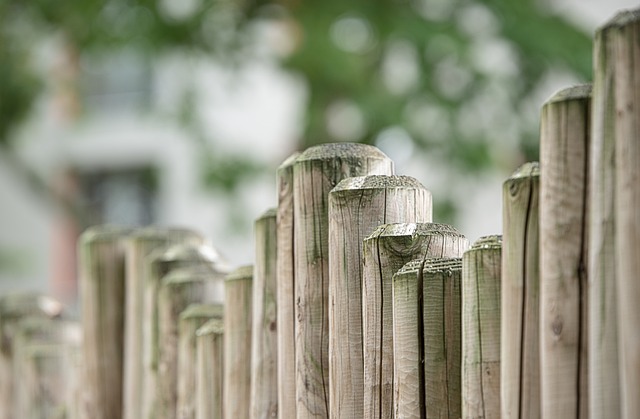
When it comes to safeguarding coastal properties, durable wooden fencing stands as a timeless sentinel against the elements. This article delves into the intricacies of constructing resilient wood fences capable of withstanding the relentless assault of salt, wind, and sun. From the meticulous selection of rot-resistant timber to the strategic design that mitigates the effects of a marine climate, we explore the critical factors that contribute to a wooden fence’s longevity. Installation techniques tailored for coastal conditions and tailored maintenance protocols are also examined to ensure your wooden barrier remains robust and intact. Additionally, we present case studies highlighting successful installations along the coast, offering practical insights drawn from real-world applications. Whether you’re a homeowner or a professional in the field, this article aims to equip you with the knowledge to construct a coastal fence that is not only aesthetically pleasing but also enduring.
- Material Selection for Coastal Wooden Fences
- Design Considerations for Resisting Marine Climate
- Installation Best Practices to Enhance Durability
- Maintenance Strategies for Sustaining Wood Fencing Integrity
- Case Studies: Successful Coastal Wooden Fence Installations
Material Selection for Coastal Wooden Fences
When selecting materials for durable wooden fencing in coastal areas, it’s crucial to consider the environmental factors that contribute to the wood’s rapid degradation. Salty air, high humidity, and frequent exposure to moisture can quickly compromise traditional timber. Therefore, opting for species of wood with natural resistance to decay, such as cedar, redwood, or treated pine, is advisable. These woods possess inherent properties that make them more resilient against the harsh coastal conditions. Additionally, pressure-treated lumber, which has been infused with preservative chemicals, can extend the lifespan of the fence significantly. For enhanced durability and longevity, consider using marine-grade stainless steel hardware to prevent corrosion from the saline environment. Furthermore, selecting the appropriate design, such as lap or shadow-box styles that allow for greater air circulation between the fence boards, can aid in reducing moisture retention and prolong the structure’s lifespan. Regular maintenance, including cleaning and resealing as recommended by manufacturers, is also essential to maintain the integrity of the wooden fencing in coastal settings.
Design Considerations for Resisting Marine Climate
When designing wooden fencing for coastal areas, it is imperative to account for the harsh conditions presented by a marine climate. The relentless exposure to saltwater, high humidity, and wind-driven rain can rapidly degrade standard wood types if not properly protected. To mitigate these effects, selecting durable hardwoods such as cedar, redwood, or cypress is essential due to their natural resistance to decay and rot. These woods also possess tighter grain patterns that resist water penetration.
In addition to the choice of material, the design must incorporate features that promote longevity and minimize maintenance. This includes treating the wood with appropriate preservatives, such as copper naphthenate or alkyd resins, which provide a protective barrier against marine borers and fungal decay. Design elements like overlapping lap joints, proper spacing to allow for ventilation and drying, and stainless steel fasteners and hardware further enhance the fence’s ability to withstand the coastal environment. Strategic placement of these elements within the fencing structure ensures that each component is shielded from direct contact with the soil, a common source of moisture and decay. By carefully considering these design aspects, wooden fences can be constructed to endure the unique challenges of coastal living for many years.
Installation Best Practices to Enhance Durability
When installing durable wooden fencing in coastal areas, adherence to specific best practices is crucial for ensuring longevity and resisting the harsh conditions of the marine environment. Selecting the right species of wood is paramount; options like cedar, redwood, and treated pine are favored due to their natural resistance to rot and decay. These woods, coupled with proper treatment, such as pressure-treatment with weather-resistant preservatives, can significantly enhance durability.
The installation process should begin with a well-prepared site; removing any organic matter that could lead to rot. The footing for the fence posts should extend below the frost line to prevent uplift from both frost heave and saltwater intrusion. Galvanized or stainless steel hardware, including nails, screws, and anchors, is less likely to corrode in the salty air compared to standard options. Additionally, spacing the fence panels slightly apart allows for proper ventilation and reduces moisture accumulation, which can cause wood decay. Regular maintenance, including inspections for wear and tear, timely cleaning, and re-treatment of wood surfaces, will further protect the fencing against the elements. By following these installation best practices, wooden fences in coastal areas can offer long-lasting performance and maintain their aesthetic appeal over time.
Maintenance Strategies for Sustaining Wood Fencing Integrity
To maintain the integrity of wooden fencing in coastal areas, a proactive approach to maintenance is crucial. Regular inspections should be conducted at least twice a year, or more frequently if exposed to particularly harsh conditions. During these inspections, homeowners should check for signs of weathering, such as warping, splitting, or discoloration. Promptly treating any damage is essential to prevent further deterioration. Fencing in these regions is often subjected to salty air and moisture, which can lead to accelerated decay if not managed properly.
For long-term durability, a protective coating should be applied annually. This coating acts as a barrier against the corrosive effects of salt and sun. When applying any treatment or finish, it is important to opt for products specifically designed for use in coastal environments. These treatments typically contain natural resins and zinc naphthenate, which help to repel water and protect against wood-destroying organisms. Additionally, choosing the right type of wood is vital; species such as cedar, redwood, and cypress are naturally resistant to decay and are well-suited for coastal fencing. Regular cleaning with a mild detergent and freshwater rinse can also help maintain the fencing’s appearance and performance. By adhering to these maintenance strategies, wooden fences can stand up to the challenging coastal environment, offering security and beauty for years to come.
Case Studies: Successful Coastal Wooden Fence Installations
In coastal regions, where salty air and high winds are prevalent, durable wooden fencing must withstand unique environmental challenges. Successful case studies of such installations often highlight the use of specially treated wood and innovative design to combat these conditions. For instance, a notable project on the Oregon coast utilized marine-grade stainless steel hardware and wood that had been pressure-treated with an advanced waterborne preservative. This combination provided resistance against the corrosive effects of sea air and moisture. The fencing’s success was further bolstered by its design; wide boards were selected for their superior durability, while strategic overhangs allowed water to run off rather than pool and seep into the wood. In another instance, a coastal property in North Carolina integrated a geotextile barrier system beneath the fence to prevent soil erosion from storm surges, complementing the longevity of the wooden slats treated with a UV-resistant coating. These examples demonstrate that through thoughtful selection of materials and design considerations tailored to coastal environments, wooden fencing can be an effective and aesthetically pleasing solution for property boundary demarcation and protection against harsh weather conditions.