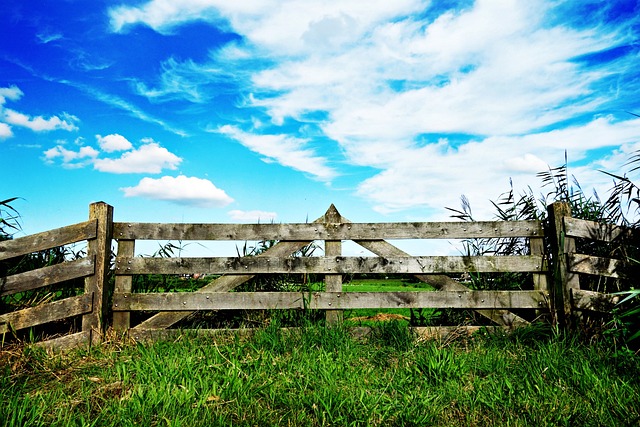
When it comes to demarcating coastal properties, the fusion of aesthetics, functionality, and resilience against the elements is paramount. This article delves into the artistry and science behind crafting durable wooden fencing that stands the test of time in marine environments. We explore the optimal wood types for withstanding coastal conditions, the critical role of design in enhancing longevity, and the protective treatments that shield these structures from the corrosive effects of salt and wind. Furthermore, we discuss how to integrate such fencing into the local landscape without disturbing coastal ecosystems. Additionally, we provide practical maintenance tips to ensure your fence remains a stalwart sentinel for years to come. Join us as we navigate the intricacies of creating enduring fencing solutions that are both beautiful and robust.
- Material Selection for Resistant Coastal Fencing
- Best Wood Types for Sustaining Marine Climates
- Designing for Durability: Coastal Fencing Strategies
- Protective Treatments and Maintenance Tips
- Landscape Integration with Coastal Ecosystems
- Installation Techniques for Enduring Fences in Coastal Areas
Material Selection for Resistant Coastal Fencing
When constructing wooden fences for coastal environments, material selection is paramount due to the harsh conditions prevalent in such areas. The proximity to saltwater and high humidity can rapidly degrade typical wood types, necessitating the use of more resilient materials. Pressure-treated woods, such as cedar or redwood, are preferred for their natural resistance to decay and pests. These treated woods have been subjected to a process that forces preservative deep into the grain, safeguarding against the corrosive effects of saline environments. Additionally, composites and exotic hardwoods like teak or mahogany are also excellent choices due to their inherent durability and resistance to rot and weathering. These materials not only withstand the environmental stressors but also maintain an aesthetically pleasing appearance over time, ensuring a sustainable and visually appealing boundary for coastal properties.
Furthermore, the design and structure of the fencing should complement the chosen material. For instance, incorporating wider planks or thicker posts can enhance the fence’s stability against high winds and salt spray. Galvanized or stainless-steel fasteners and hardware are essential to prevent rust and corrosion where wood components are joined. In addition to selecting the right materials, regular maintenance, such as cleaning salt deposits and applying protective sealants periodically, will further extend the lifespan of a coastal wooden fence. This proactive approach to upkeep ensures that the fencing not only endures but also continues to provide privacy and security for coastal residences.
Best Wood Types for Sustaining Marine Climates
When selecting wood types for fencing in coastal areas, it is crucial to consider the species that exhibit high resistance to the corrosive effects of saltwater and the relentless exposure to windborne salts. Among the most durable options are CCA-treated lumber, which stands for Copper-Chromium-Arsenate. Although the use of arsenic has raised environmental concerns, when properly maintained, it offers exceptional longevity in marine environments. Alternative treatments like alkaline copper quadrant (ACQ) or micronized copper azole (MCA) are environmentally friendly alternatives that provide similar levels of protection.
In addition to treated lumber, certain untreated wood species naturally possess qualities that make them suitable for coastal fencing. For instance, Western Red Cedar and Redwood are both prized for their natural resistance to decay and rot, partly due to their high tannin content. These woods also have a naturally weather-resistant property that helps them withstand the harsh conditions of coastal climates. Another resilient choice is Ironwood, which is exceptionally dense and durable, making it less prone to moisture damage. Lastly, tropical hardwoods like Ipe and Teak are known for their exceptional durability and resistance to insects and decay, further enhancing their suitability for long-lasting fencing in coastal regions.
Designing for Durability: Coastal Fencing Strategies
When designing wooden fencing for coastal areas, durability is paramount due to the harsh environmental conditions. The salty air and frequent exposure to windborne salt from the sea can rapidly degrade standard wood types. To mitigate these challenges, selecting rot-resistant wood species such as cedar, redwood, or tropical hardwoods like ipe is essential. These materials are naturally resistant to decay and insect attack, providing a longer lifespan for the fence. Additionally, the design should incorporate proper ventilation to allow salt and moisture to dissipate, preventing long-term exposure that could lead to deterioration.
Furthermore, the construction technique plays a crucial role in ensuring the longevity of coastal fencing. Employing stainless-steel or galvanized hardware resists corrosion from the saltwater environment. Treating wood with protective coatings, such as penetrating water repellents and preservatives, can enhance resistance to weathering. Design features like slats set slightly above the ground on posts treated with a durable sealant prevent direct contact with moisture and debris. Strategic overhangs and orientation of boards can also minimize the accumulation of salt and water, further extending the lifespan of the fence. These considerations tailor the fencing to withstand the unique conditions of coastal environments, ensuring both functionality and aesthetic appeal for years to come.
Protective Treatments and Maintenance Tips
Durable wooden fencing in coastal areas requires careful selection of materials and protective treatments to withstand the harsh environmental conditions. The salty, corrosive air and frequent exposure to moisture from sea breezes can rapidly degrade untreated wood. To safeguard against these elements, it’s advisable to use species of wood that are naturally resistant to decay, such as cedar or redwood. These types of wood have natural oils that provide some level of protection. Additionally, pressure-treating the wood with a waterborne preservative that is labeled for use in locations near the coast can further enhance its lifespan.
Regular maintenance is crucial to maintaining the integrity and appearance of wooden fencing in coastal settings. Annual inspections should be conducted to identify and address any issues early, such as checking for loose boards, nail pops, or signs of wood rot. A routine cleaning with a soft-bristle brush and a mixture of oxygenated bleach and water can help remove salt buildup without damaging the wood. Protective coatings, such as stains, sealants, or paints formulated for marine environments, should be applied every one to three years, depending on exposure levels. These coatings serve as a protective barrier against moisture and UV rays, which can cause fading and deterioration over time. Attention to these maintenance tips will ensure that the wooden fence remains a sturdy and attractive boundary for many years.
Landscape Integration with Coastal Ecosystems
Durable wooden fencing in coastal areas presents a unique set of challenges and opportunities, particularly when it comes to landscape integration with existing coastal ecosystems. The choice of timber species and treatment methods plays a crucial role in determining the sustainability and environmental impact of these fencing solutions. Selecting rot-resistant woods such as cedar or redwood, which are naturally resistant to the harsh conditions prevalent along coastlines, is essential for ensuring longevity without compromising the integrity of the coastal habitat.
The integration of wooden fencing within coastal landscapes must be done thoughtfully to preserve biodiversity and ecological balance. Designing fences with wider spacing between pickets can allow for adequate light and air flow, reducing the impact on native vegetation and promoting the health of the surrounding ecosystem. Additionally, the use of eco-friendly treatments, such as those that are non-toxic and biodegradable, minimizes potential contamination of the soil and waterways. By considering the natural processes and species of the coastal area, wooden fencing can be harmoniously integrated into the landscape, providing both aesthetic appeal and functional boundary while respecting and preserving the unique character of the coastal environment.
Installation Techniques for Enduring Fences in Coastal Areas
When installing durable wooden fencing in coastal areas, it is imperative to adopt techniques that account for the region’s unique environmental challenges. The salinity and humidity levels are higher in such environments, which can lead to rapid degradation of standard wood types if not properly protected. To mitigate this, select species of wood known for their natural resistance to decay, such as cedar or redwood, or opt for treated lumber that resists rot and insect infestations. Proper site preparation is also crucial; ensure the ground is well-drained and the soil pH is slightly acidic, which can further protect the wood from decomposing fungi.
During installation, employ galvanized or stainless steel hardware to prevent corrosion. Fence posts should be set deeply into the ground to provide a stable foundation; this helps to keep the wood above the frost line and reduces exposure to moisture. Additionally, creating a barrier between the soil and the wood, such as using a physical or chemical barrier, can limit direct contact with moist earth. Spacing the boards correctly to allow for ventilation and choosing designs that promote air circulation will also contribute to the longevity of the fence. Regular maintenance, including inspections and timely treatments, is essential to ensure the wooden fence stands up to the harsh coastal conditions and remains a sturdy barrier for years to come.